


Table of Contents
- Understanding Fixed-Income Investments
- Benefits of Fixed-Income Investments
- Types of Fixed-Income Investments
- Strategies for Incorporating Fixed-Income Investments
- Risks and Considerations
- Final Thoughts
Building wealth doesn’t have to involve taking on high levels of risk. For investors who prioritize stability and consistent returns, fixed-income investments offer a time-tested path to sustainable wealth growth. These low-risk financial products are designed to generate steady income while safeguarding your capital. In this guide, we’ll examine practical ways to make the most of fixed-income options and help you understand why they’re such a core element of a well-balanced portfolio. For a deeper dive into specific options, see GIC rates and terms explained.
Fixed-income investments have long served as a foundation for cautious investors, retirees, and anyone seeking to reduce portfolio volatility. By allocating funds to instruments that provide regular interest payments or dividends, you can achieve greater peace of mind while confidently working toward your financial goals. As we explore the merits of fixed-income assets, you’ll see how they can supplement your income, preserve your wealth, and offer valuable diversification.
With the right combination of fixed-income options, investors can avoid many pitfalls that plague higher-risk strategies. Examples include market downturns, overexposure to equities, and the erosion of purchasing power over time. Learning which products align with your risk tolerance, time horizon, and income needs is a crucial step toward achieving financial security.
Beyond their inherent stability, many fixed-income solutions offer additional tax benefits, customization options, and flexible terms. By implementing thoughtful approaches such as laddering maturities, diversifying issuers, and evaluating inflation protection, you can make your capital work harder in both bullish and bearish markets.
Understanding Fixed-Income Investments
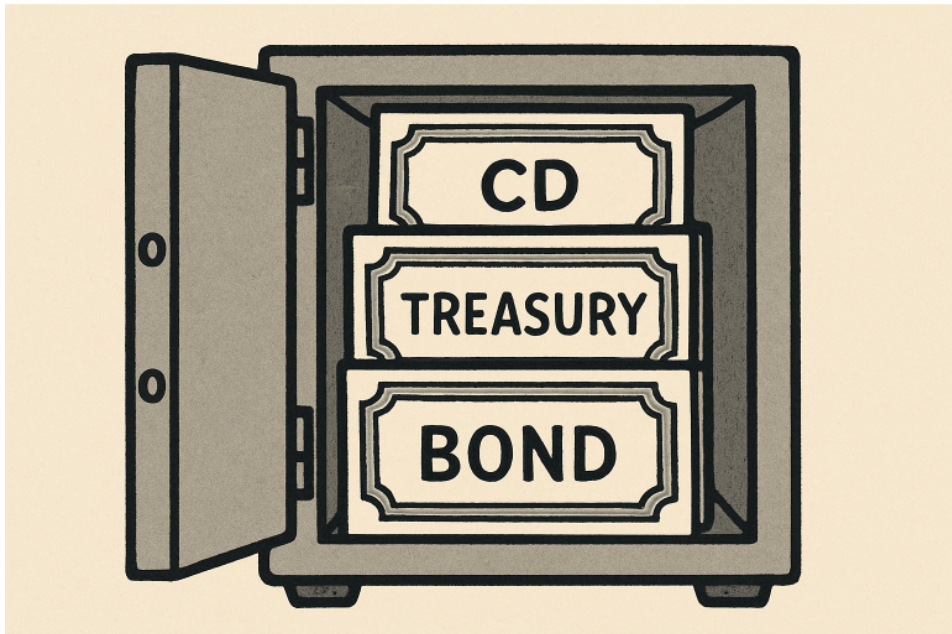
Fixed-income investments refer to a class of assets that pay regular interest or dividends, usually with a predetermined schedule. These can include everything from government and municipal bonds, to certificates of deposit (CDs), to insurance products like annuities. The primary appeal lies in their predictable return; they’re structured to deliver a steady flow of income, which can be especially useful for individuals nearing retirement or those looking to stabilize more volatile portfolios. According to Investopedia, fixed-income investments are also widely used to preserve capital over the long term.
Benefits of Fixed-Income Investments
- Stability: Fixed-income products are designed to provide predictable, regular returns. This stability is ideal for risk-averse investors who don’t want to contend with the unpredictable swings of the stock market.
- Income Generation: These investments yield periodic payments that can supplement other sources of income. This is particularly valuable for retirees or anyone seeking a reliable income stream.
- Diversification: Incorporating fixed-income assets into your portfolio helps buffer losses from riskier investments, thereby reducing overall risk and volatility.
Types of Fixed-Income Investments
An effective strategy relies on choosing the right combination of fixed-income types. Here are some of the core options:
1. Certificates of Deposit (CDs)
CDs are offered by banks, providing a guaranteed interest rate for a set period. They’re insured by the FDIC up to certain limits, making them one of the safest fixed-income choices, especially for conservative investors saving for short- or medium-term goals.
2. Treasury Securities
Issued by the U.S. government, Treasury bills, notes, and bonds offer a virtually risk-free guarantee on interest and principal. Treasury Inflation-Protected Securities (TIPS) adjust their principal in response to inflation, helping to safeguard real purchasing power as the cost of living rises.
3. Municipal Bonds
Municipal bonds are debt securities issued by states, cities, or counties to fund public projects. Many “munis” are tax-exempt at the federal, state, and local levels, making them particularly attractive to investors in higher tax brackets.
4. Corporate Bonds
Issued by companies to finance expansion or operations, corporate bonds offer higher yields than Treasuries but with greater risk. Investment-grade corporate bonds from well-established companies are the safest within this category, while “junk” bonds offer higher returns in exchange for increased risk.
5. Fixed Annuities
Fixed annuities are insurance contracts that provide a guaranteed income stream for a specified period or for life, in exchange for an upfront lump-sum payment. They provide not only consistent income but also tax-deferred growth and principal protection, making them popular among retirees.
Strategies for Incorporating Fixed-Income Investments
Optimize your fixed-income allocations by following these proven strategies:
- Diversify: Avoid concentrating your funds in just one type of fixed-income product. Spread investments across government, municipal, and corporate offerings to reduce exposure to any single issuer type.
- Laddering: Construct a bond or CD ladder by staggering maturity dates. This ensures regular access to your capital and allows you to reinvest at potentially higher rates if interest rates rise.
- Assess Credit Quality: Favor high-quality, investment-grade issuers to lower credit risk. Always review ratings and financial stability before committing capital to corporate bonds or municipal securities.
Risks and Considerations
Even the safest fixed-income investments carry some risk. Keep these factors in mind:
- Interest Rate Risk: If market interest rates rise, the value of existing fixed-income securities can decrease. Shorter maturities or floating-rate products can help mitigate this risk.
- Inflation Risk: Fixed payments from these investments may not keep pace with inflation, reducing purchasing power over time. Consider TIPS or other inflation-protected securities if this is a concern.
- Credit Risk: There is always a possibility that the issuer may default on payments. Government and investment-grade bonds carry the least risk, while high-yield corporate bonds are riskier in this respect.
Final Thoughts
Fixed-income investments are vital for anyone seeking stable returns, reliable income, and lower risk in their financial strategy. By understanding the range of options available and implementing sound strategies such as diversification and laddering, you can build a portfolio that weathers market fluctuations and supports your long-term wealth goals.