


Whether it’s spring cleaning tips, peanut butter recipes, or honoring Mr. Spock, March 2026 is full of opportunities to use content to promote your company and its products.
The aim of content marketing is to attract, engage, and retain customers. It works on the principle of reciprocity. Provide valuable content to shoppers, and they may repay with purchases.
What follows are five content marketing ideas your shop can use in March 2026.
Spring Renewal

Spring invites small changes that make everyday life feel new again.
March marks the slow turn toward spring in the Northern Hemisphere. Days grow longer. The weather turns warmer. And we shift our focus.
Many of us begin thinking about small changes that lead to larger improvements.
For some, that means spring cleaning. For others, it means reorganizing, replacing worn items, or restarting habits that faded over winter.
This seasonal mindset can lead to useful, product-centered content. Shoppers browse for ideas and try to perform practical tasks.
Thus the best content could help folks complete a project or learn a skill that also aligns with what the store sells. A home goods retailer can explain how to refresh a kitchen or bedroom. A clothing merchant can address updating a wardrobe. A fitness brand might outline a plan for restarting workouts.
When it helps a potential customer accomplish something meaningful, a business builds trust. That trust often turns into future sales.
National Peanut Butter Lover’s Day
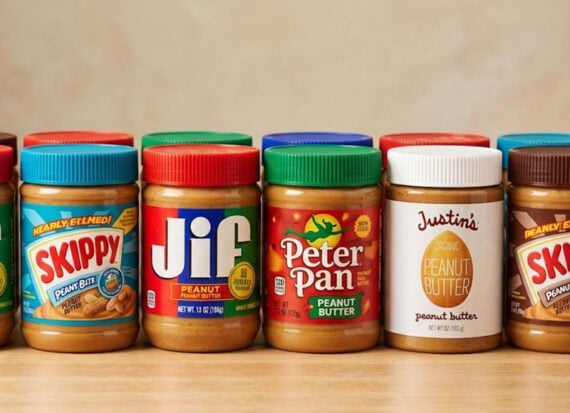
Peanut butter has many fans.
March 1, 2026, is National Peanut Butter Lover’s Day in the United States. The pseudo-holiday began appearing on calendars in the 1990s.
Food-focused content can perform well in search, social, and, presumably, AI
With this in mind, peanut butter-related articles will likely work best for merchants selling kitchenware, specialty foods, and fitness products such as protein powders and supplements.
For these merchants, the content ideas are straightforward.
- “5 Peanut Butter Desserts to Make in Under 30 Minutes”
- “Homemade Peanut Butter That’s Better Than Store-Bought”
- “Easy Snacks for Peanut Butter Lovers”
Peanut butter has a broad cultural appeal. Creative content marketers in other niches can likely find ways to participate.
For example, a retailer specializing in science and math kits might publish educational or curiosity-driven content such as:
- “Who Invented Peanut Butter?”
- “Peanut Butter and the World’s Fair”
- “10 Shocking Peanut Butter Patents”
The goal is to create timely, interesting content that aligns with the spirit of the day and introduces shoppers to the store.
Live Long and Prosper Day

Star Trek’s Mr. Spock, played by Leonard Nimoy, famously coined the phrase “live long and prosper.”
March 26, 2026, is Live Long and Prosper Day, a nod to Leonard Nimoy and his iconic portrayal of Mr. Spock in Star Trek, The Original Series.
“Live long and prosper” was a series phrase, but it has long become shorthand for science fiction’s hopeful view of the future and humanity’s relationship with technology.
Science fiction remains one of the most popular and influential genres in popular culture. Its ideas shape how people imagine innovation, design, and progress. That influence creates an opportunity for ecommerce content marketers to frame products through a science-fiction lens without needing licensed merchandise.
Content can focus on everyday products that feel futuristic, minimalist, or inspired by speculative design. Electronics, home office gear, tools, apparel, books, hobby supplies, and gift items can all fit this theme.
The age of AI means almost everything feels like science fiction.
Make Up Your Own Holiday Day
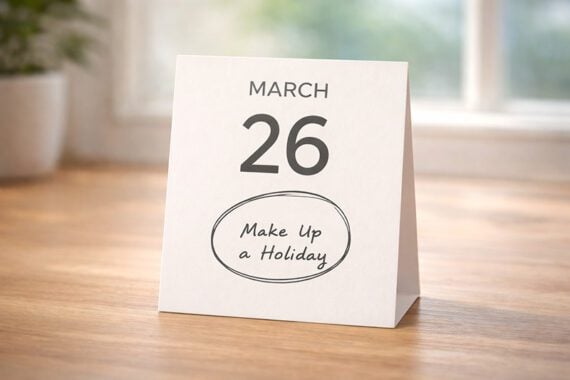
Create a holiday that fits your business.
If Star Trek’s Mr. Spock is not a great fit, March 26 is also Make Up Your Own Holiday Day, a lighthearted invitation to invent a celebration from scratch.
For ecommerce marketers, the date offers a chance to blend entertaining content with promotions.
Unlike regular holidays, this do-it-yourself occasion can focus on a product category, a use case, or a habit.
An online liquor store, for example, might introduce “Buy Your Spouse a Bottle Day.” A coffee merchant could launch “Perfect Cup of Coffee Day.” An office supply retailer might create “Organize Your Desk Day.” Or finally, a game shop could celebrate “Family Game Night Day.”
Each of those should include products. It’s a permission to have fun while driving sales.
America at 250

Content from U.S. merchants in 2026 can focus on craftsmanship and domestically-made products.
In 2026, the United States will celebrate its 250th year as a nation. It’s an opportunity for U.S. merchants to focus on product-centered storytelling.
One angle is to emphasize goods made in the United States or rooted in long-standing domestic craftsmanship. These products naturally connect to themes of durability, heritage, and continuity without requiring overt patriotic messaging.
Shoppers learn where products come from, how they are made, and why that matters today. Example article titles might include:
- “15 Heritage Brands That Have Stood the Test of Time”
- “American Craftsmanship in Everyday Products”
- “5 American-Made Products Worth Paying For”
These pieces can become part of a continuing “America 250” series that expands through spring and into summer, gradually building a library of heritage-focused content tied to merchandise.