


More than 61% of the nation is now in a drought, the highest percentage in nearly four years, according to the most recent U.S. Drought Monitor.
In places like central North Carolina, officials have imposed water restrictions, which affect over 600,000 residents in Wake County.
Low water levels at Falls Lake and a lack of rainfall have created limits on outdoor irrigation, just in time for spring planting. As a result, both residents and pro gardeners have had to adjust how and when they water their plants.
“Where a large, water-hungry lawn used to be a source of family pride, homeowners are now much more focused on whether something is sustainable, how much it will cost in the future and how well it will withstand difficult conditions,” says Tammy Sons, founder and CEO at TN Nursery in Nashville.
Whether you’re a homeowner in Wake County or any other part of the country under a drought warning, you need to rethink your yard and explore more water-efficient options to keep it looking green—especially if you’re thinking of selling.
How water limits affect American landscaping
Localized droughts and water restrictions are starting to expose a bigger issue—most traditional lawns were never designed to function without consistent irrigation.
When watering is limited, those systems break down quickly.
Outdoor water use makes up nearly 30% of household consumption in the U.S., according to the U.S. Environmental Protection Agency, and a large portion of that goes to lawns. Once that water is restricted, homeowners are forced to rethink what actually works.
“What we’re seeing now is a shift toward landscapes that can hold up on their own: drought-tolerant grasses, clover blends, and regionally adapted seed mixes that rely more on rainfall than irrigation systems,” explains Jim Fucetola, horticulture expert and president at Earthwise Seed in Paterson, NJ.


The new era of “xeriscaping”
Xeriscaping refers to using plants that thrive in your local climate without needing supplemental irrigation.
While this concept has been around for a while, the perception of it is changing.
“It’s no longer just gravel or desert-style landscaping. More often, it’s a practical middle ground—keeping the green lawn but making smarter plant choices that don’t depend on constant watering,” Fucetola says.
Today, xeriscaping might look like fine fescue lawns that require less water and mowing, or clover mixed into turf for natural nitrogen and better drought tolerance. It may also involve native grasses that establish deeper root systems over time.
“For most homeowners, this isn’t an all-or-nothing shift. It’s gradual. They might change sections of their yard, experiment with lower-input options, and discover what holds up,” adds Fucetola.
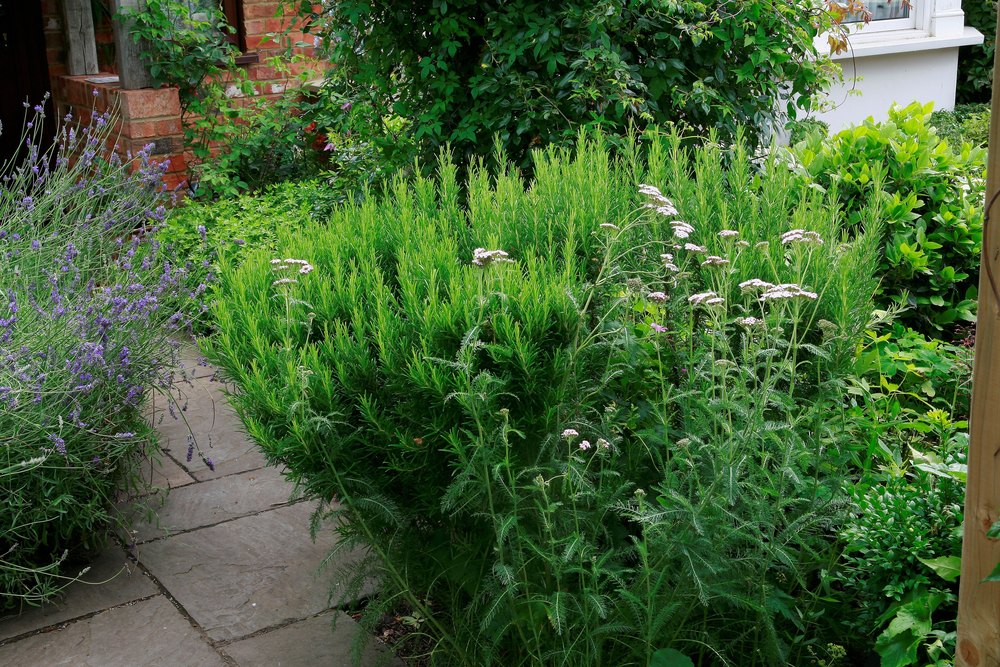
If you’re looking to increase curb appeal, one way to achieve this is to invest in drought-tolerant plants that thrive without too much water. Some of the most common include lavender, rosemary, salvia, agave and juniper.
Ways to maintain property value while adhering to strict water usage bans
Fortunately, you can preserve your home’s value without overrelying on a lot of water.
The first step is to keep your landscaping design neat and structured.
“A wild native meadow reads as neglect to a buyer. The same plants are arranged around defined beds, clean borders, and a focal point read as intentional and low-maintenance, which is actually a selling point right now,” says Kyle Turner, founder and CEO of Pro Active Pest Control in Rancho Cordova, CA.
The essentials include efficient drip irrigation for any plants that do need water, good mulching to retain soil moisture, and grouping plants by water needs.
“They can make any landscape more drought-resilient without sacrificing how it looks from the street,” Turner explains.
If you’re unsure of which native, low-water plants to incorporate, Sons recommends several popular choices right now, including coneflowers, black-eyed Susans, switchgrass, and local ferns.
“These options are increasingly popular because they can get through periods of no rain and at the same time, offer a variety of textures, shades, and changing looks throughout the year,” she says.