


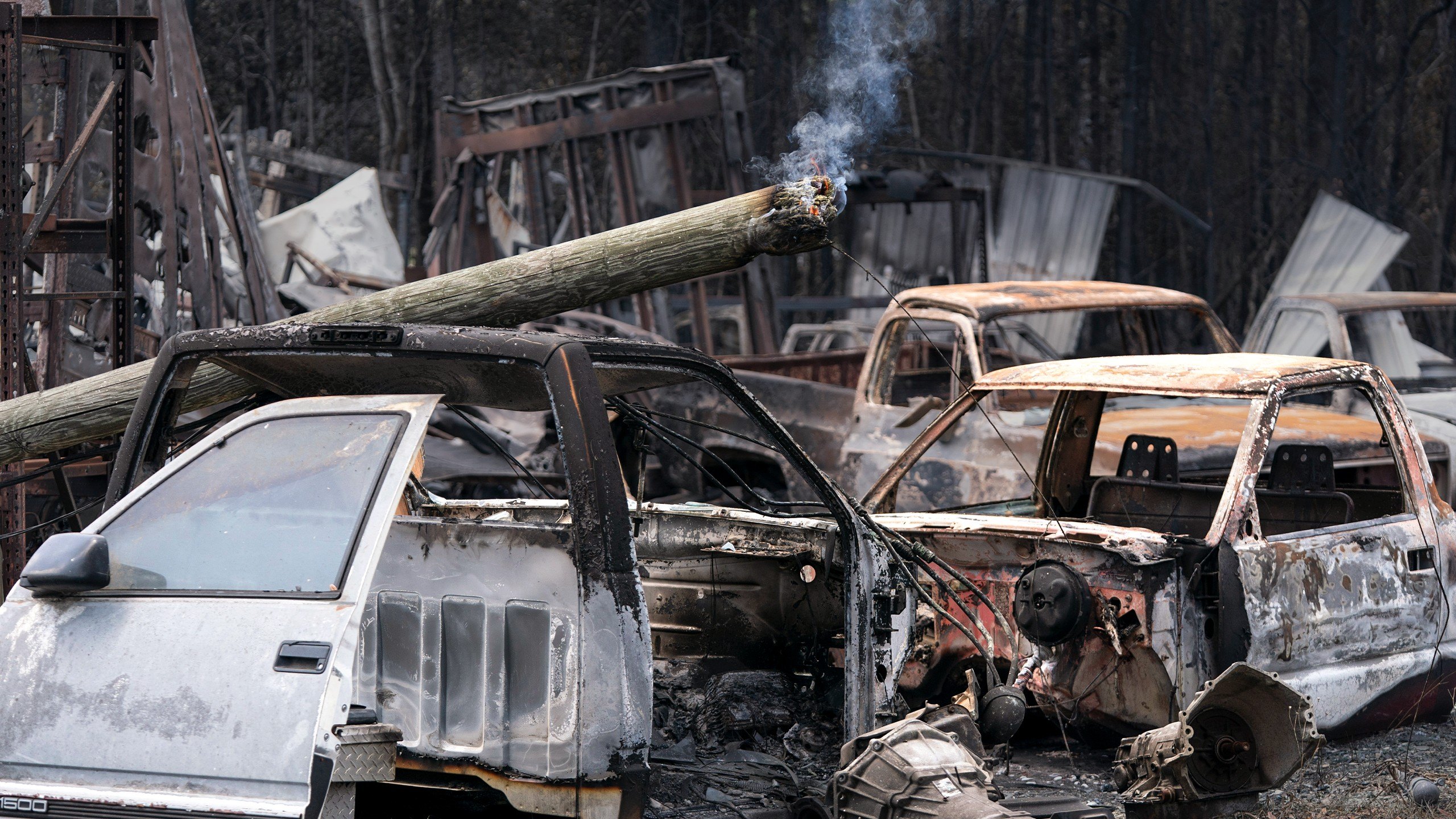
The current drought crisis in the U.S. is poised to take an enormous toll on homeowners.
More than 60% of the country is facing drought conditions, “just 2 percentage points shy of the most widespread drought this century, which occurred in 2012,” according to the Washington Post.
Paul Pastelok, AccuWeather senior meteorologist and long-range forecaster, said the states most affected include Colorado, Utah, Georgia, Florida, and southern Texas.
“The Southeast Region from Virginia to Alabama is near 100% abnormally dry or greater currently. This region is nearly 50% in extreme drought conditions,” he explained. “Across Texas, the worst of the drought is from Northeast Texas to the lower Valley. The state is 21.23% in extreme drought. Northwest Colorado to eastern Utah is the worst area for drought in the West, ranging from severe to exceptional drought.”
Just like other catastrophic weather events, drought conditions can have an enormous impact on property value and maintenance expenses—and homeowners need to be prepared.
First the drought, then the wildfires
Drought conditions can trigger or amplify wildfires, and the AccuWeather 2026 U.S. Wildfire Forecast predicts “5.5 [million to] 8 million acres of land to burn across the country this year, compared to the historical average of 7 million acres.”
“Larger and more destructive wildfires are likely this year, with the interior Northwest and the Rockies regions facing the highest risk,” the report said.
Currently, Pastelok said that fires are occurring in North Carolina, Georgia, Florida, Mississippi, Alabama, New Mexico, Colorado, South Dakota, and Nebraska, with the majority occurring in north-central Florida and southern Georgia due to the drought.
He also noted that the increase of people moving out of cities and into suburban wildlands to build their houses is only putting them in the path of fires.
“The increase in drought coverage, the increase in dry fuels, continues to put suburban areas at risk every year,” he said.
Drought’s direct impact on property value
As Bankrate insurance expert Shannon Martin explained to Realtor.com®, environmental risk is becoming part of the home valuation conversation. In areas with increasing wildfire and drought exposure, a home’s condition and resilience can influence both buyer demand and long-term value.
“It raises the cost of keeping a home in good condition,” she said.
Martin added that, unlike sudden disasters such as tornadoes or fires, drought and extreme heat cause slow, compounding damage to homes through cracked siding and stressed foundations.
“However, wear and tear is specifically excluded from homeowners insurance, leaving homeowners footing hefty repair bills,” she said.
There is also the fact that today’s buyers are a lot more aware: They’re not just looking at the house itself, they’re also thinking about the larger picture, and drought conditions can change the conversation fairly quickly, Steve Sexton, CEO of Sexton Advisory Group, said.
“If you’re in a water-stressed area, or somewhere that’s dealing with recurring wildfires, that absolutely starts to weigh on value. It doesn’t mean homes won’t sell, but it can affect how aggressively people are willing to buy in,” Sexton said.
Cliff Auerswald, president of All Reverse Mortgage, said the insurance issue is also concerning. Carriers are raising premiums, often not renewing policies, or adding exclusions in drought- and fire-prone areas, he said.
“Senior homeowners on fixed income are absorbing large premium increases with no way to offset the cost. And most people do not realize that standard homeowners insurance does not cover foundation damage caused by drought-related soil movement,” he said.
Another factor coming into play is that appraisers are beginning to treat dead landscaping, cracks in driveways and sidewalks, and visible foundation movement as value adjustments rather than mere cosmetic issues, said Cody Schuiteboer, president and CEO of mortgage company Best Interest Financial.
Foundation shifts and the rising costs of water utilities
Schuiteboer said that most of the regions experiencing drought have expansive clay soils, which contract when dried and swell when moistened.
This causes concrete slab cracking, separates bricks from framing, and causes plumbing problems.
“A typical foundation repair on a slab foundation house ranges from $8,000 to $25,000 and, in serious cases, may exceed $40,000. My consistent recommendation to all borrowers in clay soil regions is simple: Put a $200 soaker hose around the foundation perimeter during drought season, by far the most affordable preventive measure available,” he said.
Another risk is wildfire in the suburbs, which is no longer a Western-only concern, as Georgia just demonstrated, said Brandi Richard Thompson, founder of the emergency preparedness website Operation Prepare and a former Federal Emergency Management Agency official.
“Most homes ignite from embers, not flames. Defensible space within 5 feet of the structure, ember-resistant vents, and cleared gutters are the highest-impact protective actions,” she said.
Finally, water and utility expenses spike during drought, she said, because tiered rate structures escalate sharply.
“Top tiers can run three to five times the base rate. Homeowners maintaining conventional landscaping during drought can see bills double or triple,” she added.
Homeowner ‘drought-proofing’ checklist
Maintain a firebreak around the property
Courtney Klosterman, a home insights expert at Hippo Insurance, said that within 0 to 5 feet of the home, homeowners can create an ember-resistant area by removing all flammable materials and regularly trimming branches.
For the zone 5 to 30 feet from the home, keep grass trimmed, prune tree branches to be at least 10 feet apart, and space plants to prevent fire from jumping easily between them.
For the zone 30 to 100 feet from the home, remove dead trees and vegetation, thin out dense shrubs, and maintain a firebreak where possible, she said.
Review fire insurance coverage
Klosterman said that all standard homeowners insurance policies generally include fire and wildfire protection, but it’s important to ensure your coverage limits are sufficient.
Maintain and upgrade your roof for fire protection
Regularly inspect your roof for damage and make necessary repairs to prevent embers from entering your home during a wildfire, she added.
Consider fire-resistant siding and windows
Materials like fiber cement, stucco, and brick provide better fire protection than wood or vinyl siding. Tempered glass windows are also more heat- and impact-resistant than standard glass, helping prevent breakage from intense heat or flying debris, according to Klosterman.
Choose plants and flowers wisely this spring
Dean Bennett, residential contractor and president of Dean Bennett Design & Construction, said that while not everyone can immediately convert to a fully xeriscaped yard, you may be able to choose more drought- and heat-resistant plants and flowers this spring.
Have a plan
Operation Prepare’s Richard Thompson also recommended knowing where your main water shutoff is, storing 1 gallon per person per day for at least three days, knowing your utility’s drought stage, and signing up for local emergency alerts.
“Drought is a slow disaster, which is what makes it dangerous. There is no single dramatic moment to force action. The homeowners who fare well treat drought-proofing as ongoing maintenance, not crisis response,” she said.
Get real estate news in your inbox