

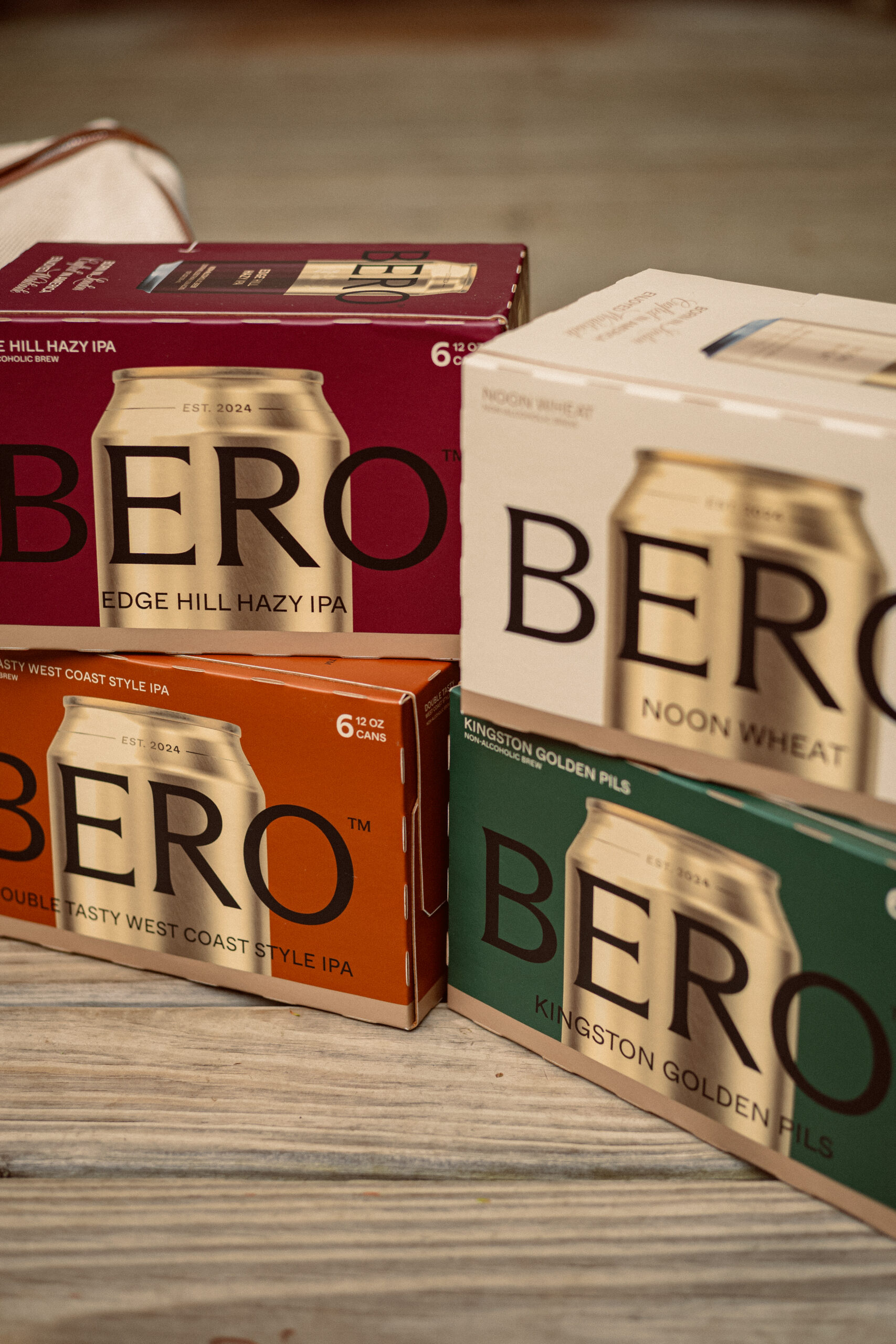
Non-alcoholic beer brand Bero has grown its distribution presence, expanding into retailers including Walmart, Kroger and Publix, and it has developed an internal portal to support such B2B processes, according to Declan Duggan, vice president of sales.
The brand, which launched in late 2024, also sells through Target, H.E.B., Albertsons and other retailers. Part of the next step to its distribution strategy is entering corner stores, according to Duggan.
“You walk down to the corner store, we want to be in that,” Duggan told Digital Commerce 360. “We want to be available because that’s ultimately — there’s, what, 125,000 of those doors out there? They’re pretty unique and independent, but that’s where we all shop. If you live in a major city, we all go to those probably once a day. So, we have to find a way to get into those. And I know other digital networks are popping up to connect the dots with some of these smaller independents now as well.”
He said he expects the coming year to be a break-out period for Bero because until the past few months, it didn’t have national distribution in the U.S.
How Bero is widening its distribution reach
Duggan said Bero has developed an internal portal for distributors “that is very AI-driven.” The brand has based it on Anthropic’s Claude 4.6, he noted.
“We basically allow our distributors to have access to that to go in and place purchase orders for products,” Duggan said. “It also has a digital asset management system in there so that we can upload the latest imagery of the products. If they want to put those [images] on to some of these other tools, then at least we know what’s up there is the latest and greatest and approved. And so they have access to pull those down and use them as they see fit or to submit for a chain’s RFP or something — and they have all the information they need right there.”
In announcing its distribution into Walmart, Kroger and Publix, Bero said its growing shelf presence “reflects a broader shift in drinking culture as consumers increasingly seek elevated non-alcoholic options.”
And as part of the expansion, Bero will work with those retailers on in-store sampling, retail media initiatives and creator partnerships, according to the brand.
Duggan said that because Bero is in its second year selling at Target, the brand now has to “show up and spend some money and drive that consumer for them too.”
He described the tool-sharing aspect as a big part of that. Bero is trying to give retailers — just like distributors — access to the brand’s latest imagery. And for the same reasons, he noted. That helps to drive credibility as a brand, he added.
Growing Bero sales to bars, restaurants
Duggan said another big channel for the brand includes bars and restaurants.
He cited data that about one-third of bar and restaurant visitors are now alcohol-free in the U.K. In addition, about two-thirds of adults said non-drinkers influence venue selection among their groups.
“When I see something like that in a channel like bars and restaurants, I think: How does that apply to the digital world as well?” Duggan said. “Because they’re still making decisions like that. … All it’s telling me is that the non-alc beer drinker has become more important to every retailer. You have to expand that portfolio, you have to have choices for them, or they’re just going somewhere else, digitally or otherwise.”
He explained that bars and restaurants are “a big target” for Bero because it’s where consumers try out the brand’s drinks. Duggan specified that those outings are when consumers are more likely to try a new product. They’re having fun and may associate Bero with a good time, he added. That could lead them to pick up a pack of the Brand’s flavors, whether online or offline.
Bero is focusing on how it can “open up the day” for consumers, Duggan said. The brand wants them not just to replace traditional beer with non-alcoholic substitutes but to enjoy them in different situations, like lunch, he said.
Sign up
Sign up for a complimentary subscription to Digital Commerce 360 B2B News. It covers technology and business trends in the growing B2B ecommerce industry. Follow us on LinkedIn, X (formerly Twitter), Facebook and YouTube.