


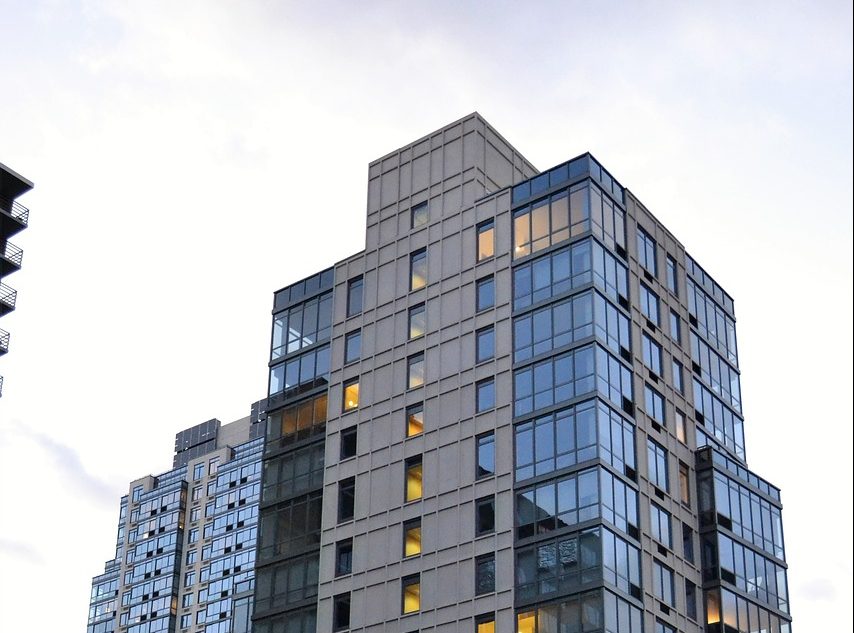
When evaluating real estate, the age-old mantra “location, location, location” usually dominates the conversation. While proximity to top schools, vibrant city centers, and scenic views certainly drives demand, it is far from the only factor shaping a property’s final appraisal. Modern homebuyers are increasingly focused on functional value, looking closely at structural integrity, mechanical efficiency, and turnkey convenience. Behind the aesthetic finishes of quartz countertops and fresh paint lie fundamental home systems that dictate market value, sway buyer negotiations, and safeguard equity. Here are three hidden mechanical and structural elements that truly dictate a home’s value on today’s market.
Major Systems as Bargaining Chips: The AC Standard
When buyers tour a home, mechanical systems are no longer viewed as secondary bonuses; they are treated as non-negotiable baselines. In warm climates and increasingly temperate zones alike, effective climate control is a fundamental expectation that heavily impacts how a property is valued. Homes lacking functional cooling face immediate price reductions or lengthy concessions during escrow, as buyers budget heavily for post-closing mechanical installations.
The widespread adoption of cooling systems across the country highlights just how essential this feature has become for modern property value. According to Global Market Insights, almost 88% of American households now utilize air conditioning. Because this feature is so ubiquitous, listings without operational cooling systems stand out for all the wrong reasons. A home lacking AC is often viewed by buyers as an incomplete project rather than a move-in-ready asset, giving shoppers leverage to make significantly lower offers.
Protecting Equity Above: Roof Health and Longevity
While interior features grab attention in listing photos, the roof remains the primary guard against structural degradation. Appraisers, inspectors, and insurance underwriters scrutinize the roof above almost all other exterior features. A well-maintained roof instills confidence in buyers, assuring them that they won’t face sudden water damage or emergency repair bills shortly after closing. Conversely, an aging roof can derail a deal late in the transaction process or prevent a buyer from securing standard property insurance altogether.
Material choices and expected remaining lifespans play a crucial role in these financial evaluations. According to the National Association of Home Builders (NAHB), traditional asphalt shingles typically last between 20 and 30 years. Real estate agents often leverage a roof within this healthy window as a major selling point. When a roof nears or exceeds that 20-to-30-year mark, buyers routinely request significant closing credits or demand a complete replacement before agreeing to sign, directly cutting into the seller’s net profit.
Comprehensive Comfort: Central Cooling vs. Basic Units
Not all cooling systems are created equal in the eyes of an appraiser or home buyer. While window units and portable systems fulfill an immediate need, central HVAC systems provide integrated value that boosts a home’s overall market standing. Central air provides consistent temperature regulation, better filtration, and seamless integration with smart home technology, making it a key differentiator when comparing similar properties in the same neighborhood.
The preference for whole-home solutions is clearly reflected in national housing data. According to the US Department of Energy, 88% of residences across the United States feature air conditioning, with 66% relying on central systems to cool the entire property. Properties equipped with central air command higher listing prices compared to those relying on localized or portable units. Upgrading from window units to a central setup is often one of the highest-ROI mechanical renovations a homeowner can make before listing, as it directly aligns the property with standard buyer expectations.
Location will always draw buyers to a specific neighborhood, but the hidden infrastructure beneath the surface determines what they are willing to pay. Essential elements like reliable roof protection and centralized climate control keep property market values strong and deals moving smoothly through escrow. By keeping major mechanical systems up to date and tracking structural lifespans, homeowners can protect their equity, streamline future sales, and ensure their property stands out in any market.