

For too many women, getting answers about their health requires navigating a system where concerns are dismissed, patterns overlooked and getting the right answers can take years.
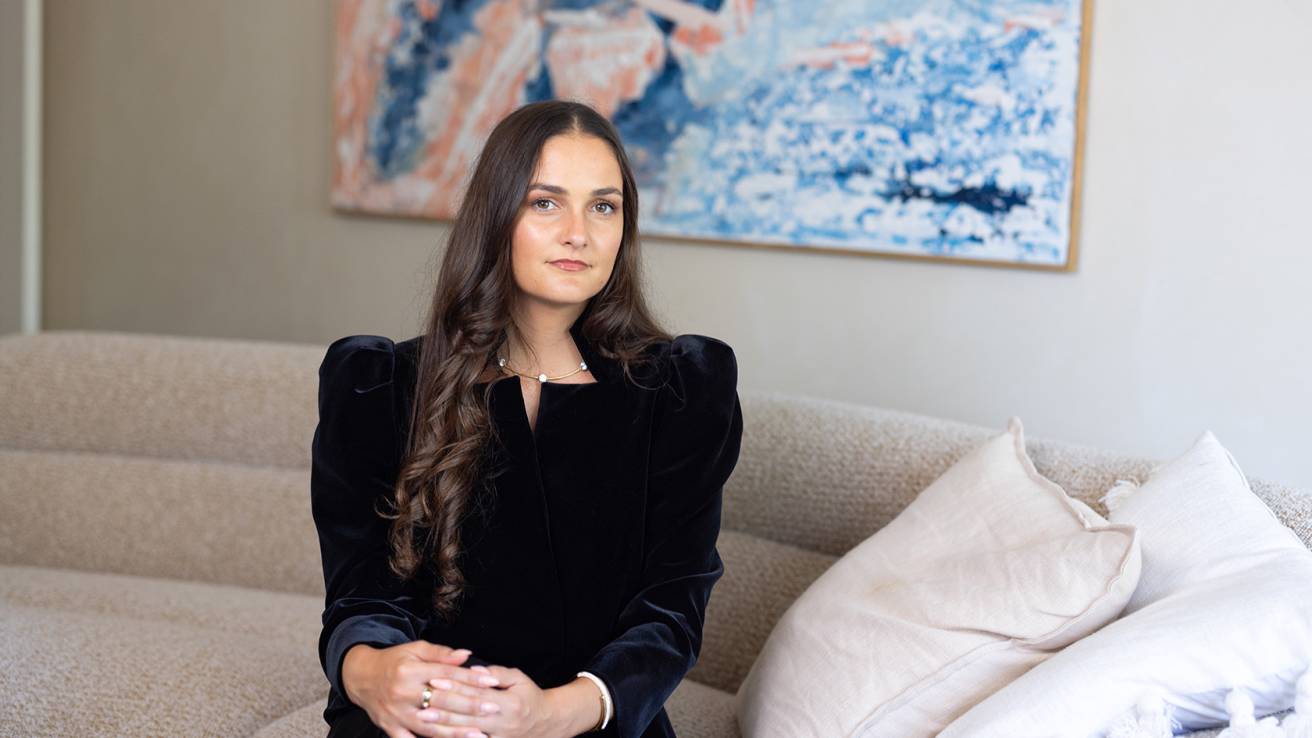
Dr Ariella Heffernan-Marks is setting out to give women a stronger voice in the doctor’s office while tackling the data gaps that have shaped women’s healthcare for decades.
Ovum brings symptoms, medications, test results and medical history together in one AI-powered health journal, helping women spot patterns, prepare for appointments and contribute to a growing women’s health dataset.
That mission has now earned Heffernan-Marks the Best New Founder title at the Startup Daily Best in Tech Awards 2026.
Presented by The Founders Union, the award recognises an outstanding first-time founder demonstrating early promise and creating meaningful impact.
The award comes off the back of a jam-packed year for Heffernan-Marks. Since launching in August 2025, Ovum has been downloaded more than 20,000 times and facilitated over 113,000 AI health conversations.
This momentum was backed by a $4 million seed round in June, valuing Ovum at $18 million. The company has since signed 12 partners, including Medibank, Fernwood Fitness and iScreen, and begun a pilot with Australian Red Cross Lifeblood.
Heffernan-Marks sees these early wins as a foundation for something much bigger.
“The long-term vision is much bigger than an app,” she tells Startup Daily. “We want to help build a future where women’s health is understood continuously and individually, not through fragmented snapshots or biased data, and where women-specific AI can help every woman become a more informed and empowered participant in her own healthcare.”
Patient, doctor, founder
From research gaps to delayed diagnoses, the gender health gap affects women at every stage of the healthcare system.
It is a problem Heffernan-Marks came to understand from both sides of the doctor’s desk.
During her third year of medical school, she began experiencing chronic migraines and found herself navigating the same fragmented system she was being trained to work within.
Seeing healthcare from both sides convinced Heffernan-Marks that women didn’t need another place to store health information. They needed a way to connect it.
Ovum brings symptoms, wearable data, test results, medications, lifestyle logs and medical history into one place, using conversational AI to surface patterns over time. It also offers symptom tracking, medication management and doctor-ready summaries designed to make that information easier to use in an appointment.
“For me, impact is when technology changes what happens in someone’s real life,” Heffernan-Marks says.
“With Ovum, that might be a woman understanding a pattern in her health she’d never connected before, walking into a doctor’s appointment better prepared, or finally feeling like her health history makes sense as one connected story rather than a series of isolated symptoms.”
Building the data women’s health has been missing
“I like to say that at Ovum we are a human-first AI company,” says Heffernan-Marks. “The ambition isn’t just to build a great AI product. It’s to build infrastructure that ultimately contributes to better healthcare for women at scale.”
Women remain underrepresented in health research and datasets, limiting what researchers and clinicians can understand about how conditions, treatments and medications affect women across different ages and life stages.
Ovum is trying to help close that gap by building a longitudinal dataset from women who choose to contribute their anonymised health information.
So far, 83% of users have opted in, contributing more than 130,000 health insights from women aged 15 to 84.
For Heffernan-Marks, that level of participation is also a sign of something critical for any health AI company: trust.
“The number of women consenting demonstrates the power of building trust, especially for an AI company,” she says.
“More than that, it shows the power of putting humans at the centre. Women’s stories and experiences are at the centre of everything we do.”
The long-term goal is to build a richer picture of women’s health over time, one that can support research, improve understanding of how treatments affect women and ultimately contribute to better care.
And while the scale of that ambition is significant, Heffernan-Marks says some of Ovum’s most meaningful signs of impact remain deeply personal.
“We receive messages from women telling us Ovum helped them get an earlier diagnosis, ask a different question, have a better conversation with their doctor, take action on their health, or fundamentally changed their lives,” she says.
“Those are the moments that remind us why we’re building this.”
See the full winners list here.
Thank you to our Startup Daily Best in Tech Awards 2026 partners: