


New Zealand startup organisation Ministry of Awesome has opened a Christchurch hub as the pilot for a national network aiming to grow the country’s ranks of high-growth startups to 5,000.
The New Zealand Startup Hub (NEST) Network is designed to bring founders, investors, mentors, academics, corporate partners and government representatives together, improving access to advice, capital and customers.
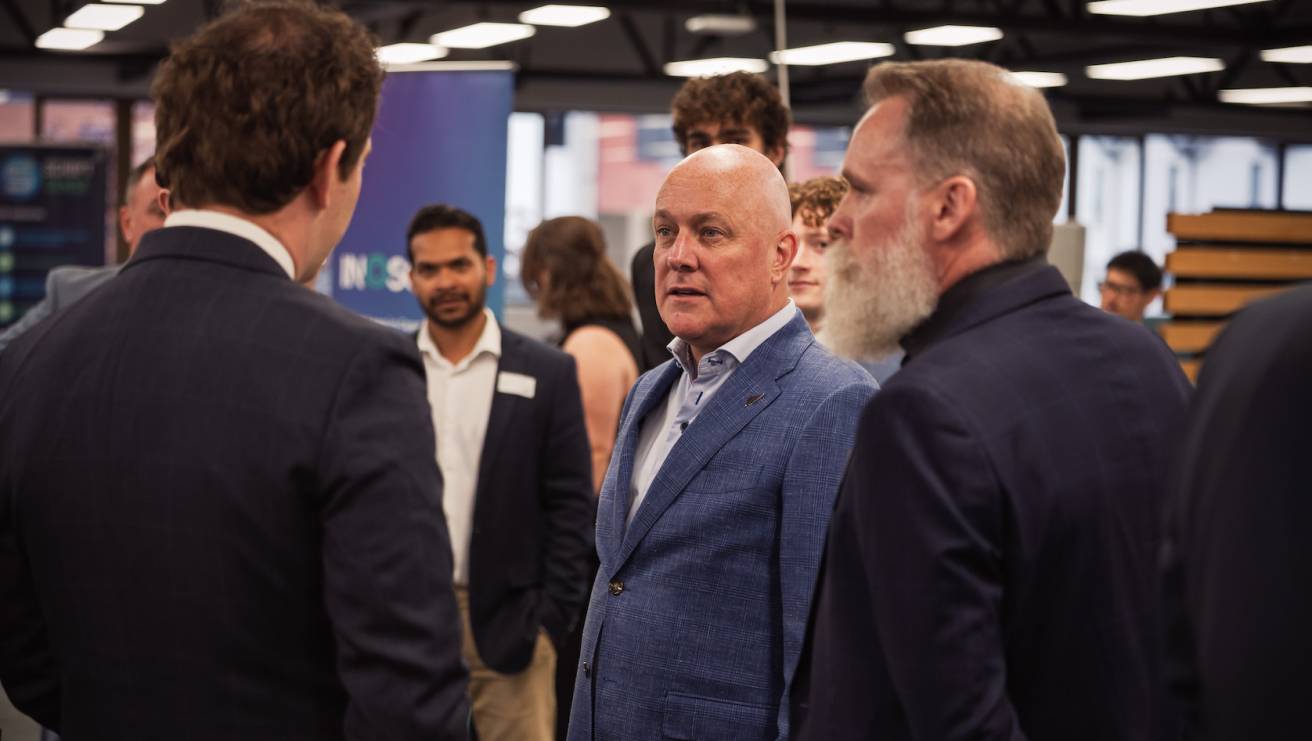
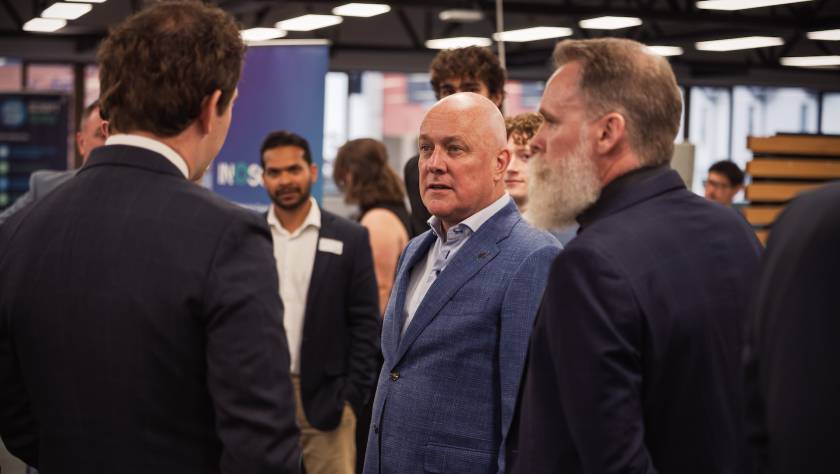
Its first location, a 1,100 square metre space at 829 Colombo Street in Ōtautahi Christchurch, opened this week, with NZ prime minister Christopher Luxon attending.
The hub will become Ministry of Awesome’s Christchurch base, offering workstations, meeting rooms, event spaces and recording studios, alongside programmes, mentoring and business development opportunities.
CEO Graham Scown said the aim was to create the density of people and expertise that helps startups grow, while building infrastructure for New Zealand’s economic development.
“History has shown us that one Rocket Lab can give birth to several new unicorns. That’s the ambition of a space like this, and programmes like ours. We’ve already seen huge successes, like Partly, come out of Ministry of Awesome,” he said.
The wider network is intended to connect existing startup hubs, programmes and communities across Aotearoa.
Potential locations where regional partners could replicate the model include Auckland and Wellington, alongside smaller centres such as Whangārei, Taranaki, Nelson and Wānaka.
The operating model combines tiered memberships, regional expertise and corporate sponsorship. Its ambition is to increase the number of globally focused, high-growth startups to one per 1,000 New Zealanders – around 5,000 companies.
ChristchurchNZ general manager of innovation and business growth Martin Cudd said the hub would build on the city’s existing startup activity.
“Startups play a vital role in creating high-value jobs, attracting investment and developing solutions that can be scaled globally,” he said.
NEST hopes to provide a clearer way to engage with emerging companies for investors, universities, corporates and government, while founders get faster access to the people, expertise and connections needed to move from an idea to investment and exports, alongside more opportunities for collaboration and chance encounters.