

TL;DR: Core Scientific reported $215.4 million in third-quarter colocation revenue, nearly 60% above the prior quarter, while billing 485 MW of capacity. Its results show how an operator once known for Bitcoin mining is building a much larger business around contracted AI infrastructure.
Some Bitcoin mining companies have talked about their artificial-intelligence ambitions for years. Core Scientific’s latest financials show what that transition looks like once facilities begin producing substantial revenue from customers.
According to its November 5 earnings release, the company generated $215.4 million of colocation revenue in the third quarter of 2026, up from $136.7 million in the second quarter and $15 million a year earlier. Total quarterly revenue reached $232.9 million.
Billing capacity is replacing hashrate as the central metric
Core Scientific said it was billing for 485 megawatts as of September 30, representing more than $700 million in average annualised colocation GAAP revenue. That is a different unit of operating performance from hashrate or Bitcoin produced. It describes contracted power and computing infrastructure delivered to tenants.
The move is important because mining revenue depends on several volatile factors at once: Bitcoin price, network difficulty, block rewards and electricity costs. Colocation can offer a different mix of long-term contracts, infrastructure obligations and construction spending. The income stream may be easier to forecast after a facility is delivered, but the capital commitment can be enormous.
Core Scientific says it is approaching full delivery under its first colocation agreement and is constructing capacity under a second agreement across five campuses. Those claims are meaningful milestones, yet remaining construction work and billing ramps still matter to the final financial outcome.
Reading the profit figures carefully
The company reported approximately $1.18 billion in quarterly net income, but said the result benefited from a non-cash change in the fair value of warrants. That makes the headline profit figure a poor stand-in for recurring cash generated by running data centres.
Adjusted EBITDA was $133.6 million, more than three times the previous quarter’s $41.1 million, while capital expenditure reached $985.1 million. Both figures deserve attention. A rapidly growing operating business can still consume substantial cash as it adds the facilities needed to earn future contracted revenue.
This is a useful counterpoint to the more familiar NewsBTC discussion of Bitcoin miners’ AI pivot. The opportunity is becoming measurable, but comparing revenue without spending, financing and delivery schedules would make the transformation look easier than it is.
What the next quarter needs to prove
Investors should follow the number of megawatts actually billing, customer diversification, operating margins, remaining capital needs and any modifications to lease terms. A nominal pipeline is less revealing than a site whose systems have been accepted by a paying tenant.
The results also offer a warning against treating every company in this sector as an identical bet on Bitcoin’s price. Core Scientific now has a material infrastructure business whose fortunes may depend more on demand for AI compute and construction execution than on daily mining profitability. Its history remains part of the story, but the metrics are changing underneath it.
This article was written by the News Desk and edited by Samuel Rae.
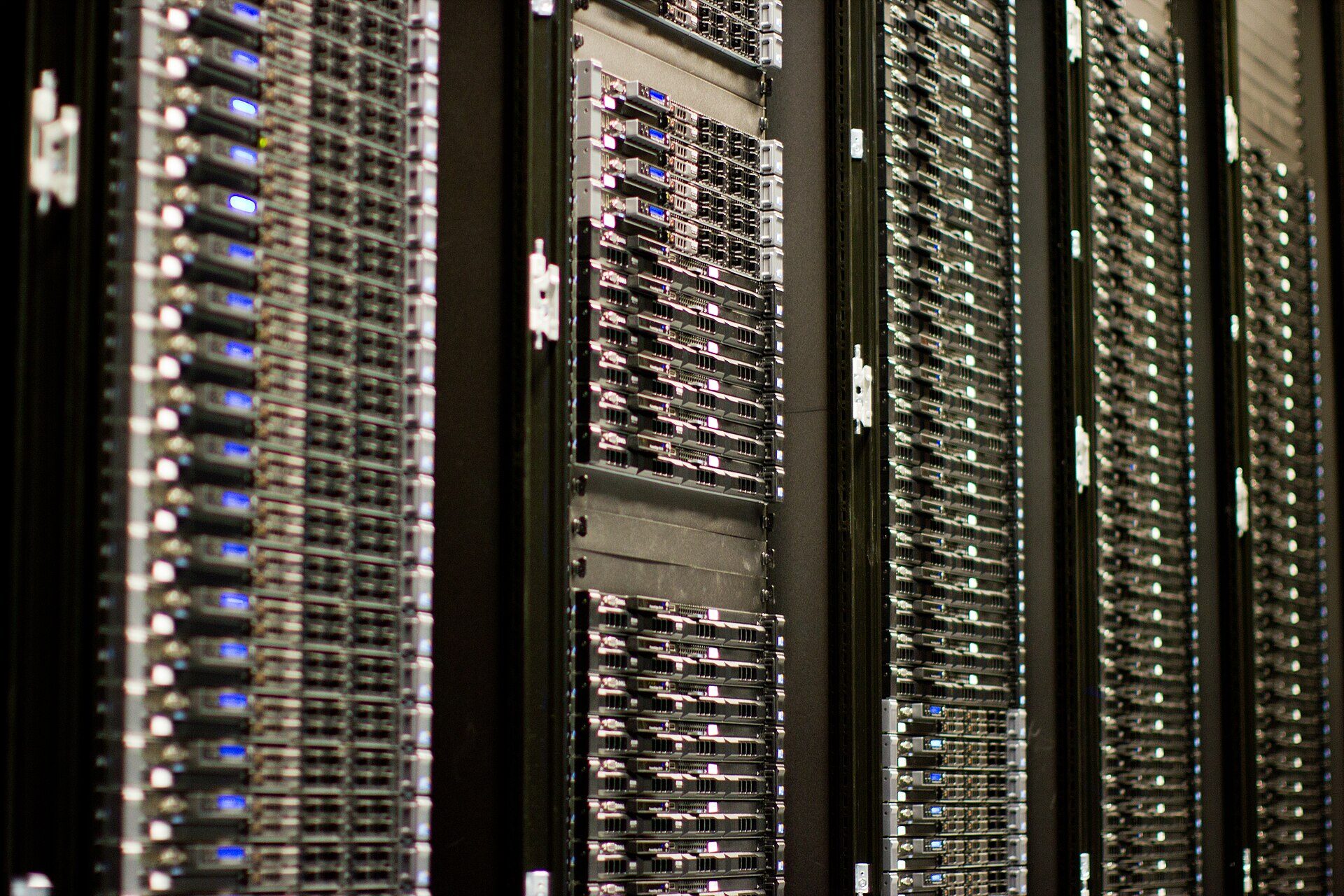
Featured image: Illustrative photograph of data-centre server racks (Wikimedia Foundation servers; does not depict a Core Scientific facility). Photo: Victor Grigas / Wikimedia Foundation via Wikimedia Commons, licensed under CC BY-SA 3.0.