



Just the Tip:
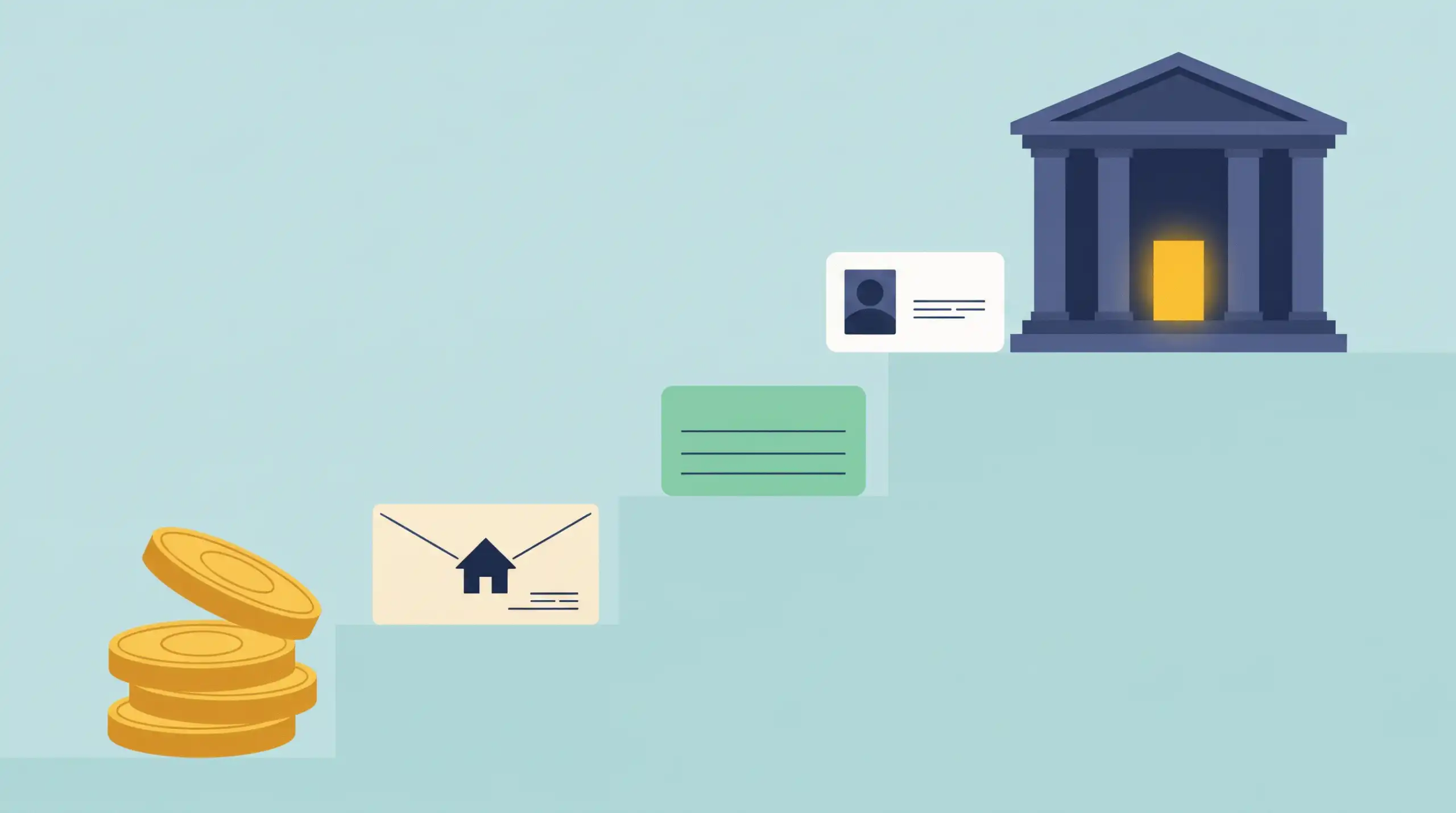
Have a government photo ID, your Social Security number or IRS taxpayer ID (ITIN), your current address, and money for the opening deposit ready before you open a bank account. With those in hand, applying online or at a branch is quick. Then use the first week to set up direct deposit and balance alerts.
Banks use those details to confirm who you are, and an online application may ask questions based on public records, such as a past address. If you can’t finish that check online, you may have to call or visit a branch, the Federal Deposit Insurance Corporation explains.
For the ID number, a Social Security number isn’t the only option. An ITIN, the IRS tax ID for people who need one but can’t get a Social Security number, works too. Some banks also accept a foreign passport or a consular ID as your photo ID. If you’re new to the country, ask what the bank takes first.
Pick a checking account for everyday spending, a savings account for money you’re setting aside, or both, then apply online or at a branch, where a banker may ask to see your ID.
If you’ve moved since your ID was issued, have proof of your current address ready, such as a recent bill or your lease. Banks may also check your banking history, and an unpaid overdraft at an old bank can get you turned down. If that happens, ask which reporting company the bank used, such as ChexSystems, and get your free report from it to dispute any error.
Picture a 19-year-old moving off her parents’ account. She opens checking and savings on her phone in one sitting, then gives her employer the routing and account numbers from the app for direct deposit.
In the first week, make the opening deposit by transfer, mobile check deposit, or cash, and order the debit card if one isn’t on its way.
Last, turn down overdraft coverage, which lets a one-time debit card purchase or ATM withdrawal go through for a fee when your balance falls short. Without your opt-in, the bank can’t charge that fee, the Consumer Financial Protection Bureau notes. A check or recurring payment can still overdraw the account for a fee, so set a low-balance alert for an amount above your largest automatic payment.
Compare the best checking accounts to pick where you’ll open yours.
Get one money tip every morning

Join 50,000+ readers. Actionable, free, no nonsense – just the tip.
Subscribe and we’ll send you 101 Essential Money Tips to get you started.
The 101 money moves that matter most, from the foundations to protecting what you’ve built.
No spam, ever. Unsubscribe anytime.
Advertiser Disclosure: Many or all of the offers that appear on this site are from companies that compensate us, and some companies pay for sponsored content. That compensation may influence which products we cover and where and how they appear on a page, including the order in which they appear. We do not include every company or offer available in the marketplace.