

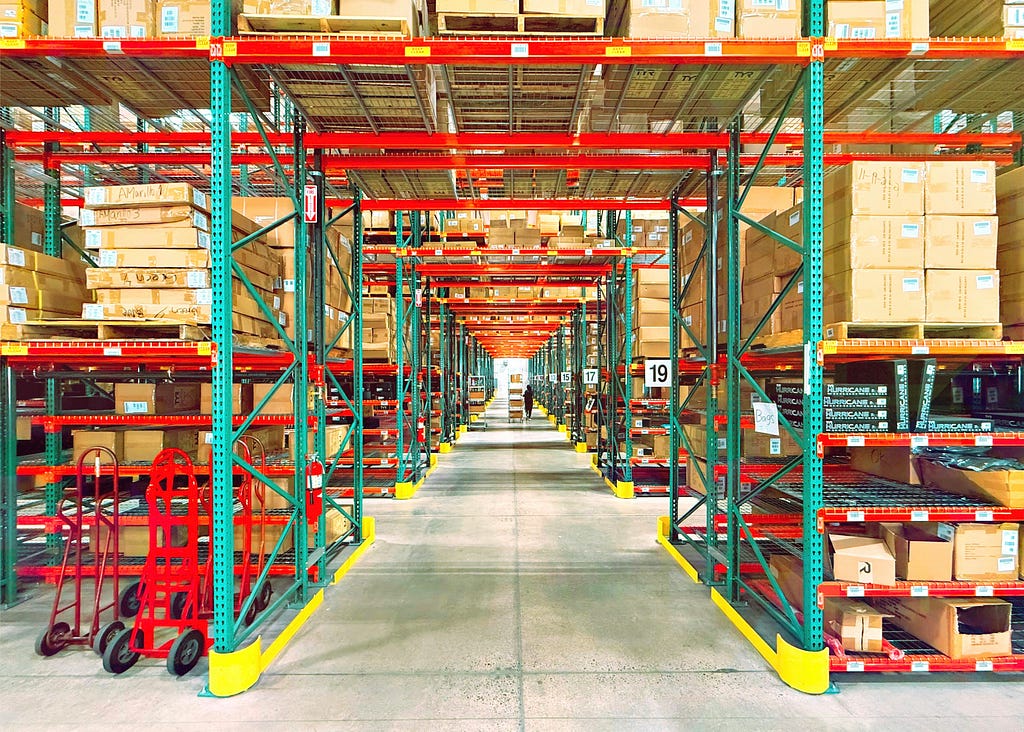
Here’s why i believe the next million e-commerce entrepreneurs will not hold inventory.
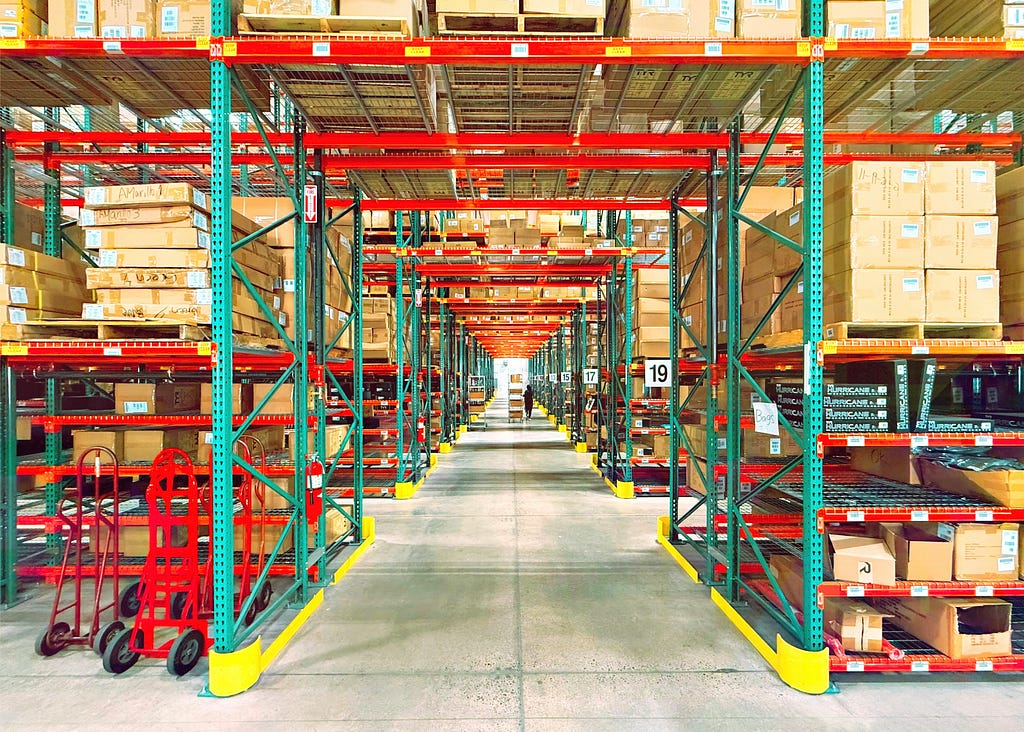
The first time I tried to do e-commerce the “right way,” I was at my kitchen table with a spreadsheet open and a supplier quote on another tab. The plan sounded clean in my head. I’d pick a product, buy in bulk, get the unit cost down, ship fast, scale.
Then I typed my shipping address into the quote.
The total wasn’t insane, but it snapped something into focus. Inventory doesn’t just cost money. It costs certainty. Once you pay, you start needing the product to work, even if the market has other plans.
That advice hits different when you’ve got a job, bills, and a brain that’s already tired. You don’t feel like gambling a chunk of savings just to learn what you could’ve learned with a smaller bet.
That night I realized the thing I wish someone had said to me earlier.
Inventory used to be the entry fee. These days, it’s just one way to play.
If you’re sitting on an idea right now but you’re scared of dead stock, you’re not being dramatic. You’re just doing the part nobody posts about. The advice to “start with a small batch” sounds harmless until you realize your small batch is still rent money, plus boxes in your hallway, plus a bet you might be wrong about.
I didn’t have cash lying around. I had a job, a calendar that didn’t care, and a very normal fear of buying my way into a mistake. I wanted the upside of e-commerce without the feeling of gambling in public, so I stopped trying to be brave and tried to be correct.
Inventory turns a fun idea into a loan application.
When I first got into e-commerce, I had this quiet belief that real stores had shelves. Real founders “committed.” It’s funny what your brain picks as legitimacy when you’re insecure.
E-commerce itself is normal now. In the U.S., online sales were about $1.19 trillion in 2024. Customers are trained. They don’t care where your product sat before they bought it. They care if it shows up fast, matches the photos, and doesn’t turn into a customer service episode.
I still wanted to do it “properly,” though. So I did what anxious first time founders do. I priced a bulk order, typed it into a spreadsheet, and added the boring stuff.
Minimum order was 300 units. Unit cost was $4.20, so $1,260 before anything moved. Shipping and fees added another $310. The total came out to $1,570 tied up in one guess, and I hadn’t even paid for packaging yet.
And that was the optimistic version. No customs surprise. No damaged cartons. No “we’re out of that size, can we substitute?” email landing at 6 a.m.
That’s when I wrote DO NOT REORDER YET in all caps in my notes.
There’s also a cost people skip because it isn’t dramatic. Carrying costs, storage, shrinkage, cash sitting still, and the mental load of managing stuff. A common rule of thumb is that inventory carrying costs can run around 20% to 30% of the inventory’s value over time. I didn’t need perfect accounting to feel what that meant. If I bought wrong, I wasn’t just stuck. I’d be slower, poorer, and distracted.
Inventory works when you’ve got repeat demand and you know your winners. I quit inventory because I didn’t have proof yet.
On-demand changed the order of money.
The switch flipped when I noticed the order of money. With stock, cash leaves first and your learning shows up later. With a more on-demand setup, the order can show up first and then you fulfill. That sequence changes what a beginner can survive.
And “order first” isn’t magic. Returns exist. Fraud exists. People change their minds. It’s retail.
In 2023, the National Retail Federation and Appriss Retail estimated total U.S. retail returns at $743 billion, with a 14.5% return rate overall. Online purchases were higher, with a return rate around 17.6%. Reading that didn’t give me any comfort. I felt warned, because returns don’t just dent profit. They mess with timing.
I learned that in my second month.
I’d had a run of small wins. Nothing viral. Just orders coming in without me texting friends. Then I woke up to two chargebacks and a refund request sitting in my inbox like bills.
One customer said the item looked cheaper in person. Another said it arrived later than expected and they didn’t need it anymore. The chargeback didn’t even come with a story, just a notification that felt like a slap.
I remember thinking, very calmly, oh. So this is the job.
I launched with 18 SKUs across three designs and two product types. From idea to live store took me 9 days. That’s me refusing to spend three months “preparing” when I knew my assumptions weren’t worth that kind of time.
I kept my ad budget small, usually $15 to $30 a day, and I ran each test for 4 to 6 days. If something got clicks but no purchases, I rewrote the product page, changed the photos, adjusted the price by a couple bucks, and watched what happened.
Baymard’s checkout research backs up what I was seeing. Extra costs at checkout are a top reason people abandon carts, and slow delivery expectations also kill conversion. If my shipping estimate looked vague, conversion dipped. If the total jumped at checkout, people vanished.
So I got obsessed with clarity.
Around this point, I plugged into print-on-demand infrastructure for a few items. Printify became the platform I relied on to power that shift, mostly because it let me test without buying stock upfront. If a design didn’t sell, nothing piled up in my living room. I just moved on. That flexibility let me test quickly and scale what worked without renegotiating manufacturing every time sales increased.
I didn’t have to buy in bulk, manage storage, or guess demand months in advance. I could choose suppliers based on price, location, or quality, and even offer personalized products without holding inventory.
It made fulfillment easier, but the customer experience was still mine. Brand, support, refunds, all of it.
The trade-offs showed up in my inbox, fast.
One morning, I got an email with the subject line that read This is not what I ordered.
It wasn’t a scam. The customer was right. The print was slightly off center, wrong enough that you’d notice, and the customer noticed because they paid money and expected competence.
I stared at the photos longer than I want to admit. I felt embarrassed, then annoyed, then embarrassed again for being annoyed. I drafted three versions of an apology and deleted them because they sounded like corporate toothpaste.
I refunded them and sent a replacement. I ate the cost. Then I went back through my listings and killed anything that felt risky in production, even if it sold okay.
That week taught me two unsexy truths.
First, if you don’t hold inventory, you give up a little control. You can’t inspect every unit before it leaves. Second, control is expensive. People pretend it’s free.
Shipping can be slower depending on what you sell and where your customers live. In a world trained by two day delivery, you have to be clear and boring about timelines. If you hide shipping times, you’ll pay for it in refunds and angry messages.
Returns aren’t rare. They’re normal retail behavior at scale. For every $1 billion in sales, the average retailer deals with about $145 million in merchandise returns. I’m not a billion dollar retailer. I’m bringing that up because it resets expectations.
So I built boring systems. Canned replies for shipping delays. A refund policy I could live with. A simple tracker for which products caused the most tickets. I stopped keeping products just because they were technically profitable if they made my week miserable.
I used to fantasize about inventory like it was a milestone. Like one day I’d earn the right to have stacks of boxes and feel legitimate.
Now that fantasy feels loud and a little childish.
If you’ve got a proven winner, if your return rate is stable, if fulfillment speed is a real advantage, inventory can be smart. But early on, inventory can turn into a costume. You wear it to feel real, then you pay for it with stress.
Inventory is a choice now. It doesn’t have to be your first one.
If you want to start without touching stock, do one thing this week. Pick one product idea and build a test that costs you time, not thousands. Make one clean product page. Write a delivery promise you can actually keep. Run a small traffic test for 7 days. Track clicks, add-to-carts, and purchases.
If nobody buys, you didn’t fail. You learned cheaply, and you get to change direction without stepping over boxes in your living room.
And if you do get orders, you’ve earned the next step. The market finally spoke in the only language that counts.
References
1) “In the U.S., online sales were about $1.19 trillion in 2024.”
https://www2.census.gov/retail/releases/historical/ecomm/24q4.pdf
(See the line: “Total e-commerce sales for 2024 were estimated at 1,192.6 billion…”)
2) “Inventory carrying costs can run around 20% to 30% of inventory value.”
https://www.zoho.com/inventory/academy/inventory-management/what-is-carrying-cost.html
3) “Total U.S. retail returns were $743B in 2023… 14.5% overall… 17.6% online.”
4) “For every $1B in sales, the average retailer incurs about $145M in returns.”
5) “Extra costs are a top reason people abandon carts; delivery too slow is also a major reason.”
(Includes the breakdown: extra costs too high, delivery too slow, etc.)
I Almost Bought Inventory for My Store. Then I Did the Math. was originally published in The Startup on Medium, where people are continuing the conversation by highlighting and responding to this story.