

Do you want to learn how to start an Etsy printables shop from scratch? Are you wondering what you should actually do first – and if it’s still possible to make money selling printables today? Selling digital products like printables can be a great way to make extra income online. You don’t have to worry…
Do you want to learn how to start an Etsy printables shop from scratch?
Are you wondering what you should actually do first – and if it’s still possible to make money selling printables today?
Selling digital products like printables can be a great way to make extra income online. You don’t have to worry about inventory, shipping, or returns, and you can create a product once and sell it over and over again.
But one of the biggest questions I hear is: Where do I even begin?
Today, I’m excited to share an interview with Cody, a successful Etsy seller who has turned printables into a thriving business. He’s been featured here on Making Sense of Cents before – How I Made $6,161 in Just 4 Months With a New Etsy Printables Shop. He’s been selling printables for years and has helped thousands of students start their own Etsy shops – even if they had no design experience.
In this interview, you’ll learn:
- How to choose a profitable printable niche
- What products to create first (and what to skip)
- How to set up listings that can actually get found on Etsy
- What to focus on in the beginning, and what can wait
- What to do if your shop isn’t getting traffic or sales
If you’ve been thinking about starting an Etsy printables shop but feel overwhelmed or unsure where to begin, this interview will help you better understand the first steps to take.
Also, if you’re interested in learning even more, Cody is hosting a free live workshop tomorrow where he shares how he built a brand new Etsy shop to over $4,000 per month selling digital products. In the workshop, he goes deeper into what’s working right now, the types of printables that are selling, beginner mistakes to avoid, and the exact template method he uses to create products that can sell again and again. Please click here to sign up for this free workshop.
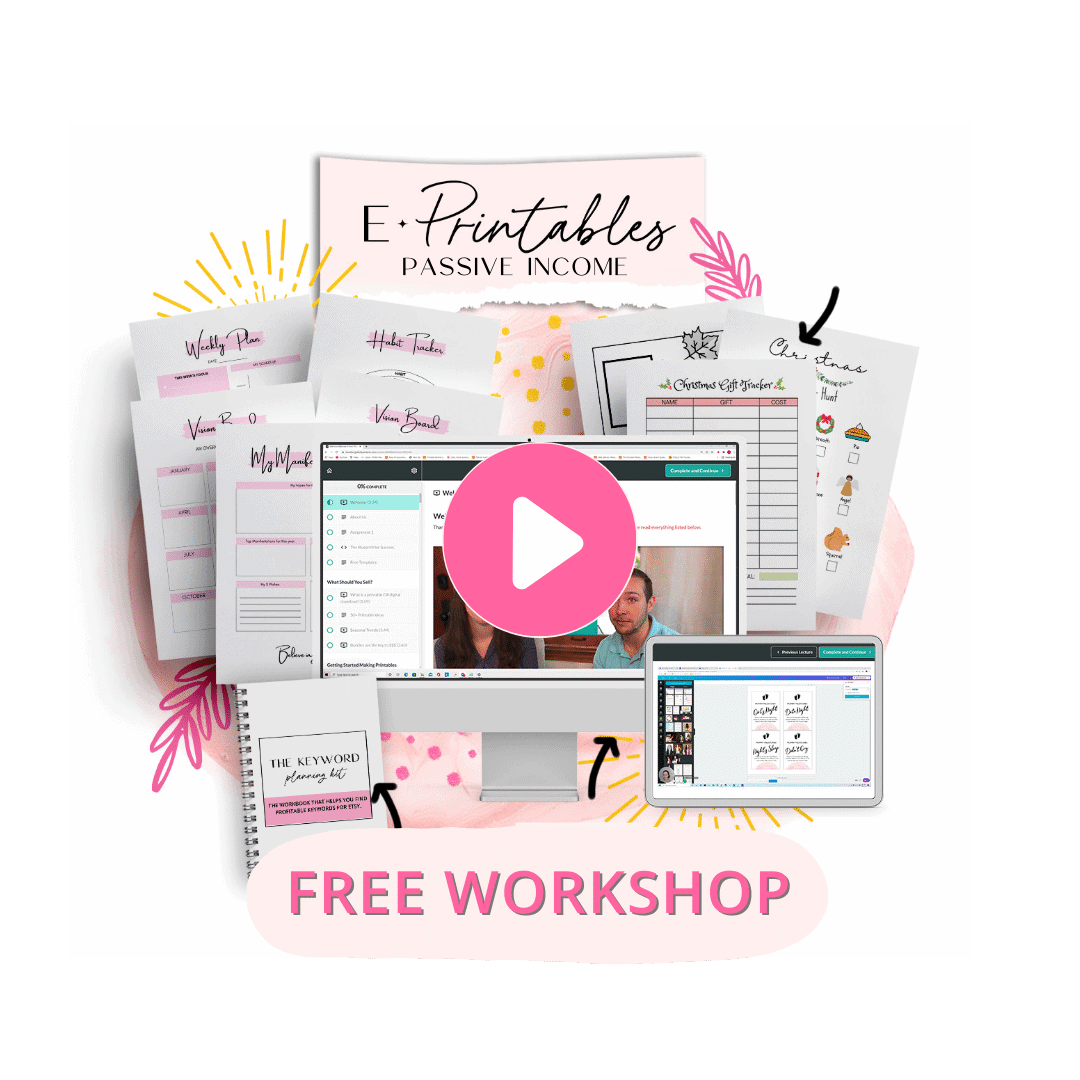
Do you want to make money selling printables online? This free training will give you great ideas on what you can sell, how to get started, the costs, and how to make sales.
If I Had To Start an Etsy Printables Shop Today, Here’s Exactly What I’d Do in the First 30 Days
This interview is for you if you want to learn how to start a new printables business right now.
1. Can you tell us a little about yourself, how you got started selling printables, and what your experience with Etsy has looked like over the years?
I started selling printables on Etsy after trying a lot of different side hustles.
At the time, I was always experimenting with ways to make extra money online. I had tried things like freelance writing, building websites, and a few other small side hustles, but nothing really stuck.
Then my friend Julie Berninger mentioned that she was selling printables on Etsy and had made several thousand dollars in a relatively short amount of time. That caught my attention immediately.
The funny thing is, if you knew me, I would probably be the last person you’d expect to start a printable shop. I’m not naturally artistic, and I had never designed anything before. But what I liked about the idea was how simple the business model was. You create a digital product once, upload it to Etsy, and customers can download it instantly. There’s no inventory, no shipping, and Etsy handles the payment and delivery automatically.
So I decided to give it a try.
At first, it was just an experiment. I started creating simple designs and learning how Etsy search works. Over time, I got better at designing products, identifying niches, and improving my listings. Eventually, my shop started gaining traction and turning into a real source of income.
What I love most about selling digital products is the scalability. Once the product is created, it can be sold over and over again without additional work. I’ve had countless days where I wake up to sales that happened while I was sleeping or traveling.
More recently, I even started a brand-new Etsy shop from scratch just to see if it was still possible to succeed today. That shop made over $6,000 in its first four months, which showed me that the opportunity is still very real for beginners.
Since then, I’ve also started teaching others how to create and sell digital products on Etsy, and it’s been amazing to see people launch their own shops and start generating income from products they create once and sell repeatedly.
2. If you were starting a brand-new Etsy printables shop today, what would be the very first thing you’d do?
If I were starting a brand-new Etsy printables shop today, the very first thing I would do is research the marketplace before creating any products.
One of the most common mistakes beginners make is designing something they think people will want and then trying to sell it. Instead, I like to start by figuring out what people are already searching for on Etsy.
The Etsy search bar is actually one of the best research tools available. When you start typing in a phrase, Etsy shows suggested searches based on what real customers are looking for. That gives you a good starting point for understanding demand.
From there, I start looking for opportunities to niche down. Etsy is a huge marketplace, and trying to compete in a very broad category can be difficult for a new shop. Instead, I look for smaller niches where the competition is lower, but there are still people actively searching for products.
For example, instead of creating a general budget planner, you might focus on something more specific, like a budget planner for teachers, college students, or families with young kids.
Once I find a niche that looks promising, I study the existing listings. I look at how many reviews the top listings have, what the designs look like, and what features customers seem to like. Then I think about how I could create something that improves on what is already there.
Doing this research first makes a huge difference. Instead of guessing what might sell, you are creating products that are already aligned with what Etsy buyers are looking for.
3. Before making anything, how would you figure out what kind of printables to sell?
Before making anything, I would focus on validating the idea first.
Like I mentioned earlier, I would usually start with the Etsy search bar. When you begin typing a phrase, Etsy shows suggested searches based on what real customers are looking for. That makes it a great starting point for identifying potential product ideas.
From there, I would click into the search results and start studying the listings that appear. I look at things like how many reviews the top listings have, what the designs look like, and whether the products seem to be selling consistently. This helps me get a quick sense of whether there is real demand for that type of printable.
But if I really wanted to dive deeper into the research, I would also use a keyword research tool like eRank. Tools like this can give you estimates of how many people are searching for a particular keyword each month and how competitive that keyword is on Etsy.
That information can be extremely helpful because it allows you to spot opportunities where people are actively searching for something, but there are not thousands of competing listings.
By combining what you see directly on Etsy with keyword data from a tool like eRank, you can make much more informed decisions about what kinds of printables to create.
As I always say, “the riches are in the niches”.
4. How would you choose a niche if you were starting from scratch and didn’t want to waste time?
If I were starting from scratch and wanted to avoid wasting time, I would focus on finding a product type that already performs well on Etsy and then niche down within that product.
For example, instead of trying to come up with something completely new, I might start with a product category that already has strong demand, like gift tags, invitations, planners, games, or templates. These are products people consistently buy on Etsy.
From there, the key is to niche down at the product level. Instead of creating something very general, I would look for ways to target a specific use case, audience, or occasion.
One important thing I want to point out is that your entire shop does not have to revolve around a single niche. It is perfectly fine to sell different types of products in the same shop. For example, a shop might sell invitations, printable games, planners, and templates. What matters more is that each individual product is focused on a specific niche, so it is easier for the right buyer to find it.
Personally, I like to use what I call the Template Method. I start by creating a base design for a product, such as a printable invitation. Once I have that template, I use keyword research to identify different niches and occasions where that product could work.

Then I create multiple variations using the same template. For example, an invitation template could be adapted for birthdays, baby showers, graduations, holidays, and many other occasions.
This approach allows you to create products much faster because you are not starting from scratch every time. It also helps you build a larger catalog of listings, which increases the chances of your shop being discovered on Etsy.
5. What mistakes do beginners make when choosing their niche or first product idea?
One of the biggest mistakes beginners make is creating products without doing any research first.
A lot of people start by designing something they personally like and then hope it will sell. The problem is that Etsy is a search-driven marketplace. Most sales come from buyers searching for something specific, so it is important to create products that people are already looking for.
Another common mistake is choosing ideas that are far too broad. For example, someone might create a general planner or a generic printable wall art design. Those categories are extremely competitive, which makes it hard for a brand-new shop to stand out.
This is why niching down is so important. Instead of targeting a broad category, it is usually better to create something designed for a specific audience, occasion, or use case.
I also see beginners spend a lot of time trying to come up with a completely unique idea. In reality, many successful Etsy products are variations of things that are already selling well. The goal is not to reinvent the wheel. The goal is to find something that people already want and create a version that serves a specific niche.
Another mistake is expecting immediate results after listing just one or two products. Some sellers do have success with only a few listings, but in most cases, momentum plays a big role. Each new listing is another opportunity for your shop to appear in Etsy search and reach potential buyers.
Over time, continuing to add new products gives you more chances to make sales and helps your shop gain traction.
6. Once you have picked a niche, how would you decide what products to create first?
Once I picked a niche, the next thing I would do is look at what types of products are already performing well within that niche.
For example, if I decided to focus on something like teacher-related printables, I would search Etsy and look at the types of products that appear repeatedly. I might see things like classroom planners, teacher appreciation gift tags, classroom organization labels, or printable games for students.
When you start seeing the same types of products over and over again, that is usually a good signal that buyers are actively purchasing them.
From there, I would choose one product type to start with and create several variations of it. I prefer focusing on one product style at first because it allows me to work faster and build momentum.
This is where the Template Method I mentioned earlier comes into play. I will create a base design for that product and then adapt it for different niches, occasions, or audiences using keyword research.
For example, if I started with a printable gift card holder, I might create variations for teacher appreciation, baby showers, birthdays, holidays, and thank-you gifts. Each variation targets a different search phrase while using the same core design.
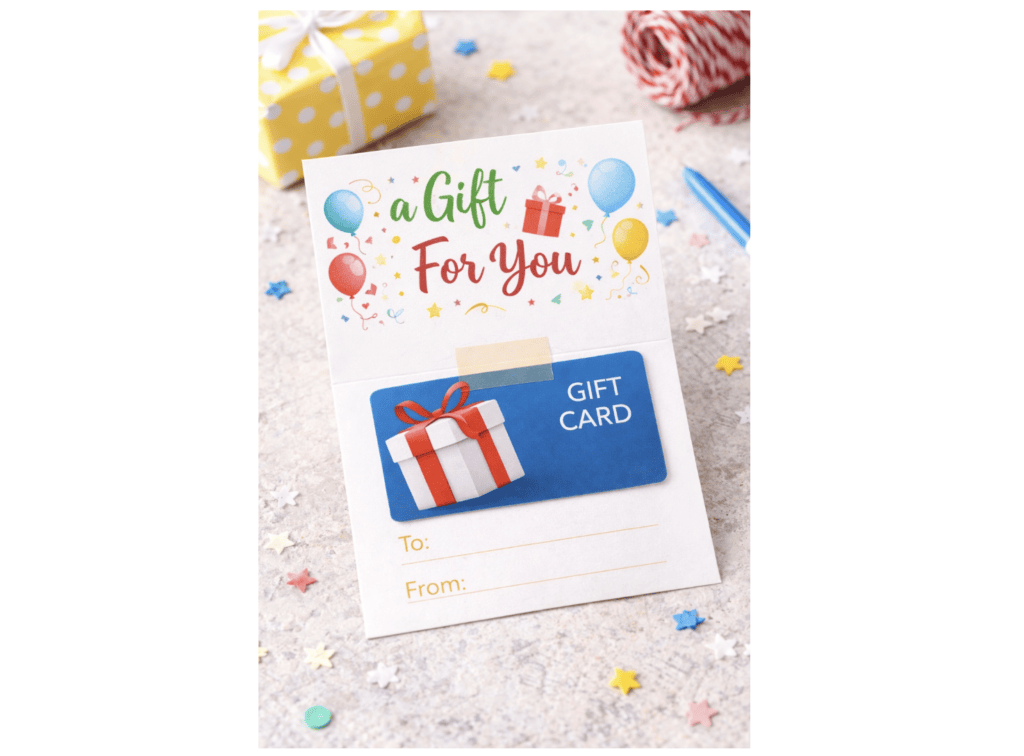
This approach helps you build multiple listings quickly without having to reinvent the design every time. It also increases your chances of showing up in Etsy search because each listing targets a slightly different keyword.
As you continue adding variations, you start building momentum in your shop and increasing the number of opportunities for buyers to discover your products.
7. Would you focus on making one really good product first, or several listings right away?
I would start by creating one really strong base template, and then quickly expand that into multiple listings.
When I create a new product type, I usually spend a few hours designing a high-quality base template. I want that core design to look polished and professional because it will become the foundation for many different listings.
Once that base template is finished, creating new variations becomes much faster. In many cases, I can adapt the same template into a new product in about 10 to 15 minutes by changing the wording, colors, occasion, or niche.
For example, if I designed a gift tag template, I could quickly create versions for teacher appreciation, baby showers, birthdays, holidays, and thank-you gifts. Each variation targets a different keyword but uses the same core design.
By changing the text, graphics, and background elements, I can usually create a new product from my base template in about 10 to 15 minutes instead of spending hours designing something completely new.
8. How many listings do you think a beginner should aim to have up early on?
I try not to recommend a specific number of listings because every shop grows at a different pace. Some sellers see success with only a few products, while others need a larger catalog before things really start to take off.
What I focus on more is momentum.
Each new listing you create is another opportunity for your shop to appear in Etsy search and reach a potential buyer. The more products you have available, the more chances you have for someone to discover your shop.
That is why I encourage beginners to keep creating and listing products consistently, especially in the early stages. Even if a listing does not take off right away, it still adds to your overall catalog and helps you learn what buyers respond to.
This is also where the Template Method can be helpful. Once you create a strong base template, you can often turn that into many different product variations fairly quickly. That makes it much easier to grow your shop and build a solid collection of listings over time.
And the reality is, it only takes one product gaining traction to start generating meaningful side hustle income. Many successful Etsy shops get a large portion of their sales from just a handful of listings.
9. How would you make sure your listings have a chance of getting found on Etsy?
The biggest factor in getting found on Etsy is using the right keywords.
Most buyers do not browse Etsy randomly. They usually search for something specific, like “baby shower games printable” or “teacher appreciation gift tags.” Etsy’s algorithm looks at the words in your listing to decide when your product should appear in those search results.
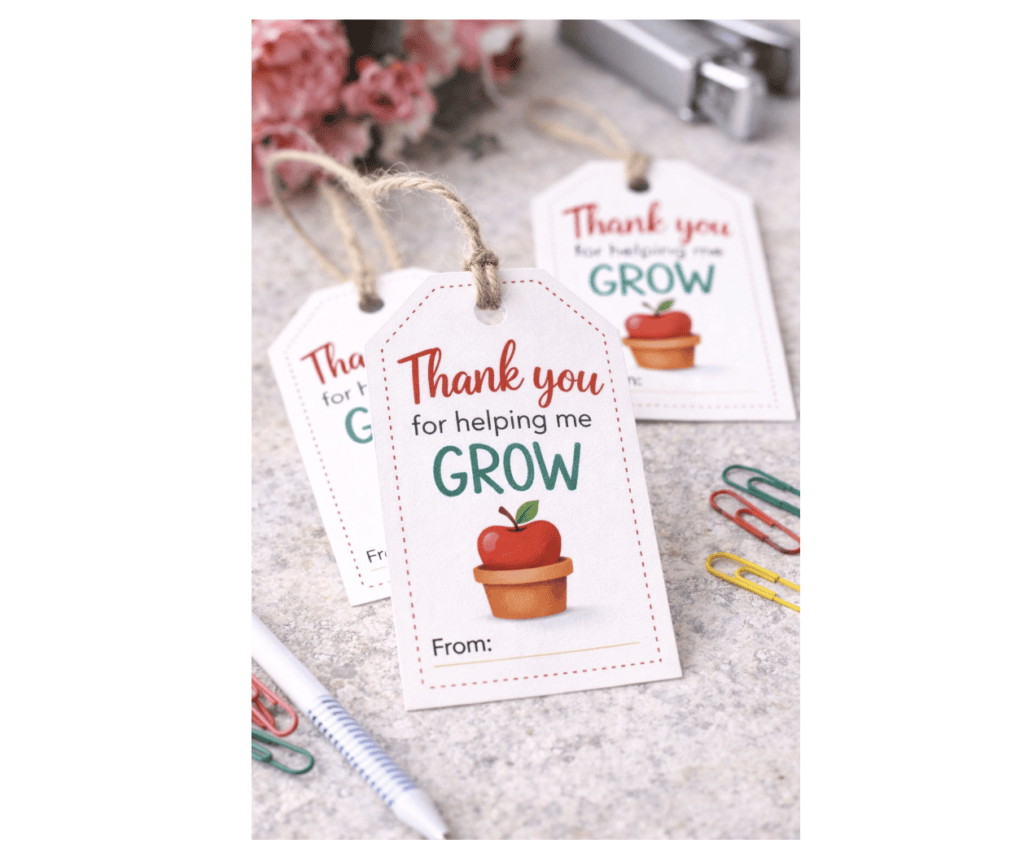
Because of that, I spend time researching the keywords buyers are actually using. I start by looking at the Etsy search bar suggestions and studying listings that are already performing well in that category. This gives me a good sense of the phrases people are searching for.
If I want to go a step further, I will also use a keyword research tool like eRank. Tools like that can show estimated search volume and competition levels for different keywords, which can help you identify opportunities where people are searching but the competition is not overwhelming.
Once I have a good keyword, I make sure it appears in important parts of the listing like the title, tags, and description. The goal is to make it very clear to Etsy what the product is and who it is for.
I also like to target specific search phrases rather than very broad keywords. For example, instead of trying to rank for something like “gift tags,” a listing might target something more specific, like “teacher appreciation gift tag.” These more focused keywords often make it easier for a new shop to get discovered.
10. What would you pay the most attention to when writing titles, tags, and descriptions?
When writing titles, tags, and descriptions, the main thing I focus on is using the exact phrases that buyers are searching for.
Etsy’s search algorithm relies heavily on keywords, so it is important to use language that clearly describes what the product is and who it is for. I usually start by identifying one main keyword phrase that I want the listing to rank for.
For example, if the product is a printable thank you card for your kids’ soccer coach, the main keyword might be something like “soccer coach thank you card.”
Once I have that primary phrase, I build the title and tags around it. I also try to include closely related keywords that buyers might search for. In this example, that might include phrases like “soccer coach appreciation card,” “coach thank you printable,” “end of season soccer coach gift,” or “team coach thank you card.”
The goal is not to stuff the listing with random keywords, but to use clear, relevant phrases that accurately describe the product.
I also try to keep the buyer in mind while writing the title and description. The listing should quickly communicate what the product is, who it is for, and when it might be used. If someone searching for a soccer coach thank you card immediately sees that your printable fits exactly what they need, they are much more likely to click on the listing and make a purchase.
In short, the goal is to make it very clear to both Etsy and the buyer exactly what the product is and who it is meant for.
11. What should a beginner focus on first, and what can wait until later?
In the beginning, I think the most important thing is simply getting your first products listed.
A lot of beginners get stuck trying to make everything perfect before they launch. They spend a lot of time worrying about things like their shop logo, branding, or having the perfect storefront design. While those things can be nice to have, they are not what drives sales on Etsy.
What really matters early on is creating products that people are searching for and getting those listings into your shop.
I usually encourage beginners to focus on three things first: researching good product ideas, creating a solid design, and using relevant keywords in their listings. Those are the things that will actually help your products show up in Etsy search and attract buyers.
Things like building a social media following, creating elaborate branding, or having a perfectly polished shop can come later. Many successful Etsy sellers make their first sales without doing any social media at all because most of their traffic comes directly from Etsy search.
Etsy shops tend to improve over time. The important thing in the beginning is to get started, gain experience with the platform, and begin building momentum with your listings.
12. If a new shop is getting very little traffic or no sales at first, what would you do next?
If a new shop is getting very little traffic or no sales at first, the first thing I would do is look at the keywords in my listings.
On Etsy, traffic usually comes from search. If people are not seeing your listings, it often means your products are not matching the phrases buyers are searching for. I would go back and review the titles, tags, and descriptions to make sure they clearly target a specific keyword.
Sometimes, a small change to the wording of a title or tags can make a big difference in how Etsy understands your product.
The second thing I would do is continue creating new listings. Many shops start slowly, and it often takes time for Etsy to understand what your shop sells and where your products belong in search results. Each new listing is another opportunity to reach a buyer.
I also like to look closely at the search results for the keywords I am targeting. If the first page of results is filled with listings that have thousands of reviews, it may be a sign that the niche is very competitive. In that case, I might try niching down even further and targeting more specific search phrases.
Keep refining your keywords, improving your listings, and adding new products until you start finding the ideas that gain traction. You’ll get better with practice and time.
13. What are some signs that a new Etsy printables shop is on the right track, even if sales are still slow?
Even if sales are still slow, there are several signs that a new Etsy shop is moving in the right direction.
One of the first things I look for is increasing views and visits to my listings. If people are starting to find your products through Etsy search, that usually means your keywords and product ideas are beginning to align with what buyers are looking for.
Another positive sign is when one particular listing starts getting noticeably more attention than the others. You might see one product getting more views, favorites, or even a few early sales while the rest of your listings remain quiet. When that happens, it is usually a signal that you are onto something.
Instead of trying to reinvent the wheel, I like to lean into what is already working. If one product is getting traction, I will often create as many variations of that idea as possible. That might mean adapting it for different occasions, audiences, sports, professions, or events.
A lot of sellers make the mistake of abandoning something that is starting to work because they want to try completely new ideas. In many cases, the better strategy is to build on that early success and see how far you can take it.
Sometimes one strong product or idea can turn into dozens of listings once you start creating variations.
14. What advice would you give to someone who has been thinking about starting an Etsy printables shop but keeps putting it off?
My biggest advice would be to stop waiting for the perfect moment and just get started.
A lot of people spend months thinking about opening an Etsy shop. They research product ideas, watch videos, and read articles, but never actually take the first step. The truth is that you will learn far more by creating your first few listings than you ever will by continuing to research.
To be honest, my first listings didn’t sell at all. My first ~20 products made a whopping zero sales because I had absolutely no idea what I was doing. But every listing taught me something new about how Etsy works and what buyers are actually searching for. Within a few months of opening my shop, things finally started to click, and I had my first $700 week.
I also think people underestimate how exciting those first few sales can be. Even making your first $5 from something you created can feel incredibly rewarding. It is a small amount of money, but it represents something bigger. It shows that it is possible to make money outside of your regular job.
That realization can be really powerful. For me, it completely changed the way I thought about earning income and building freedom.
Once you see that first sale come through, it often becomes much easier to stay motivated and keep building from there.
15. Can you tell me about the course that you teach? How does your course help someone start a printables business?
The course I teach is called The E-Printables Course, and it walks people step by step through how to start a business selling printables online.
Inside the course, we cover everything from generating product ideas and researching keywords to designing printables and setting up Etsy listings so buyers can actually find them. The lessons include over-the-shoulder video tutorials that walk through the full process from idea to finished product and live listing.
Students also get access to 30+ done-for-you Canva templates that they can customize and list in their own shops. These templates make it much easier for beginners to get started because they don’t have to design everything from scratch.
One of the parts students tend to love most is our VIP Community. Inside the community, new students get access to thousands of other Etsy sellers who are building their shops together. We also have a team of Etsy experts who host live Q&A sessions, shop audits, monthly challenges, and ongoing training to help members continue improving their shops.
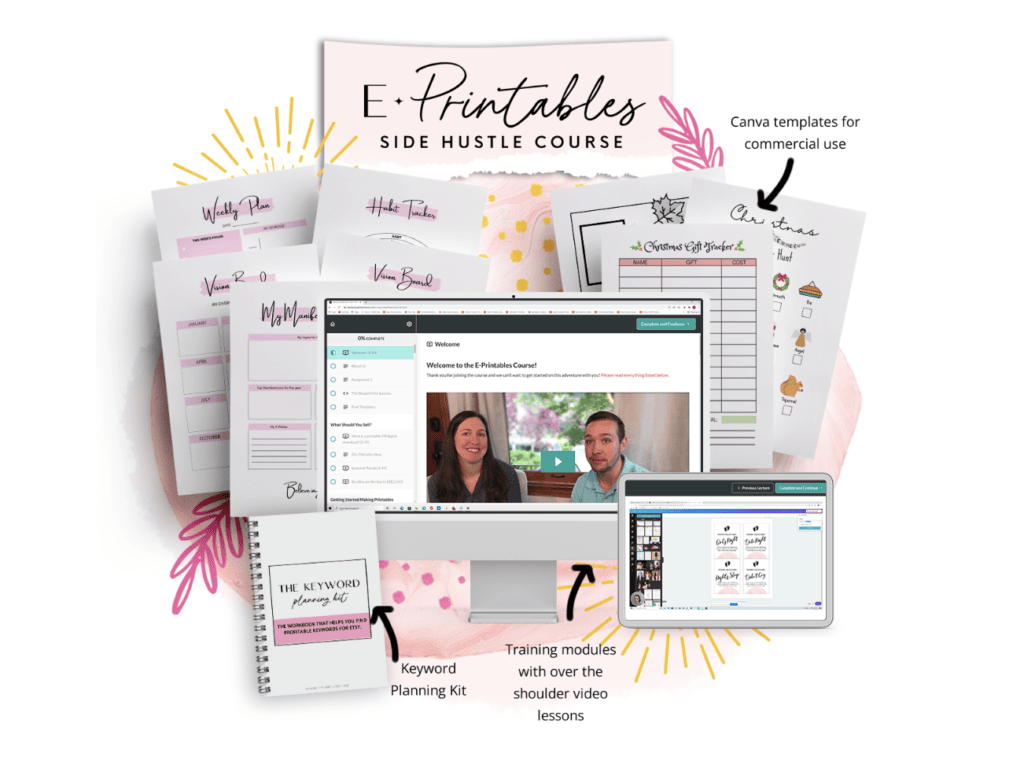
That community aspect makes a huge difference because starting an online business can feel overwhelming when you’re doing it alone. Having a group of people who are asking questions, sharing wins, and helping each other troubleshoot problems creates a lot of motivation and accountability.
Over the years, we’ve had thousands of students go through the course, and it has been amazing to see what they’ve accomplished. Some students have made their first sale within days of starting, others are now covering their mortgage payments with their side hustle income, and some star students have even quit their day jobs.
For me, coming from the personal finance space, I truly believe selling digital products is one of the easiest ways to start generating passive income. Seeing our students do exactly that every single day is incredibly rewarding. One phrase we live by at Gold City Ventures is, “Create it once, sell it forever.”
You can sign up for a free workshop on how to make money by selling printables by clicking here.
Do you want to make money selling printables online? This free training will give you great ideas on what you can sell, how to get started, the costs, and how to make sales.
Have you ever thought about opening an Etsy printables shop? If so, what’s the biggest thing holding you back?
Recommended reading: