

Key Takeaways
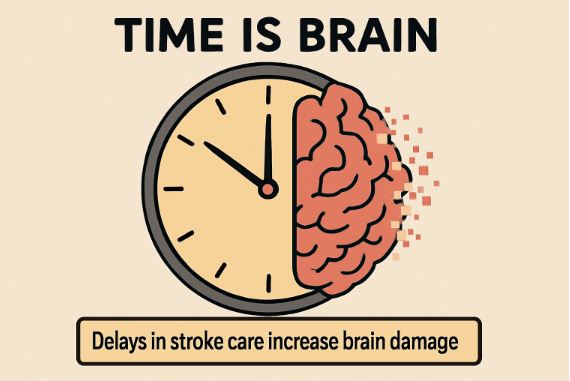
- Timely stroke care dramatically reduces the risk of permanent brain damage and long-term impairments.
- Delays can result in prolonged physical, cognitive, and emotional challenges for survivors.
- Rapid access to medical expertise and rehabilitation is critical for maximizing recovery and minimizing risk.
- Education on recognizing stroke symptoms and the importance of immediate care can save lives and improve outcomes.
Introduction
Seconds matter when treating a stroke—one of the leading causes of serious long-term disability worldwide. Delays in accessing specialized care can shape the outcome for survivors, resulting in consequences that last months, years, or even a lifetime. Every moment lost between the onset of symptoms and effective treatment means more brain cells at risk.
Recognizing the early warning signs and knowing when to seek emergency medical assistance can be the deciding factor between full recovery and a lifetime of limitations. Understanding how delays impact stroke outcomes is not only medically essential—it’s also vital for informed decisions about stroke medical malpractice cases, where rapid treatment may have been the difference between life and death. Prompt recognition and immediate response are critical to minimizing long-term damage. Families and caregivers who are educated about stroke symptoms can advocate effectively, ensuring timely medical intervention and improving overall prognosis.
Increased Risk of Permanent Brain Damage
Stroke occurs when blood flow to the brain is interrupted, depriving brain cells of oxygen and nutrients. The sooner blood flow is restored, the greater the chance of preserving brain function. According to the Mayo Clinic, immediate intervention dramatically decreases the risk of sustaining irreversible damage. However, delayed treatment can cause significant cell death, often resulting in loss of mobility, inability to speak, or permanent memory deficits.
Prolonged Fatigue and Physical Impairments
Recovery from a stroke isn’t limited to surviving the initial episode; many survivors face lingering fatigue and difficulties performing daily tasks. Studies have shown that even individuals experiencing a transient ischemic attack (TIA), sometimes called a “mini-stroke,” report ongoing exhaustion for up to a year afterward. This profound tiredness can hinder rehabilitation, slow return to work, and decrease quality of life. In severe cases, permanent weakness or paralysis can affect one side of the body, making independent living challenging.
These physical challenges are compounded for patients who cannot receive immediate care, making early recognition and fast response essential for reducing long-term impairment. Physical therapy, occupational therapy, and other interventions are far more successful when initiated soon after the stroke event.
Cognitive Decline and Dementia
Strokes can significantly impact memory, attention, reasoning, and problem-solving skills. More than half of stroke survivors develop some level of cognitive impairment in the first twelve months, which can progress to vascular dementia if proper intervention is delayed. Additionally, a lack of prompt assessment and tailored cognitive therapies limits the effectiveness of post-stroke interventions, hampering a full return to daily routines.
Emotional and Psychological Challenges
A large number of survivors experience post-stroke depression (PSD) and anxiety. According to recent research, PSD can persist for up to a decade, dramatically impacting physical recovery and daily function. Emotional and psychological consequences can include mood swings, withdrawal from social activities, frustration from physical impairments, and difficulty adjusting to new limitations. Addressing these issues early with appropriate counseling and support services is crucial to a patient’s well-being.
Delayed Treatment and Increased Mortality
Delays in receiving specialized stroke care—whether due to prolonged transfer times or barriers to emergency access—are linked to higher rates of mortality and diminished recovery. A study from the University of Michigan found that patients who did not receive timely transfers to stroke centers had worse functional outcomes and an increased risk of death. The reason is clear: the longer the brain is deprived of oxygen, the greater the likelihood of widespread damage that cannot be reversed.
Challenges in Rehabilitation and Recovery
Access to effective rehabilitation is often dictated by how quickly an individual receives initial stroke care. Delays can complicate recovery, making therapy and adaptation more difficult while limiting the regaining of lost function. Early, aggressive rehabilitation gives survivors the best chance for improvement, while delayed intervention increases the likelihood of lasting disabilities and dependence on caregivers. Comprehensive rehabilitation must address not only motor and cognitive skills but also psychological resilience and ongoing support.
Final Thoughts
The consequences of delayed stroke intervention extend well beyond the immediate medical emergency. Permanent brain damage, debilitating fatigue, cognitive decline, emotional struggles, and increased mortality all illustrate how crucial every minute is in the fight to minimize stroke’s toll. Recognizing symptoms early, seeking immediate medical care, and accessing specialized treatment facilities are essential. Acting quickly not only saves lives, but it also significantly enhances the prospects for a meaningful recovery and a return to independence.