

Projects gain momentum when people move in the same direction, which is why effective stakeholder collaboration and strong stakeholder communication play such a defining role in overall success. Teams often juggle shifting priorities, tight deadlines and diverse expectations, making coordinated participation essential from the start. When every contributor understands how decisions are made and how information circulates, engagement increases and risks shrink. This alignment gives the project a stable foundation and helps managers guide the work with clarity.
What Is Stakeholder Collaboration?
Stakeholder collaboration is a coordinated process in which project stakeholders and the project management team work together toward shared objectives. This joint effort blends technical insight, operational needs and strategic direction to shape decisions collectively. By involving both groups in discussions, reviews and problem-solving activities, collaboration builds stronger ownership and reduces disconnects. Within project management, this process creates clearer expectations, uncovers issues earlier and supports a more unified approach to guiding the project from start to finish.
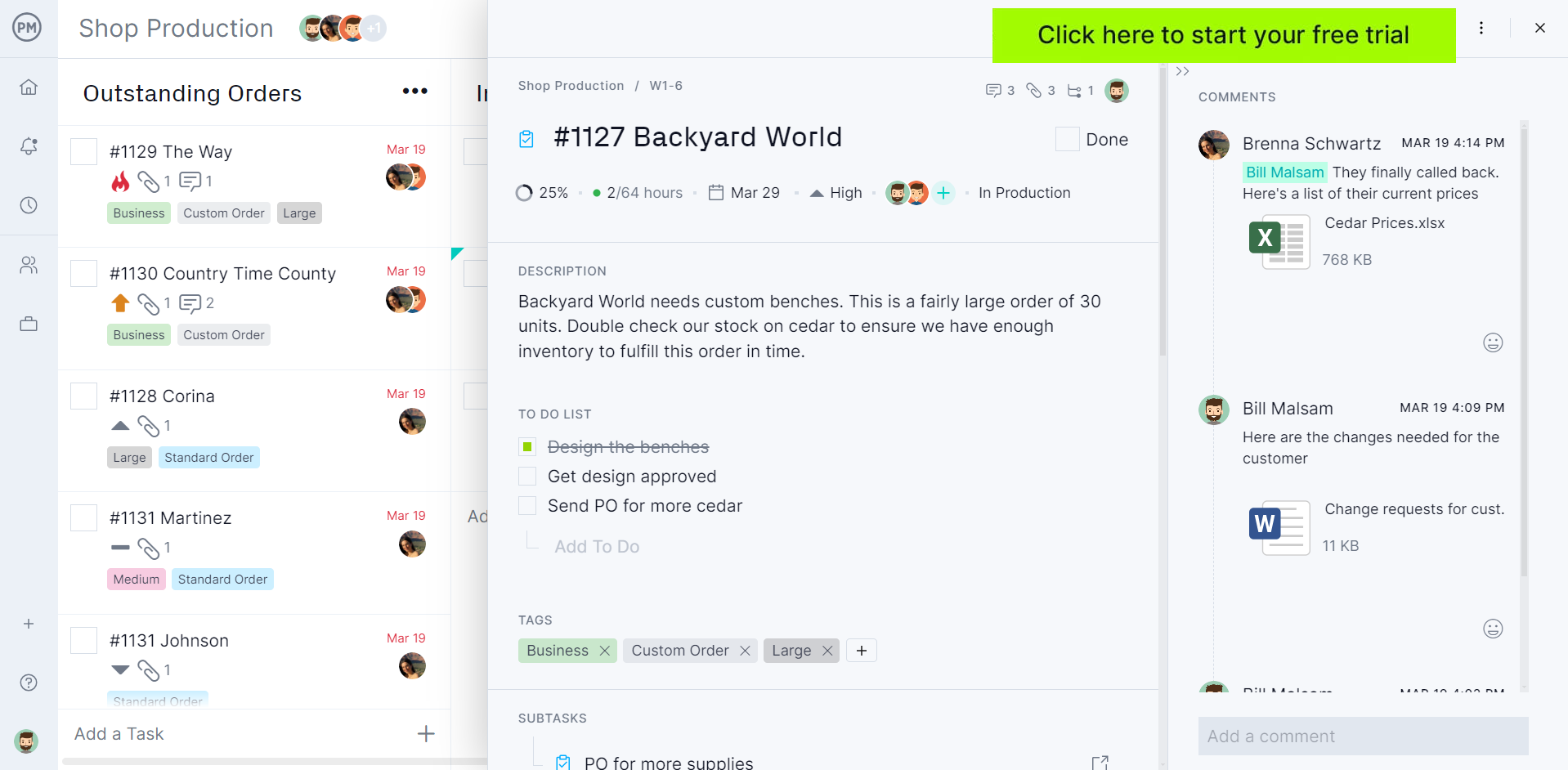
With important projects and initiatives on the line, it’s essential to utilize the right tools for stakeholder collaboration. ProjectManager is designed to make stakeholder communication seamless, transparent and efficient, whether your stakeholders are team members, clients, leadership or external partners. With all project information in one shared platform, stakeholders don’t need to hunt down emails or documents. From Gantt charts that show timeline information to dashboards for executives who want high-level insight, our software enables everyone to see the project in the way that works best for them. Get started by taking a free 30-day trial.
What Are the Benefits of Effective Stakeholder Collaboration?
As stated above, stakeholder collaboration delivers value beyond simple information sharing between the project team planning and executing the project and stakeholders who actively take part in the project.
While stakeholders still need to leave the project team room for decision-making, when stakeholders actively participate, the project gains broader insight, smoother coordination and a stronger base of support when compared with projects where stakeholders are informed about the project but aren’t engaged. These partnerships help teams respond to uncertainty with greater confidence and ensure that decisions reflect the needs of everyone involved.
- Improved alignment between project goals and stakeholder expectations
- Faster decision-making due to clearer input and shared understanding
- Reduced resistance because stakeholders feel included in key discussions
- Earlier identification of risks and issues through diverse perspectives
- Greater accountability as responsibilities become more transparent
- More efficient use of resources thanks to coordinated planning
- Stronger support for approvals, changes and milestone sign-offs
Now that we have a better understanding of what stakeholder collaboration means in the project management field and why it matters, let’s zoom in on an important component of stakeholder collaboration, which is effective communication.
Related: 13 Free Stakeholder Management Templates for Excel & Word
Stakeholder Collaboration vs. Stakeholder Communication
Although stakeholder collaboration and stakeholder communication are closely connected, they serve different purposes within a project. Collaboration focuses on how stakeholders and the project team participate in shaping decisions—sharing insights, reviewing work and influencing the project’s direction.
Communication, on the other hand, is about how information moves between those same groups. It ensures that updates, expectations and responsibilities are delivered clearly and at the right time. Because it’s more specific, it can be considered a component of the larger stakeholder collaboration process.
In practice, collaboration cannot happen without communication, but communication alone doesn’t guarantee collaboration. A project may share frequent updates yet still struggle with engagement if stakeholders aren’t involved in discussions or problem-solving. By distinguishing these two functions, teams can design processes that both inform stakeholders and invite them to contribute meaningfully, resulting in stronger alignment and fewer disconnects as the project progresses.
With this distinction in mind, let’s take a closer look at what stakeholder communication involves and how it supports the overall collaboration process.
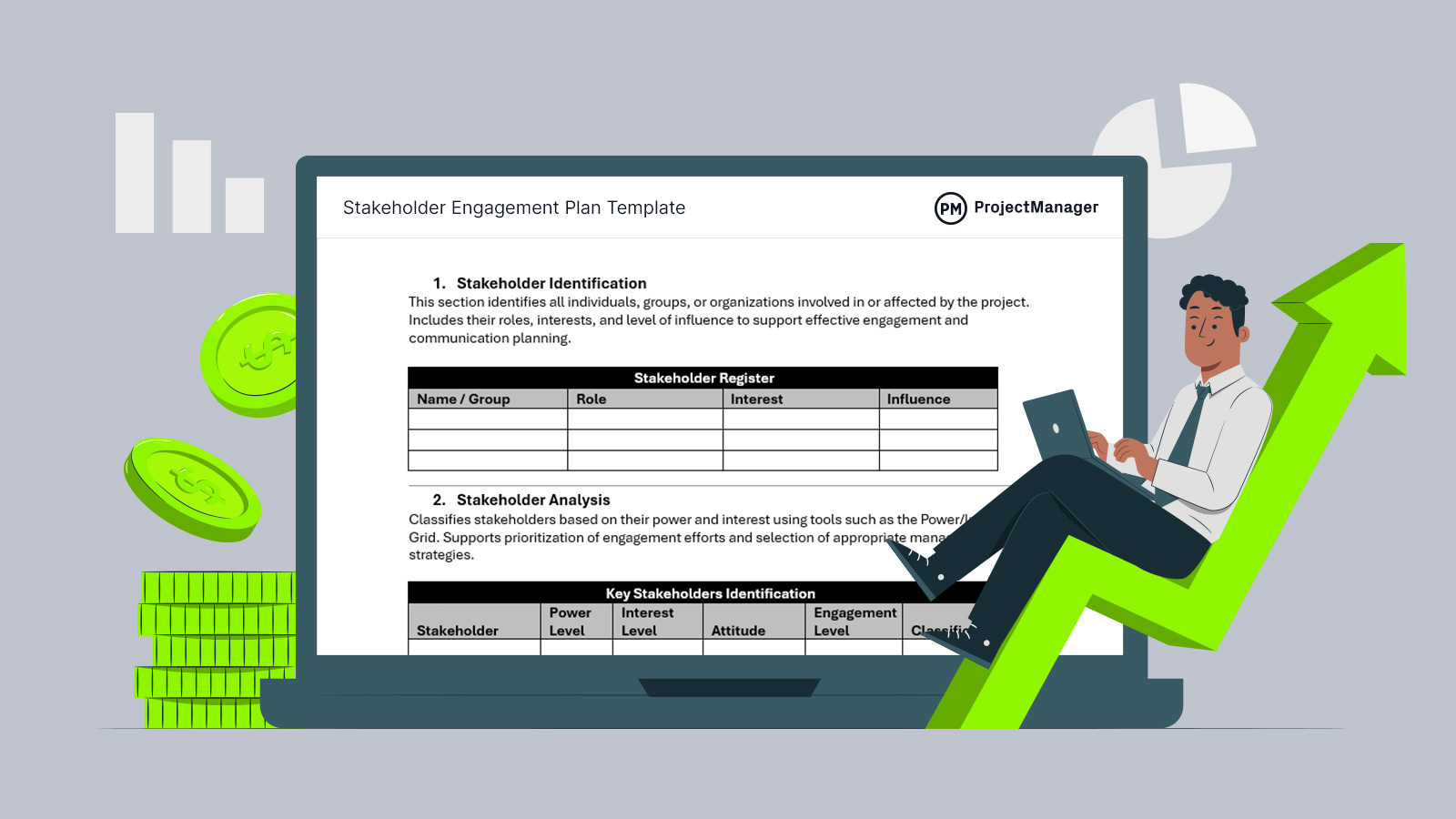
Get your free
Stakeholder Engagement Plan Template
Use this free Stakeholder Engagement Plan Template to manage your projects better.
What Is Stakeholder Communication?
Stakeholder communication refers to the structured exchange of project information among individuals or groups with an interest in the outcome. Messages may address progress, risks, changes or upcoming activities, but the emphasis is always on delivering timely and relevant updates. In a project management context, this communication ensures every stakeholder understands how their role connects to the broader effort. Clear, predictable communication supports accountability and reduces misunderstandings during critical moments.
To better understand stakeholder collaboration, it’s important to define the following terms:
- Stakeholder communication strategy: Defines the overarching approach for sharing information with stakeholders, including goals, tone and guiding principles. It ensures communication stays consistent, intentional and aligned with how stakeholders prefer to receive updates.
- Stakeholder communication requirements: Specifies what information stakeholders need, the level of detail required and when updates must be delivered. Clear requirements prevent misunderstandings and help the team maintain predictable, transparent communication throughout the project.
- Stakeholder communication methods: Identifies the channels used to deliver information—email, meetings, reports, dashboards or collaboration tools. Choosing the right methods ensures stakeholders receive updates in a format that supports timely awareness and engagement.
In project management, these and other important stakeholder communication elements are described in a document known as a stakeholder communication plan.
What Is a Stakeholder Communication Plan?
A stakeholder communication plan outlines how project information will be created, shared and monitored throughout the project. It defines who receives updates, how often those updates occur and the channels used to distribute them. By documenting expectations early, teams prevent gaps that could lead to confusion or misalignment. Within project management, this plan acts as a roadmap for consistent messaging and ensures transparency as activities evolve and decisions are made.
What Should Be Included in a Stakeholder Communication Plan?
A strong stakeholder communication plan brings structure to how information moves through the project. Defining expectations early helps teams avoid guesswork, keeps messages consistent and ensures every stakeholder gets the right details at the right moment.
1. Stakeholder List & Roles
A clear list of all stakeholders, grouped by category (executive sponsors, team members, customers, vendors, regulators, etc.) and their roles in the project. This section should also specify influence levels, decision-making authority and points of contact so responsibilities remain transparent throughout execution.

2. Stakeholder Interests & Information Needs
Describe what each stakeholder cares about—progress, risks, budget, milestones, issues, approvals—and the level of detail they expect. Adding nuances such as preferred perspectives, sensitivity to specific risks or concerns about timeline shifts helps tailor messages that resonate with each audience.
3. Stakeholder Communication Objectives
State what the communication plan aims to achieve: align expectations, reduce misunderstandings, provide transparency, secure timely approvals, etc. Objectives should connect directly to project success and reflect what the team needs from stakeholders to maintain momentum and minimize disruptions.
4. Stakeholder Communication Methods & Channels
Specify how information will be delivered, such as email updates, meetings or stand-ups, reports (status reports, dashboards), project management tools and presentations or workshops. It’s helpful to match each channel to its ideal purpose so stakeholders know where to expect different types of updates.
5. Stakeholder Communication Frequency & Timing
Define how often each communication happens and when: weekly status report, monthly steering committee review, daily team stand-up, milestone-based briefings. You can also highlight timing dependencies, such as communications triggered by risk events, change requests or phase completions.
6. Message Content & Format
Explain what each communication includes: KPIs, milestones, risks & issues, change requests, budget status and next steps. Expanding format expectations—such as charts, bullet summaries or narrative explanations—helps standardize how information is presented across all project participants.
7. Responsible Person
Note who will prepare and send each communication (project manager, project coordinator, team lead, etc.). Identifying backup owners and support roles ensures continuity, especially during team absences or when rapid responses are required for emerging issues.
8. Feedback Gathering Mechanisms
Include how stakeholders can provide feedback or request clarification (email, meetings, comment threads in the PM tool). Encouraging two-way communication strengthens engagement and helps surface concerns early, allowing the team to make timely adjustments.
9. Escalation Process
Outline how critical issues get escalated, who is involved and how quickly they must respond. A clear escalation path reduces delays during urgent situations and ensures decision-makers intervene before risks escalate into larger project constraints.
10. Stakeholder Communication Matrix
A table summarizing stakeholder, information needed, format, channel, frequency and owner. This matrix becomes a quick-reference guide that keeps everyone aligned and makes it easier to onboard new team members or external partners.
Related: 37 Must-Have Project Management Templates for Google Sheets & Docs
11. Approval Requirements
Clarify which communications or documents require formal approval (e.g., a risk response, budget change, scope change). Stating approval thresholds prevents confusion and helps the project manager secure signatures or confirmations without unnecessary delays.
12. Plan Review & Updates
Describe when and how the communication plan itself will be reviewed and updated as the project evolves. Including checkpoints tied to major milestones or phase transitions ensures the plan remains accurate and relevant from start to finish.
Stakeholder Engagement Plan Template
This stakeholder engagement plan template provides a structured way to organize stakeholder collaboration and strengthen stakeholder communication throughout the project. By outlining roles, expectations and engagement methods, the template helps teams maintain alignment and anticipate stakeholder needs.
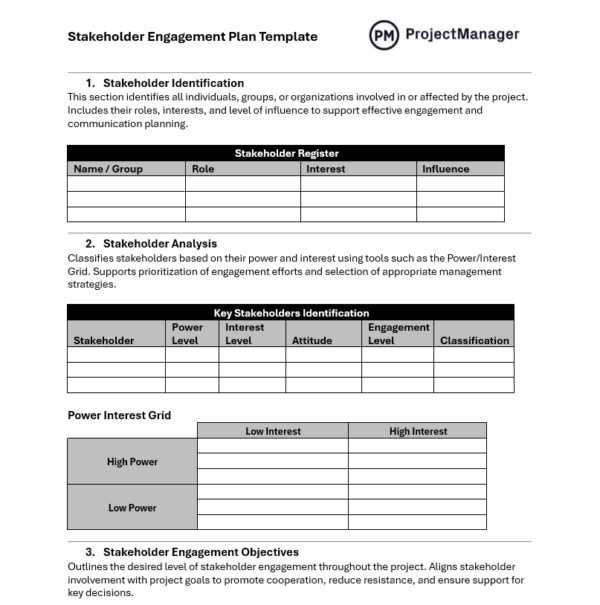
Each section supports clearer decision-making, reduces friction and keeps participants informed as the project evolves. With defined strategies, communication requirements and monitoring methods, project managers can maintain consistent participation from all groups. The result is a practical framework that improves transparency and supports a more cooperative project environment.
Free Related Stakeholder Collaboration Templates
Promoting stakeholder collaboration and stakeholder communication is fundamental for successful project delivery, which is why we’ve created dozens of stakeholder management templates for Excel, Word and Google Sheets. Here are some of them.
Stakeholder Analysis Template
This template helps project teams examine each stakeholder’s influence, priority and commitment level while also capturing preferred communication frequency and method. Users can organize motivations, concerns and expectations in one place, creating a clear picture of how each stakeholder affects the project and how engagement should be managed.
Stakeholder Map Template
This template uses a stakeholder matrix to position stakeholders across four quadrants—keep satisfied, manage closely, monitor and keep informed—based on their interest and influence. By visualizing their placement, teams can tailor engagement strategies and quickly determine which groups require the highest level of attention.
How ProjectManager Helps with Stakeholder Collaboration and Communication
Templates can be useful tools to stay in sync with stakeholders, but there are limitations. Why not try project management software instead? ProjectManager provides centralized project visibility for stakeholders, allowing you to build dashboards, Gantt charts and reports. Track project progress, costs, timeline, resource usage and more. With b
Centralized Project Visibility with Multiple Task Views
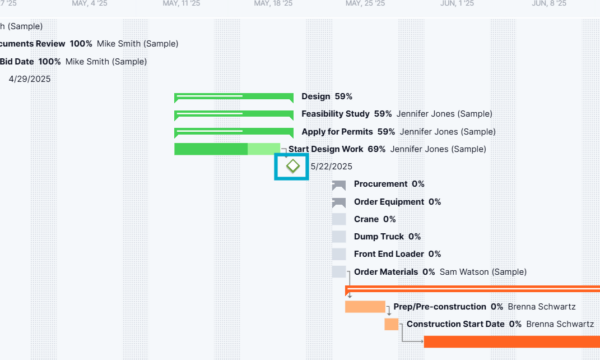
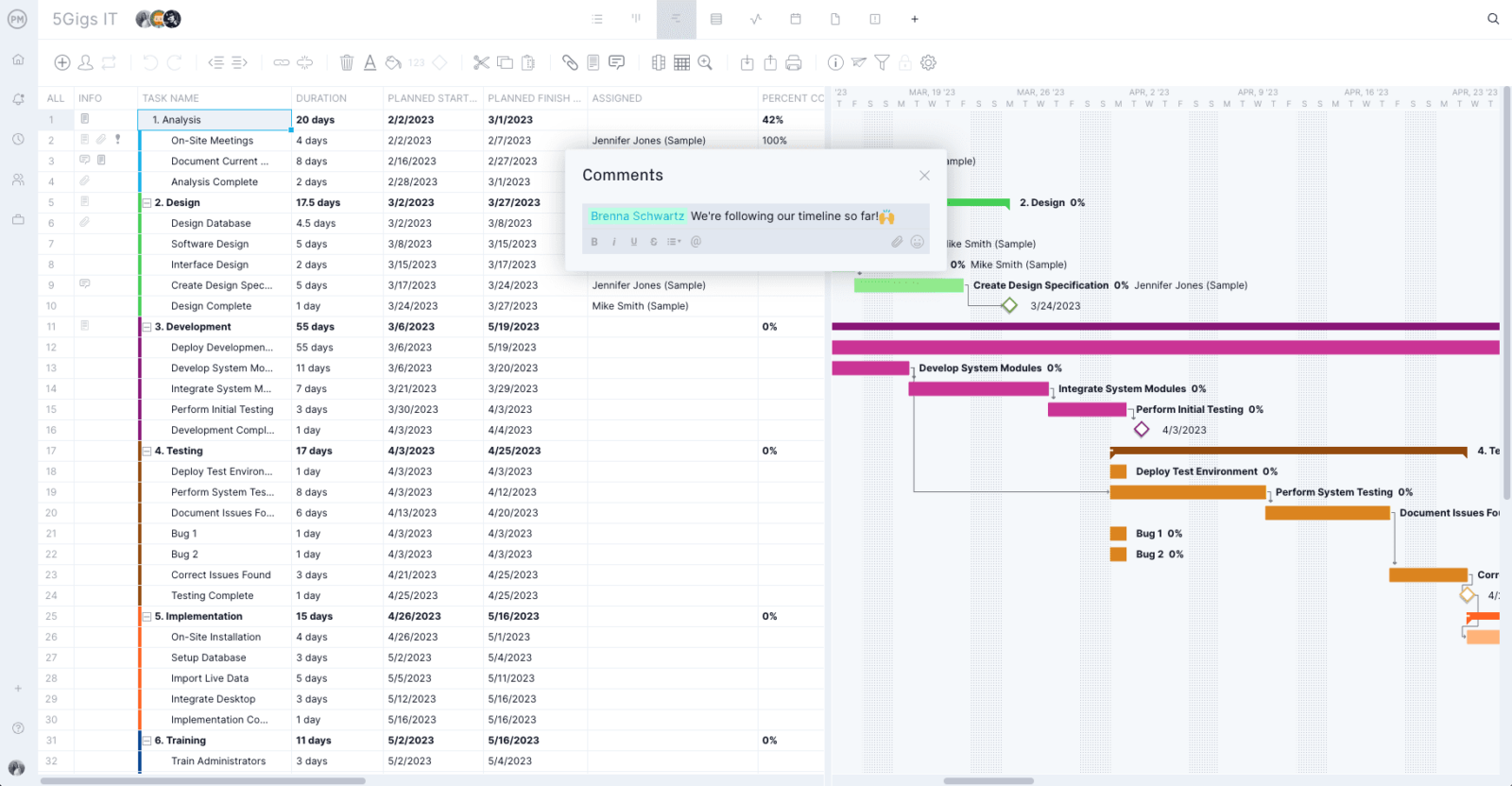
One of the most popular project views to keep stakeholders informed is the Gantt chart. It’s visual and intuitive, making it easy to see when key deliverables are planned, what tasks are dependent on others and roughly when things will be done. If other stakeholders prefer a list, board or calendar, they can work in the way that’s best for them. Regardless of the view used, all project data remains consistent across the software.
Guest Access & Real-time Collaboration
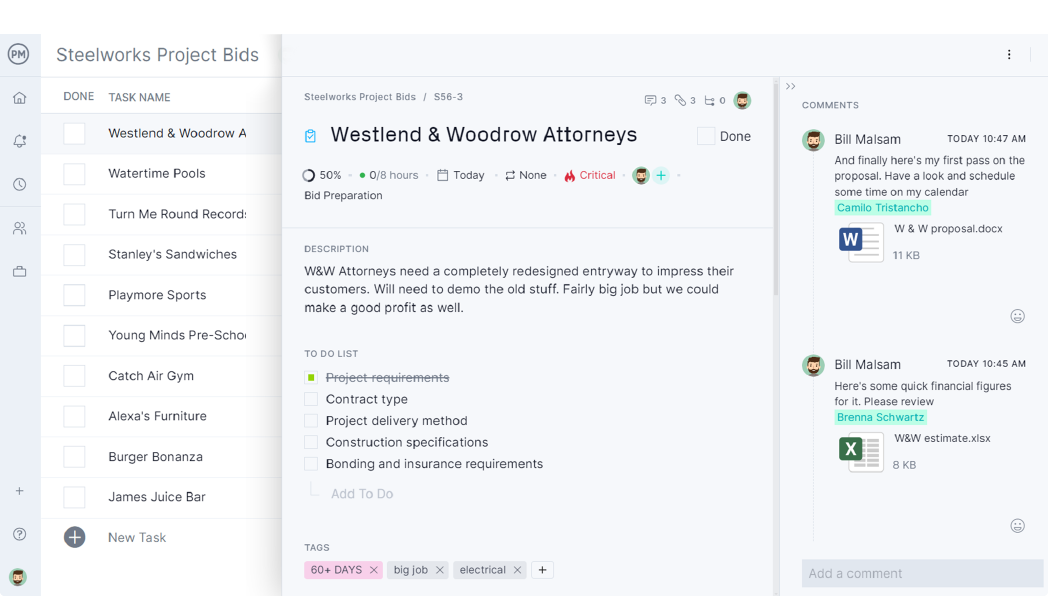
Built-in messaging and discussion features keep communication contextual and tied to the work. We also provide unlimited guest licenses that provide read-only access to certain project data. This means that if certain stakeholders such as vendors, clients, or external partners don’t need full editing rights, they can still view dashboards, reports and project status. Keep your stakeholders in the loop on important data without overwhelming them with details.
Related Stakeholder Collaboration and Communication Content
ProjectManager is online project and portfolio management software that connects teams, whether they’re in the office or out in the field. They can share files, comment on tasks and stay updated with email and in-app notifications. Get started with ProjectManager today for free.