

First up, we should explain for younger readers that a stamp is something you used to put on the physical version of an email, back in the olden days, when you wanted to message someone.
Parcel delivery business Australian Post, which has a side hustle scrunching letters into a mailbox at your house every few days, is still making stamps, announcing a Lunar New Year stamps designed by Sydney artist Chrissy Lau.
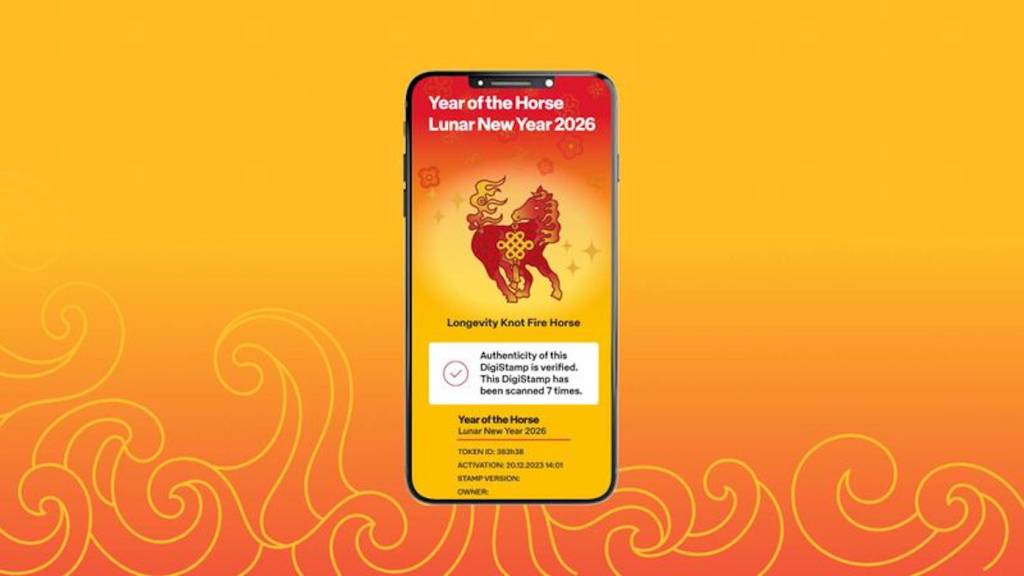
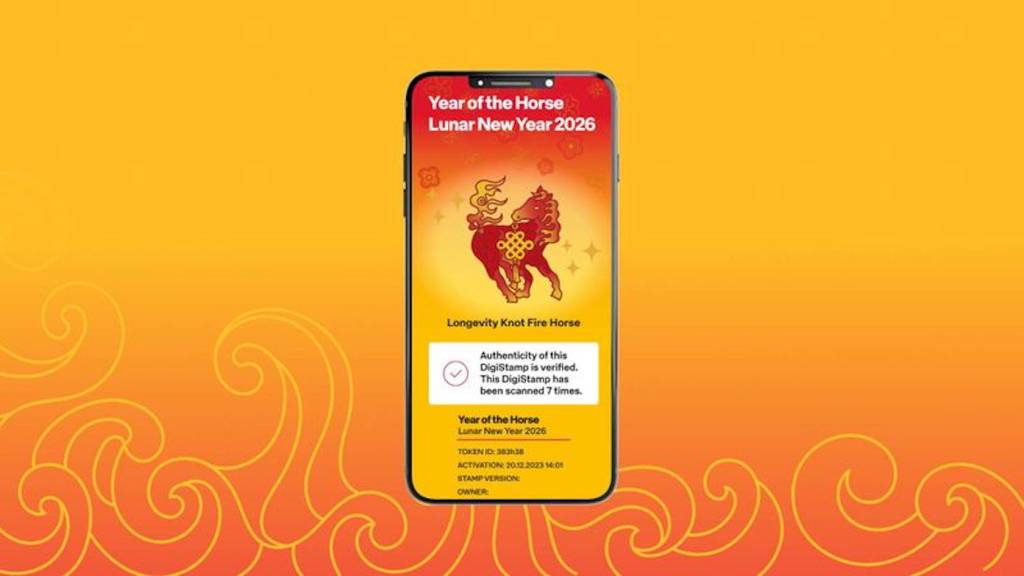
The government-owned business, best known for stores with long queues of people standing between rows of cheap tat, waiting to post things, has also discovered blockchain and NFTs, releasing a “DigiStamp” to mark the Year of the Horse.
It’s “a modern evolution of stamp collecting, blending Australia Post’s rich philatelic heritage with a new digital experience for collectors” giving them “the opportunity to own a Lunar New Year digital token for the first time in Australia Post’s 216-year history,” the company says.
As a lapsed philatelist – feel free to make us an offer on the 1982 collection of Australian stamps featuring the Brisbane Commonwealth Games, the 50th anniversary of the ABC, roses, whales, the opening of the National Gallery in Canberra, and an Australia Day stamp titled The Immigrants, which includes an Aboriginal man as part of “three great waves of immigration” – we admire the organisation’s faith that stamp collecting is still a thing. Or perhaps their thinking is based on the fact that people are now paying $80 for vinyl records, so stamps are overdue for a comeback. The price of postage is certainly approaching the cost of an album.
And in case you’ve forgotten what happened after 2021, when non-fungible tokens provided great entertainment as rich wankers fought over acquiring Bored Ape Yacht Club NFTs for hundreds of thousands of dollars, five years on, they’ve lost 95-99% of their value.
TL;DR: NFTs are the digital version of the cricket memorabilia Tony Greig used to flog on Nine’s test match coverage, and equally worthless.
‘A defining moment’
Anyway, the DigiStamp pairs with an actual postage stamp with a secure digital counterpart on the blockchain, activated by scanning a QR code on the back of the stamp card. The digital token “is displayed online as a unique collectable, designed to create a seamless collecting experience without needing to download an app, create an account or set up a digital wallet”, Australia Post says.
GM of retail product Kayla Le Cornu, said DigiStamps “marks a defining moment in the history of collecting”.
“By blending a centuries-old tradition with digital innovation, ‘DigiStamps’ are a tangible example of how Australia Post continues to modernise as a 21st-century, digitally enabled postal operator,” she said.
“This evolution builds on our long legacy while reimagining how collecting can look today.”
Most Australians would probably be more impressed if the digitally enabled postal operator modernised to deliver mail and parcels to the correct address in a timely fashion, but perhaps that notion is a little too old-fashioned.
Last week, Australia Post revealed it wants to increase the cost of posting a letter by 15 cents to $1.85 in mid 2026, blaming ongoing financial losses in the letters division.
Nevertheless, if you’re keen to add DigiStamps to your collection of NFTs featuring Grimes and Beeple, a Jack Dorsey tweet and Senator Andrew Bragg, then they’ll go on sale in March for $15 each.