Post Preview
Key Takeaways
- Strategic carrier partnerships can lead to substantial reductions in shipping costs.
- Collaborations with third-party logistics providers (3PLs) offer access to discounted rates and streamlined operations.
- Utilizing shipping software can optimize carrier selection and enhance cost efficiency.
Managing shipping expenses has become a critical concern for businesses that rely on consistent product movement. One of the most effective ways to address rising logistics costs is through strategic carrier partnerships, which allow companies to align shipping volume, service levels, and negotiated agreements with multiple transportation providers. Instead of relying on a single carrier or ad hoc pricing, businesses can build structured relationships that improve predictability and cost efficiency while maintaining service reliability across different shipping needs.
These partnerships often provide access to negotiated discounts, flexible service options, and data-driven rate optimization that supports long-term planning. In many cases, businesses compare contract tiers and performance-based pricing models to identify sustainable savings opportunities, including UPS rates that actually work for small to medium businesses. By evaluating carrier performance alongside cost structures, organizations can make more informed decisions that balance affordability with delivery expectations without compromising operational consistency.
Negotiate Volume-Based Discounts
Many carriers offer better pricing terms for higher shipment volumes. By consolidating shipments and committing to larger, predictable volumes, businesses gain the leverage needed to negotiate discounts. According to a 2025 Drewry study, freight forwarders who regularly work with carriers see average rates 14-20% below market spot prices. Arranging for volume-based discounts involves preparing accurate shipment forecasts and collaborating closely with sales and purchasing teams to identify stable shipping flows. This method not only helps reduce immediate costs but also supports long-term budgeting and planning within the organization.
Leverage Third-Party Logistics (3PL) Providers
Engaging with 3PL providers can lead to shipping savings and simplified operations. These companies often already have established relationships with several carriers and can access group discounts unavailable to individual shippers. By entrusting logistics to a 3PL, businesses gain economies of scale, reduce administrative tasks, and free up internal resources to focus on growth rather than daily shipping challenges. In addition, 3PLs can support rapid fulfillment and flexible service offerings, giving businesses an edge in meeting diverse customer demands.
Utilize Shipping Software for Rate Comparison
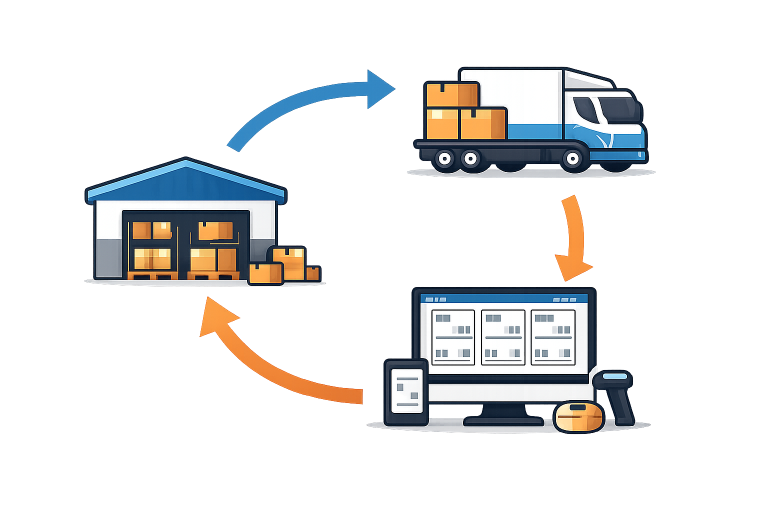
With a variety of carriers in the market, it can be challenging to secure the best rate for each shipment without technology. Shipping software enables real-time comparison of shipping rates across carriers and automates label creation, tracking, and reporting. Programs such as ShipStation and Shippo not only streamline logistics operations but also help avoid costly manual errors and ensure compliance with shipping regulations. By continuously evaluating rate options before each shipment, companies maximize savings while boosting reliability and efficiency in their supply chain.
Explore Regional Carriers
National carriers are not always the most cost-effective solution, especially for shipments confined to specific geographies. Regional carriers often offer lower rates and faster delivery times for local orders. These specialized carriers can be more flexible, offer more competitive pricing in certain delivery zones, and provide higher service levels due to their focused area coverage. Incorporating regional carriers into the shipping strategy can help businesses meet customer expectations for speed and cost.
Implement Carrier Diversification
Dependence on a single carrier can slow operations and reduce leverage during contract negotiations. Diversifying across multiple shipping partners allows businesses to distribute risk, maintain continuous service during disruptions, and negotiate more favorable terms. Larger retailers are increasingly adopting this model, optimizing their carrier relationships based on package size, destination, and speed. This approach fosters agility and can lead to incremental savings as carriers compete for a greater share of the business.
Regularly Review and Optimize Shipping Strategies
The shipping sector evolves rapidly, with market rates and carrier offerings subject to consistent change. Regular reviews of shipping agreements, performance metrics, and customer feedback help ensure that existing strategies remain competitive. A structured approach to performance evaluation and renegotiation provides companies with the flexibility to update their shipping partners as circumstances or priorities shift. This cycle of ongoing optimization is necessary to capture new savings opportunities and maintain strong carrier relationships.
Conclusion
Proactively managing carrier relationships is essential for long-term cost reduction in shipping. Whether through direct negotiations for volume-based discounts, leveraging 3PL providers’ infrastructure, deploying advanced shipping software, or including regional and multiple carriers in the logistics mix, every step helps businesses control expenses and deliver added value to customers. Continually reviewing and refining strategies ensures businesses remain agile, efficient, and profitable despite fluctuations in the shipping landscape.
Post HTML