

Employee well-being is integral to the long-term health of any company, especially for small businesses competing in a dynamic market. Offering small business dental insurance is more than a perk. It serves as a strategic tool to attract and retain talent, boost overall productivity, and reduce healthcare costs. For many business owners, dental benefits often become a distinguishing feature that demonstrates commitment to employee health and satisfaction.
Beyond competitive salaries, employees increasingly expect supplementary coverage as part of a comprehensive benefits package. Dental insurance, in particular, remains a sought-after benefit due to its impact on preventive care and potential for long-term savings. Incorporating dental coverage can be a practical, cost-effective investment that pays dividends for both employers and their team members.
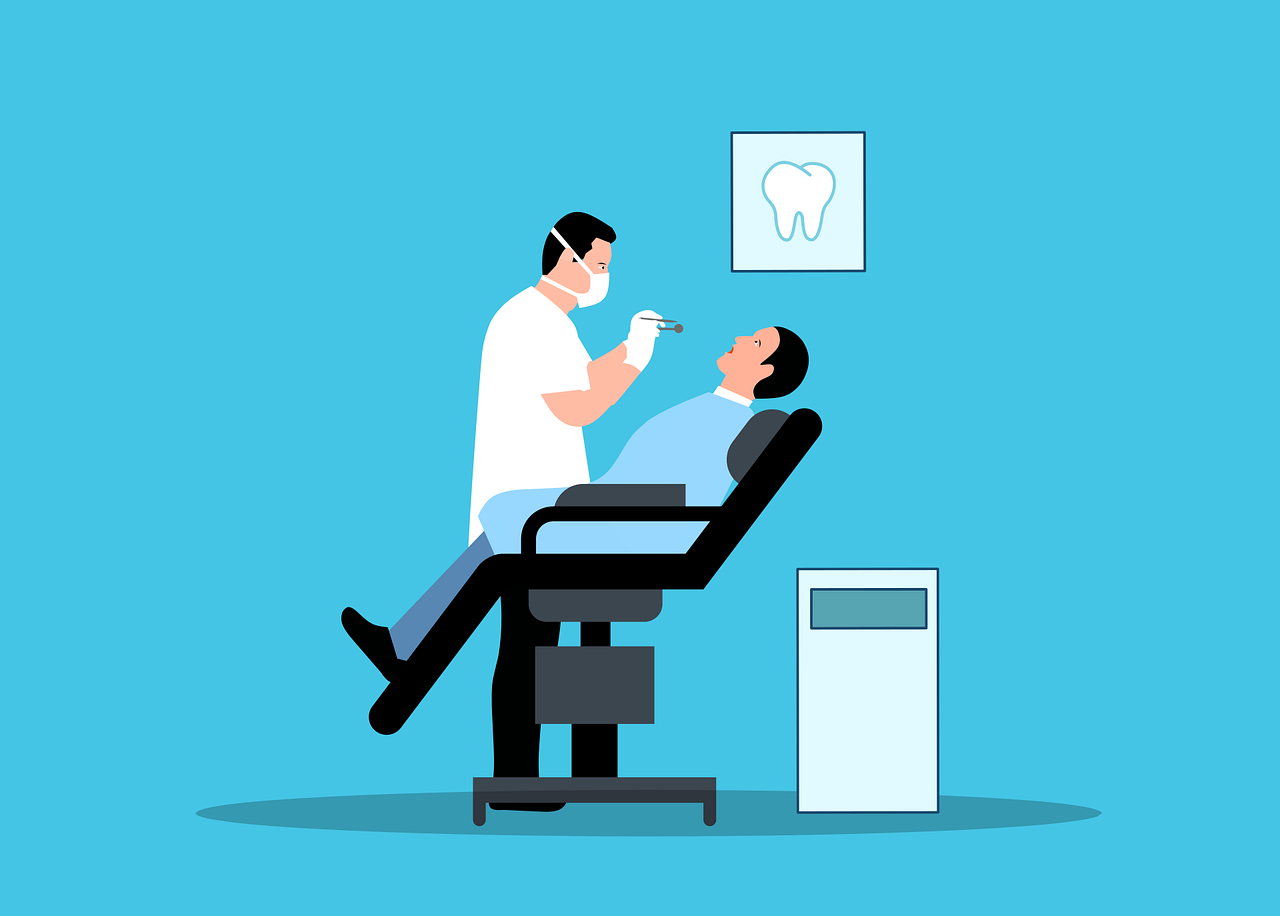
Access to quality dental care helps employees maintain good oral health, which is closely tied to their overall wellness. By providing coverage for regular checkups and cleanings, businesses create an environment where preventive care is both accessible and encouraged. The organizational benefits are clear: fewer sick days, improved morale, and greater productivity all stem from a healthy workforce.
Small businesses, often limited by tighter budgets and fewer HR resources than larger organizations, may question the feasibility. However, dental benefits can be modified, scaled, and implemented efficiently without breaking the bank. The result is a happier, more loyal workforce and a workplace culture centered on holistic well-being. When employees recognize that their employer genuinely values their health and provides tangible support through benefits, the sense of community and trust within the company is substantially strengthened.
Boosting Employee Health and Productivity
The link between oral health and systemic health is well established. Poor dental care has been associated with serious medical conditions such as heart disease and diabetes. Regular dental visits help catch these issues before they escalate, as dentists can often identify signs of broader health problems during routine exams. Employees with dental coverage are more likely to use preventive care, leading to a healthier team and fewer unplanned absences due to illness.
According to the American Dental Association, preventive dental care reduces the likelihood of dental emergencies and prolongs overall health, which translates into more consistent workplace attendance and efficiency. Addressing dental concerns early minimizes pain-related distractions and decreases the need for costly treatments, making it easier for employees to stay focused and productive.
Enhancing Talent Attraction and Retention
In today’s competitive hiring environment, talented candidates weigh a range of factors when considering job offers. Benefits often play a deciding role, and dental coverage stands out as a highly valued component. Many employees view employer-sponsored dental plans as a marker of stability and genuine investment in their well-being. This can give small businesses an edge in both hiring and retaining top performers.
Retention is equally critical. Employees who feel their health needs are being addressed are less likely to seek new opportunities elsewhere. By offering dental benefits, businesses foster loyalty and long-term satisfaction. This culture of care can reduce turnover, thereby lowering the costs and disruptions associated with employee replacement and retraining. For further insight on the importance of robust benefits packages, see the Society for Human Resource Management’s guide. When top talent sees a commitment to well-being, your reputation as a responsible employer increases, leading to improved word-of-mouth referrals and a stronger overall brand in the eyes of potential new hires.
Cost-Effectiveness of Dental Benefits
Dental insurance isn’t just a luxury for large corporations. Many reputable providers offer flexible plans fit to the size and needs of small businesses, with different coverage levels and cost-sharing arrangements. By selecting plans focused on preventive care, employers can minimize monthly premiums while still ensuring comprehensive support for their team.
Untreated dental issues can lead to serious infections and costly medical interventions. In the long run, the small monthly investment in dental insurance can save companies substantial amounts by reducing claims on broader healthcare plans. This aspect of cost control is especially crucial for small companies operating with slim margins. More information on how dental health can save your business money can be found in this Forbes analysis. Keeping insurance expenses manageable while still providing beneficial coverage empowers small business owners to deliver competitive benefits without undue financial stress.
Implementing Dental Benefits in Small Businesses
Success starts with understanding your workforce. Begin by surveying employees to identify their preferences, expectations, and coverage needs. This step ensures any plan you choose will address genuine employee concerns, making the transition smooth and well-received. Next, research plan options, group dental insurance, indemnity plans, or even dental discount programs, based on the budget and coverage requirements that surface from your survey. Including staff feedback in the decision-making process can build enthusiasm for the new benefits and increase staff’s likelihood of enrolling once dental coverage becomes available.
Partner with the Right Provider
Find a reputable insurance provider with a solid track record of supporting small businesses. The ideal partner will offer responsive customer service, transparent pricing, and a clear explanation of benefits. Establishing this relationship is crucial for ensuring both the employer and employees get the most out of the new plan. Be prepared to ask questions about flexibility, support, and options for modification when choosing a provider.
Communicate the Details
Clear and timely communication is the final step in rolling out a successful dental benefits program. Host information sessions, distribute FAQs, and streamline the enrollment process so employees can participate hassle-free. Ensuring your team knows how to use their benefits and why they matter will optimize both uptake and impact. Regularly revisiting benefit education keeps employees informed about their options and encourages the use of preventative services throughout the year, contributing to positive health outcomes and overall satisfaction.
Offering dental benefits bolsters small businesses in more ways than one. It enhances health, helps attract and retain talented workers, and keeps long-term costs under control. With the right approach, implementing dental insurance can be a straightforward process that builds a stronger, healthier, and more loyal workforce.