


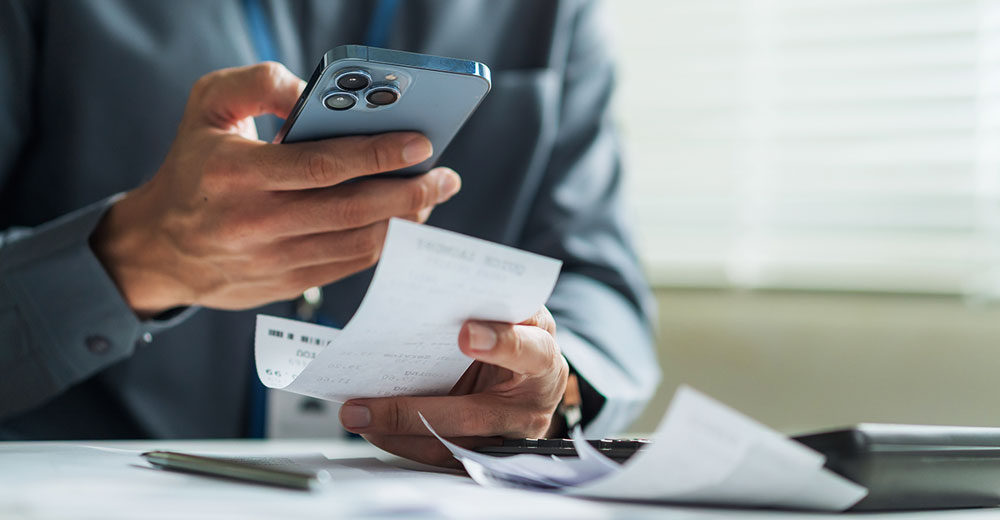
Generative AI is giving employees a new way to fabricate expense receipts, creating a growing fraud challenge for corporate finance departments.
New data from expense-auditing firm AppZen suggests AI image generators are rapidly replacing older methods of creating fake receipts while making them easier to produce at scale.
According to AppZen, its systems detected 1,471 AI-generated receipts submitted by 745 employees at 174 companies during the 12 months ending May 15, 2026. About one-third of those employees submitted AI-generated receipts more than once.
The share of fake receipts AppZen identified as AI-generated rose from 0% in March 2025 to 70.8% by mid-May 2026. Those receipts represented $148,143 in claimed expenses.
AppZen detected AI-generated receipts across multiple industries and countries. At one Fortune 10 company, 142 employees across 22 countries submitted 340 such receipts representing $34,953 in expense claims.
The fabricated documents extend beyond restaurant and travel receipts. At one U.S. company, AppZen detected four AI-generated AT&T and Xfinity monthly bills submitted to support telecom expense claims. At a European industrial company, 29 employees submitted AI-generated receipts across 31 expense reports, representing $4,481 in claims.
“Aiming small is the trick. If a claim sits under the auto-approval line, no human ever looks at it,” AppZen CTO Kunal Verma told the E-Commerce Times.
Image Generators Replace Fake-Receipt Templates
Fake-receipt websites are not new. For years, they have sold templates that can be altered to support expense claims. What changed, according to AppZen, was the arrival of widely available image generators capable of producing convincing receipts almost instantly.
Verma attributed the increase to improvements in consumer AI image generators that have made convincing fake receipts easier to create.
“The folks doing this were mostly already faking receipts; they used to buy templates off sketchy ‘lost receipt’ sites for five or ten bucks,” he said.
AppZen’s data supports that change. More than a year ago, template-based fakes accounted for 95% to 100% of the fake receipts AppZen detected; by mid-May 2026, their share had fallen to 29%.
Small Claims Target Auto-Approval Thresholds
The AI-generated receipts AppZen detected had a median claim value of $32, a pattern the company says is consistent with attempts to stay below corporate auto-approval thresholds.

The average was about $101, reflecting a smaller number of higher-value claims. By comparison, receipts created with older fake-template services averaged $182.
“AI basically flipped the game from one fake big enough to be worth the risk to a pile of tiny ones nobody bothers to review. It’s a pretty direct sign that auto-approval thresholds, meant to save reviewers time, have become the thing people are gaming,” Verma said.
AppZen has also detected attempts to make AI-generated receipts appear more authentic. In one case, a submitted restaurant receipt included a forged CamScanner watermark and handwritten signature designed to resemble a document-scanner export.
AppZen says convincing AI-generated receipts make visual inspection alone less reliable, so its detection system combines multiple signals rather than relying solely on how authentic a receipt appears.
“An image may look believable but contain an incorrect tax percentage or numbers that don’t add up properly. Looking harder doesn’t help anymore,” he said.
How Layered Detection Finds Fakes
AppZen uses AI to automate accounts-payable and expense-management auditing for corporate finance departments. Its platform analyzes receipts and invoices for duplicate submissions, policy violations, suspicious documentation, and other anomalies.
Verma said better image generators do not necessarily defeat detection because AppZen does not rely on visual anomalies or image metadata alone.
“Our Mastermind AI models work together, creating a platform of checks and balances. Where one model might miss a forgery, another catches it. This layered defense system is crucial because there’s no single silver bullet for detecting the latest AI-generated fakes,” he explained.
The system checks for indicators associated with known forgery tools and AI-generated images, along with inconsistencies within the receipt itself. It also looks for altered versions of previously submitted receipts designed to circumvent conventional duplicate checks.
“We also apply merchant pattern recognition. By analyzing millions of legitimate receipts, we can identify when a receipt deviates from a merchant’s standard format,” Verma said.
Looking Beyond the Receipt
AppZen also analyzes broader spending patterns, including activity across merchants and vendors that may indicate unusual behavior.
The platform can compare employee spending with peer patterns and cross-reference receipts against purchasing data and historical transactions to identify anomalies that warrant additional scrutiny.
AppZen cautioned that its figures represent detected AI-generated documentation, not confirmed financial losses. Some receipts may have been fabricated to document legitimate expenses, and whether flagged claims were ultimately reimbursed depends on each customer’s review and approval process.
As AI-generated receipts become more convincing, Verma expects detection to depend more heavily on signals beyond the document’s appearance, including merchant patterns, transaction history, and employee spending behavior.