



Key Takeaways:
- Compliance keeps a business legal; culture keeps safe habits visible when service gets hectic, or staffing runs thin.
- Small hospitality teams do better when expectations are simple, easily repeatable, and built into daily routines.
- Managers set the standard. Follow-through, coaching, and consistency are key.
- Training works better when it feels practical, role-specific, and tied to real work on the floor.
For many hospitality businesses, food safety starts as a requirement. The certificate gets printed, the binder goes on a shelf, and everybody gets back to chasing tickets. That may satisfy paperwork, but it often falls apart when the kitchen gets hot, and everyone assumes somebody else checked the cooler temp.
A food safety-first team can’t depend on memory, luck, or one especially careful employee. It needs habits that hold through turnover, busy weekends, and the shortcuts people justify in the moment. This shift matters, especially for owner-operators, family-run restaurants, bars, hotels, food trucks, and other lean hospitality businesses.
Compliance Is the Baseline, Not the Goal
Compliance has real value: it gives operators a baseline, a shared set of rules, and documented proof that required training happened, because it did! Food Manager training, Food Handler training and certification, and Responsible Vendor of Alcohol programs help establish that.
Still, a certificate alone cannot stop cross-contact during prep. It cannot make a tired employee wash their hands after taking out the trash. It cannot fix bad habits that emerge when the dining room is full and tickets keep piling up. It is, however, an important step in the right direction.
Culture: Filling the Space Between Training and Real Life
In a healthy operation, food safety is not treated like a separate project. It sits inside the everyday rhythm of service. Staff members know what “done right” looks like before a manager has to step in. Supervisors correct issues early, not after a guest complaint. New employees learn fast that safe habits are part of how the team works, not a technicality for inspection week.
What Food Safety Culture Looks Like in Real Life
It usually shows up in small moments.
It looks like a shift lead catching a glove change issue and addressing it without drama. It sounds like a manager asking a new employee to explain a holding procedure back in their own words instead of just nodding through orientation. It feels like a team that knows where sanitizer buckets belong because that standard gets reinforced every day, not once a quarter.
Small hospitality businesses often have an edge. They may not have big HR departments or full training teams, but they do have proximity. Owners are closer to the floor. Managers see patterns sooner.
That said, small teams also face sharper pressure points:
- Higher turnover can unravel consistency fast.
- Cross-trained staff can blur accountability.
- Peak service periods make shortcuts feel tempting.
- Informal communication can leave too much open to interpretation.
Culture grows when those realities are acknowledged instead of ignored.
The Difference Between Knowing and Doing
Most hospitality employees know the rules. The harder part is following them at the right time, over and over, when they are rushed or frustrated. Owners who want stronger food safety outcomes have to focus on behavior design, not just information delivery.
A useful question is this: what makes the safe choice the easy choice? Sometimes the answer is operational. Labeling tools need to be within reach. Hand sinks cannot be blocked by storage. Prep stations have to be stocked before the rush, not halfway through it. If the setup fights the standard, people start improvising.
In other cases, the answer is social. Staff follow what the team rewards, what managers notice, and what experienced employees model for new people. If senior workers skip steps without consequence, the posted policy loses credibility in about five minutes.
Four Ways Small Teams Make Food Safety Stick
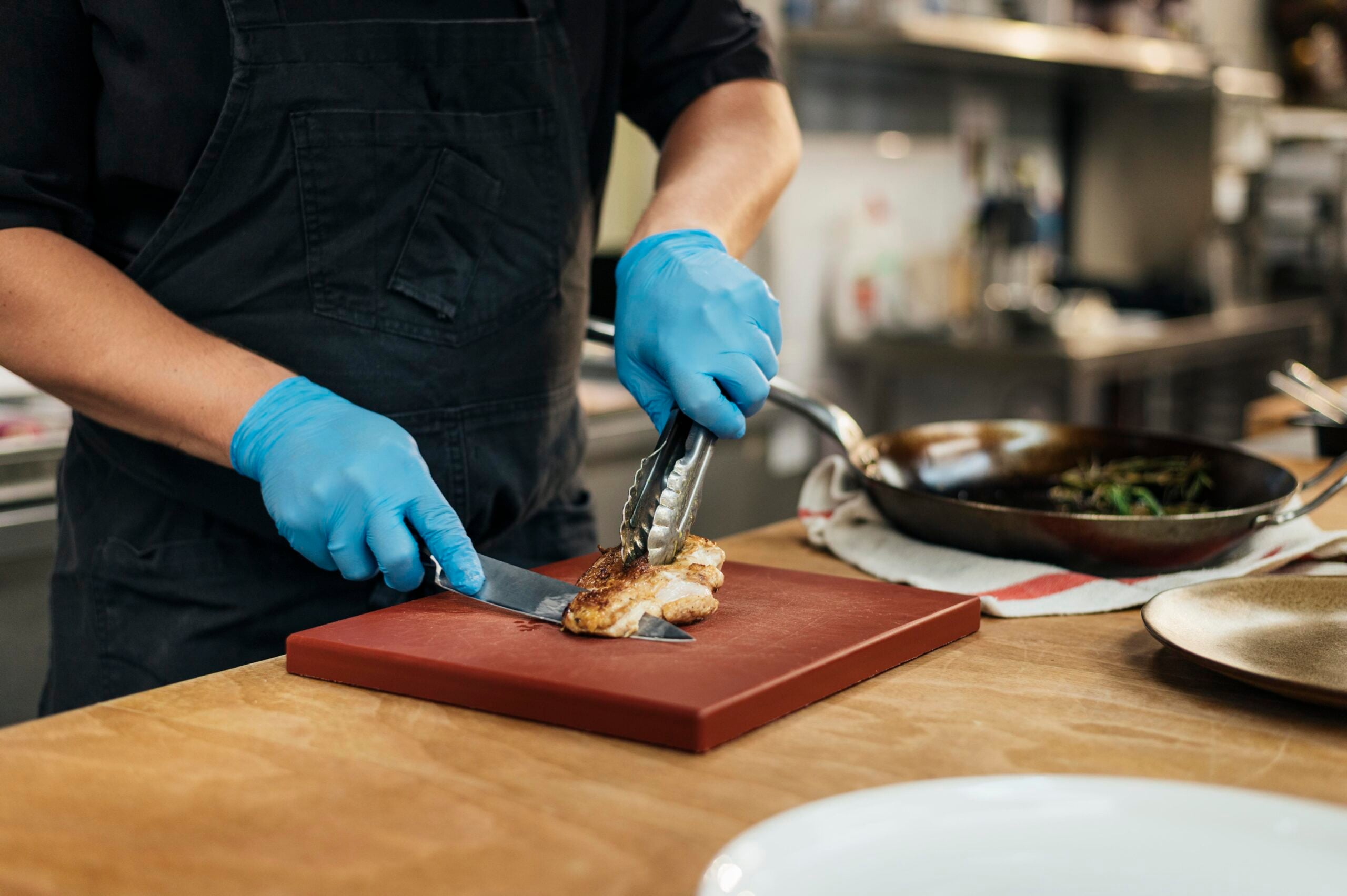
Operators do not need a massive training department. They need repeatable systems that fit the pace of hospitality work.
1. Turn standards into short, visible routines
Long policy manuals have their place, but they rarely drive behavior during service. Teams remember short routines better. Opening checks, line checks, handoff checks, and end-of-shift resets create routine moments when food safety moves from theory into action.
For example, every opening shift can start with a brief checklist:
- Verify temperatures and storage conditions.
- Confirm sanitizer setup and test strips.
- Review role assignments and known risk points for the day.
That takes a few minutes, not half the morning, and it creates a consistent starting line.
2. Coach in the moment
Correcting unsafe behavior hours later is rarely effective. The context is gone and the lesson feels vague. Stronger teams coach in real time. Not harshly. Just clearly.
A quick correction like, “Pause there, wash first, then come back to the station,” teaches more than a generic lecture at pre-shift ever will. So does explaining the why. People follow standards more reliably when they understand the consequences behind them.
3. Build training around roles, not generic lectures
A host, a line cook, a manager, and a beverage server do not face the same risks. Training works better when it matches the job.
Useful role-based reinforcement can include:
- Scenario examples tied to the station where someone actually works
- Short refreshers after near-misses or recurring mistakes
- Simple follow-up questions that confirm understanding instead of passive attendance
And yes, formal training still matters. The point is to connect it to the floor.
4. Make accountability normal, not personal
Food safety culture weakens when correction feels personal. Teams do better when standards are framed as shared responsibilities. The goal is not to shame people. It is to protect guests, coworkers, and the business.
That often means managers need to separate identity from action. “That storage setup is off” lands better than “You are careless.” It also means leaders need to accept corrections themselves. If the owner cuts corners, everybody notices.

We earn a commission if you make a purchase, at no additional cost to you.
We earn a commission if you make a purchase, at no additional cost to you.
Managers Create the Emotional Climate
Policies matter, but management behavior matters more.
Staff watch what leaders tolerate. They notice when a supervisor overlooks the same issue three times because the line is backed up. They notice when training gets shortened for convenience. They notice when one employee gets coached, and another gets a pass. Culture is built through repetition and fairness.
In practical terms, food safety-first leadership usually means a few consistent behaviors:
- Expectations are stated plainly
- Corrections happen early
- Retraining is normal when standards slip
- Strong habits get acknowledged, not taken for granted
That does not require a stiff or corporate tone. Smaller businesses usually respond better to a direct, steady style that feels human.
Why Guest Trust Is Part of the Equation
Food safety conversations often stay trapped in the back of house, but guests experience the results everywhere. They see how clean a service station looks. They notice if staff appear organized or chaotic. They pick up on confidence, or the lack of it.
A business does not need a public incident for weak habits to hurt the brand. Sometimes it is slower than that: inconsistent experiences, a bad review that mentions cleanliness, a regular who starts wondering if standards slip when nobody is watching.
That is one reason food safety culture belongs in the bigger conversation about hospitality and how internal culture shapes customer experience.
Build a Better System Without Making It Complicated
Small operators do not need to copy the training infrastructure of a giant chain. They need a system people can actually sustain.
A smart starting point is simple:
- Identify the three to five food safety habits that matter most in daily service
- Decide when those habits should be checked and by whom
- Train managers to coach the same way every time
- Revisit weak spots before they become “just how things are.”
That kind of consistency often separates a merely compliant team from a reliable one.
Training partners can help, especially when they understand how hospitality businesses actually function. But even the best training only lasts if managers reinforce it after the session ends.
Culture Is Built on Ordinary Days
The strongest food safety teams are not impressive only during audits. They are steady on random Tuesdays, understaffed Saturdays, and those annoying shifts when everything seems to happen at once.
Steadiness doesn’t come from slogans. It comes from repetition, clarity, and leadership, all of which treat food safety as part of the job rather than an interruption. A food safety-first culture does not require perfection. It requires consistency, training, and a team that sees safe habits as part of doing the job well. And once that mindset takes hold, compliance stops being the whole story. It becomes the starting point.
Image by Drazen Zigic on Magnific