

One of my favorite things about running Making Sense of Cents is getting to share unique ways people are making money and designing a life they love. Today’s guest, Rosie Bell, has built a really interesting career as a travel journalist, and she’s been able to see the world in a way that most people…
One of my favorite things about running Making Sense of Cents is getting to share unique ways people are making money and designing a life they love. Today’s guest, Rosie Bell, has built a really interesting career as a travel journalist, and she’s been able to see the world in a way that most people only dream about. Rosie has contributed to over 30 publications, including BBC Travel, Condé Nast Traveler, Fodor’s Travel, and Lonely Planet. Instead of paying full price for trips, she’s used her writing skills to save over $115,000 in travel costs while also earning income along the way. In this article, she’s sharing how she got started, what it’s really like to get paid to travel, and different ways you can use your own skills to make travel more affordable too.
My skills, not earnings or savings, have helped me see the world, traveling by private plane, yacht, helicopter, and even a school bus converted into a ferry. As a freelance travel journalist, I have managed to save over $115,000 in travel expenses by leveraging my writing skills and industry knowledge.
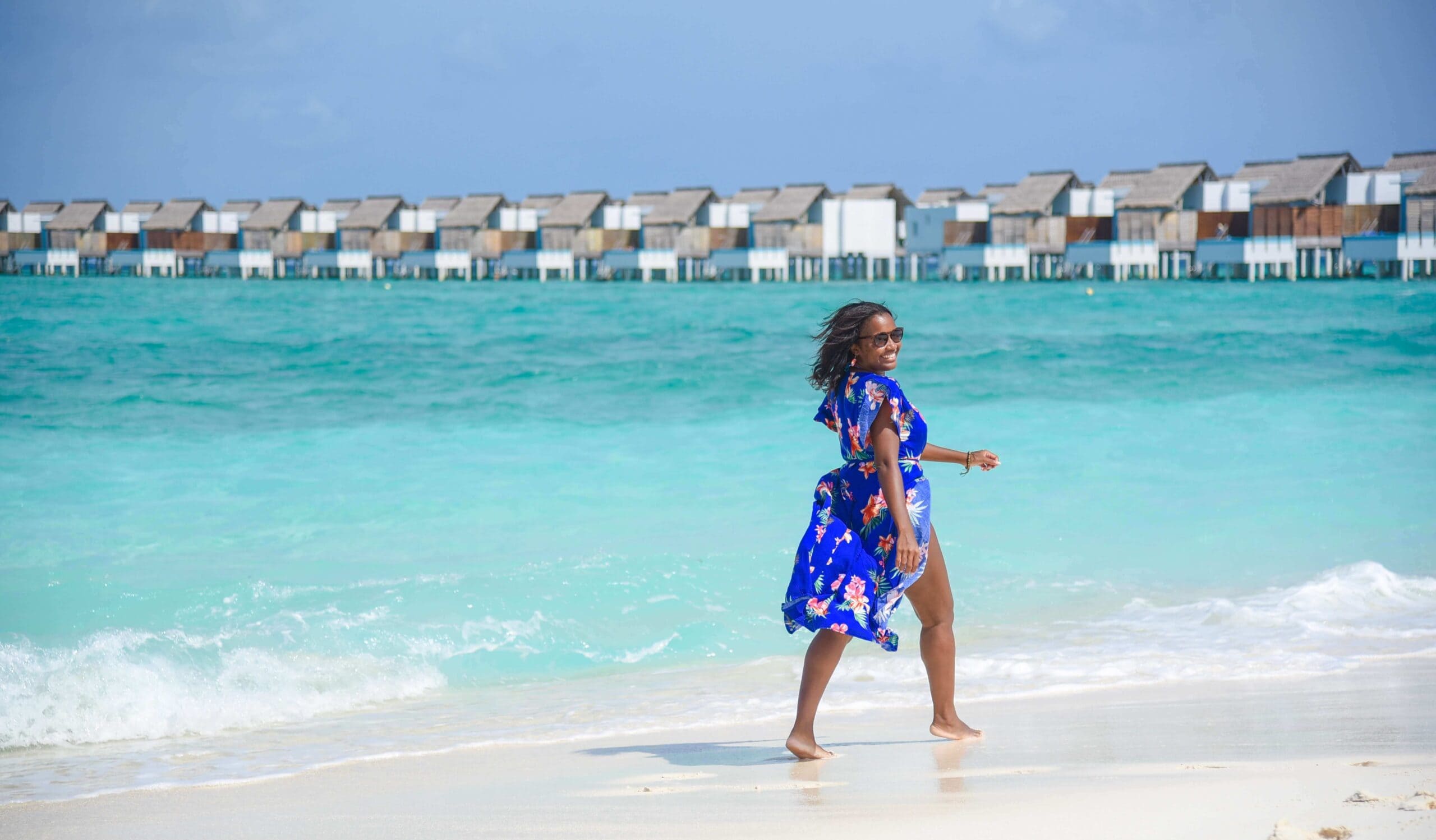
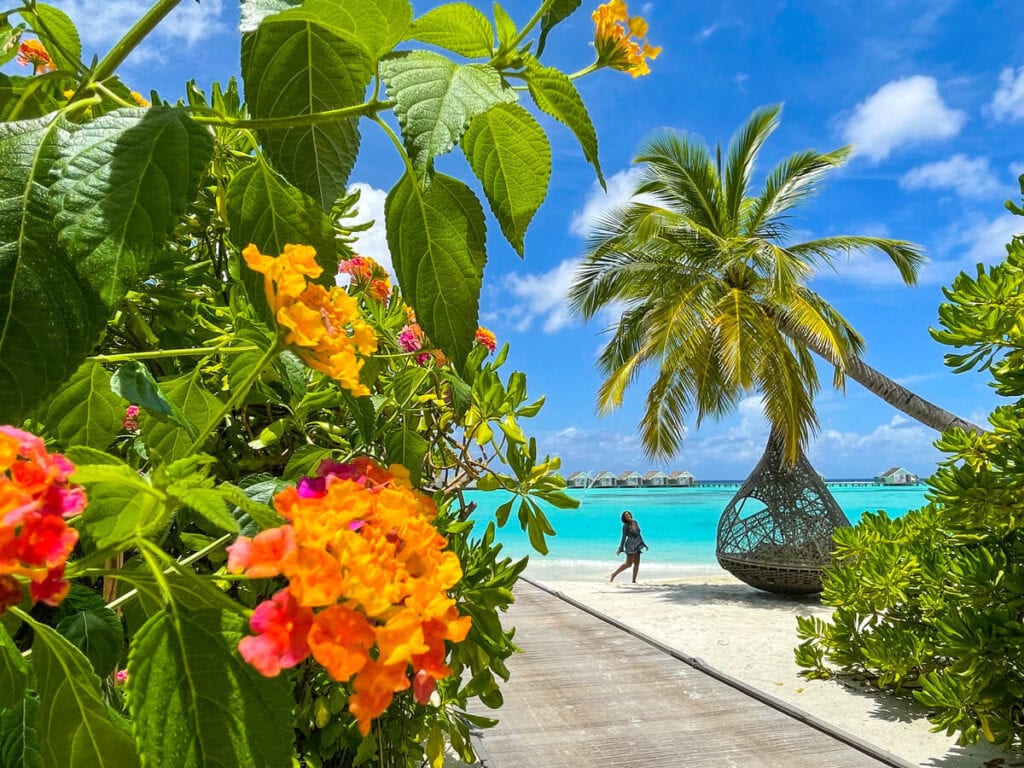
This career has allowed me to live out my wildest travel dreams and tick off bucket-list experiences like over-the-water bungalows in the Maldives and sailing in the cerulean waters of the Caribbean.
In this article, I will break down the financial reality of travel journalism, outline my own path into the industry, offer guidance for early-stage writers, and provide inspiration for ways to make your travels pay.
Note from Making Sense of Cents: If you’re interested in becoming a travel writer, Rosie has a course called Travel Writing 101: How to Build a Full-Time Career as a Travel Writer where she shares what she’s learned from her experience in the industry. It goes into more detail on how to get started, pitch publications, and build a sustainable career.
How I became a travel journalist
My first international trip was when I was three years old. Growing up in a diplomatic family meant that moving between countries and continents was simply part of life. I also attended a school that prioritized learning through travel: museum-hopping in New York for art class, Moscow and St. Petersburg for history, hiking in the Pyrenees to connect with nature, and even tiramisu-making in Venice. I guess it’s no surprise that I ended up being a professional traveler.
My foray into travel journalism was the result of a happy accident, though. In 2017, I left London for Panama after falling in love with the country on a trip through Central America two years earlier. I had just stepped away from running a swimwear brand in London and was looking for a fresh start after a deep-cutting personal loss. I gave myself a year to figure things out, spending much of that time writing my first book, Escape to Self.
While living there, a friend happened to share an open call from World Nomads for essays about life in Panama. I pitched, got the assignment, and was paid $300. That first payment showed me that writing about my life, travels, and perspective could form the basis of a career.
From there, I kept pitching various publications. I had no contacts and no formal journalism training, but being based in Panama gave me a point of view, and over time, that led to commissions from dream publications like Lonely Planet and Forbes Travel Guide.
Though becoming a travel journalist wasn’t part of a lifelong grand plan, it’s a career that suits me perfectly, and a reminder that you don’t have to reinvent the wheel and can make a profession out of things you’re already doing.
Press trips and money-can’t-buy experiences
Organized by tourism boards, PR agencies, hotels, and brands, press trips are professional invitations extended to journalists to experience a destination, property, or offering firsthand. Rather than buying advertising, these organizations are investing in storytelling and trusting that a well-reported piece carries more weight than a paid placement.
Unlike travel content creators, travel journalists are not paid to attend press trips.
Instead, some or all of the costs, flights, accommodation, meals, and experiences are covered, allowing writers to reduce expenses and, in turn, travel more frequently. More travel means more stories, and more stories mean more opportunities to publish and earn money.
Press trips can be one of the most efficient and rewarding elements of a travel journalist’s career. They allow journalists to build relationships within the industry, experience places in ways that would be difficult to arrange independently, and acquaint themselves with more destinations, which is ideal since knowledge is our currency.
What also makes press trips so compelling is the level of access they provide. Doors open that would otherwise remain closed. You might get VIP passes at a festival, private gallery viewings, pre-opening hotel tours, introductions to hard-to-access individuals, or an invitation to a tasting curated specifically for a small group of media.
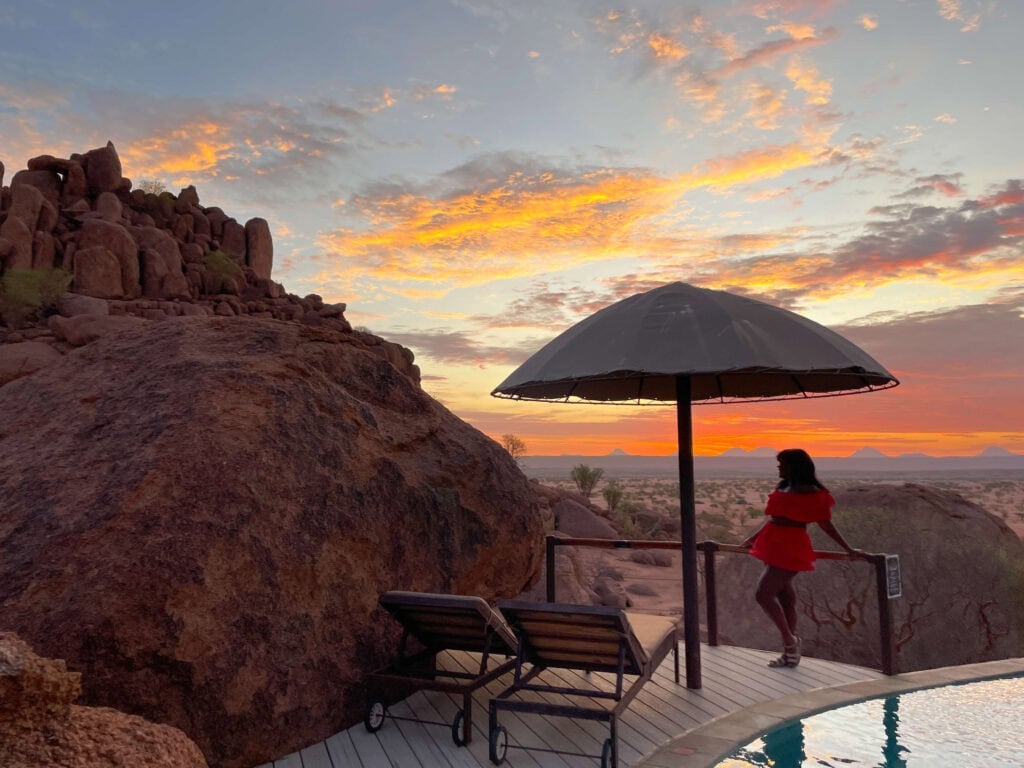
Some of the press trips I have been on have felt surreal. I’ve found myself front row at the Saint Lucia Jazz & Arts Festival being singled out mid-performance by John Legend in a crowd of thousands. I’ve rappelled down waterfalls in Honduras, shared meals with sumo wrestlers in Tokyo, had a flamingo-dotted lake to myself in Bonaire, and unwound on a private island in Turks and Caicos.
In Mexico, I dined on caviar tacos and gold-dusted grasshoppers and had a luxurious spa ritual that bordered on theatrical, where as many as ten people attended to me at once. These are the kinds of extraordinary, immersive, and deeply memorable experiences press trips can unlock, and I don’t take any of it for granted. If I had paid for these trips myself, I would have easily spent well over $115,000.
I feel very passionate about press trips, which is why I created a matchmaking database to help travel media get discovered for more of the press trips they want, and it’s called Press Trip Pros.
What one must remember is that these are not “free” trips. After the journey, a freelance journalist is expected to secure coverage in one (or several) of the publications they contribute to, and that is where their money is made. After going on press trips, I have sold stories to travel publications such as Condé Nast Traveler, Atlas Obscura, and Fodor’s Travel.
How I pivoted during the pandemic
When travel halted in 2020 during the COVID-19 global pandemic, I started hosting virtual travel trivia games via Airbnb Online Experiences and quickly worked my way up to five-figure months. I had corporate bookings from the likes of Google, Apple, Spotify, Etsy, Balenciaga, and LinkedIn, and Business Insider even profiled my event.
However, in June 2024, Airbnb removed all Online Experiences from the platform, leaving me and other hosts without a sizeable source of income. This showed me the danger of relying on one platform or “building your castle on someone else’s land.”
These days, players can book me as a virtual travel trivia host via a platform called Elevent, but also directly on my website. These lucrative online sessions can bring in over $500 per hour, significantly outpacing typical freelance writing rates and providing some stability when media work fluctuates.
How to weather the highs and lows of freelance travel writing
There is a lot of money in travel but it is by no means distributed evenly. Last year at the Signature Travel Network conference in Las Vegas, I met several successful travel advisors who make millions annually, whereas a freelance travel journalist might not reach seven figures during a 20-year span from article-writing for publications alone.
I often say that being a freelance travel journalist is like living a millionaire lifestyle on a backpacker budget, because you may get to rest your head on high-thread-count Egyptian cotton sheets at a $3,000-a-night resort, but get paid $300 to write a story about your stay there for a glossy magazine.
The biggest downside of freelance travel journalism is financial insecurity. Even when you write for high-profile publications, the pay can be surprisingly modest. Your hourly rate also depends on how fast or slow you write and how hands-on the editing process is (some publications have a policy of at least two rounds of edits).
Commissioning budgets fluctuate, assignments aren’t guaranteed, and your income can be inconsistent because you might have gaps between commissions and the various publications you write for have different pay periods. I am very honest about this perilous nature in my online course for would-be travel journalists, Travel Writing 101: How to Build a Full-Time Career as a Travel Writer.
The way to navigate the ebbs and flows is by building a portfolio career and not relying on writing alone. Many travel writers I know have other gigs keeping the lights on, and there’s no shame in that. Diversification is protection and enables you to do the work you love without being entirely at the mercy of an unpredictable industry.
In my case, I have various methods of leveraging my skills, knowledge, and travels beyond freelance writing for publications, including:
- Travel Writing 101: How to Build a Full-Time Career as a Travel Writer: A distillation of everything I wish I knew when I started as a travel journalist into a detailed PDF course of over 220 pages. My course has changed from a video format to a PDF so that I can easily incorporate the rapid changes in the industry. I have welcomed more than 1,500 students into the course over the years.
- Ask me anything sessions: People who want to pick my brain about breaking into travel writing, pitching, PR and media relations, or the destinations I write about can book 30 or 60-minute video calls with me.
- Press Trip Pros: I created the matchmaking database Press Trip Pros to connect travel journalists and travel content creators with organizers of their dream press trips.
- Editing and fact-checking: Proofreading, line editing, developmental editing, and fact-checking for various remote projects.
- Online travel trivia: Individuals and companies book me to host fun travel trivia games for them via my site and a platform called Elevent. I also have a collection of on-demand games for the curious and nerdy to play independently.
- Stock photography: I get royalties for my travel photos that I upload to Getty Images/ iStock. As a result, you can find my travel images published in the likes of USA Today, CNN Travel, The Knot, and more.
- RosieBell.net: I get affiliate commissions from articles on my site where I review hotels through a 7-point, video-first format and break down every destination into a definitive “Top 7.”
- Content marketing: Because I have in-depth knowledge of Panama, I have gotten content marketing gigs to write for companies with Panama outposts, including the luxury Sofitel hotel brand.
- Translations: I have helped clients throughout Latin America translate books and marketing copy from Spanish to English.
- Speaking: I have been booked as a speaker for workshops and presentations everywhere from conferences to international schools.
- Skillshare courses: Once upon a time, I could pay my rent just with passive income from my various Skillshare online courses on writing, pitching, and entrepreneurship. However, a 2022 change in the company’s revenue model means it is much less lucrative for teachers. Again, this was a lesson in not putting your eggs in one basket and relying too heavily on any platform you don’t own or control.
- Ghostwriting: I have ghostwritten entire books as well as articles for time-pressed entrepreneurs seeking eloquent writing with all of the glory but none of the related hassle.
Travel journalism in itself rarely makes you rich, at least not in cash. But what it offers is access, experiences, and the ability to live a life that would otherwise be prohibitively expensive. It’s a profession defined less by what you earn and more by the intangible things you gain.
When you’re a freelance travel journalist, diversifying your income makes you less vulnerable in light of dry spells, stagnating pay rates, and changes being brought on by AI.
The state of travel writing in 2026
According to a 2025 Microsoft study, writers and authors are among the top forty jobs most threatened by AI.
With the introduction of AI Overviews on Google in 2024, many websites have seen click-through to their sites decline, which means reduced traffic and less ad revenue. Therefore, the digital platforms that freelance travel journalists contribute to have smaller budgets to pay writers for stories. Even staff writers are affected by this and there have been several waves of layoffs from big media companies. This means that more staff writers are entering the freelance pool, resulting in more competition for fewer opportunities to have your work published.
Travel bloggers are not exempt from these adverse changes. AI also means that anybody can whip up a 2,000-word blog post detailing what to do in Mexico over three days. There’s a lot of AI slop out there, which tarnishes the overall perceived credibility of travel sites. How does one discern what’s written by a human with lived experience or not? For this reason, I include video tours in my hotel reviews on my site to illustrate that I have genuinely visited the places I am writing about.
Sadly, due to the changes in online publishing, many travel writers are giving up altogether. Some major travel bloggers have sold their sites on Flippa.com and I have noticed others moving into travel planning, for instance.
People have been declaring for years that “blogging is dead,” the same way printed books were predicted to go the way of the dodo in the internet age, but people will always love stories for humans written by humans. Many bloggers are still thriving. What they have done is adapt their SEO and promotional practices, and they have incorporated new services.
Ways to make travel pay
Being able to earn a living from writing about your travels is a tremendously rewarding situation to be in, further sweetened by the fact that this is a remote job you can do anywhere in the world.
My main bread and butter is writing articles for online travel publications and authoring travel guidebooks. I have worked on Lonely Planet guidebooks for Panama, Brazil, Argentina, and Central America. Beyond writing, there are various methods for transforming your travel experiences into revenue streams.
These are a few ways I have seen fellow travel writers monetize:
- Substack newsletters: Quite a few travel journalists have set up their own premium newsletters on Substack (like Joni Sweet’s). They may post a combination of free and paid articles that readers can only access if they are premium subscribers. If you had 200 subscribers paying you just $5 each month, your Substack could bring in over $800.
- User Generated Content: UGC is creating content for brands to use on their own channels, rather than for your own audience, meaning you don’t need to have a massive following. You can reach out to specific brands and introduce yourself or apply to join a UGC platform like Clip.
- Vlogging on YouTube: If you’re comfortable in front of the camera, this is one of the ways that you can make some cold, hard cash once your channel meets the requirements for monetization.
- Well-researched explanatory videos on YouTube: Johnny Harris’ YouTube channel is a great example of explanatory journalism with an international focus. He has videos like “What’s actually happening in North Korea” and “How Switzerland engineered the perfect country.”
- Social media content creation: You’d be building a presence on platforms like Instagram or TikTok and monetizing through brand partnerships, affiliate marketing, and/or direct payments from the social media platforms.
- Managing social media accounts: Support a hotel, tourism board, or travel company with their social media presence. Many brands outsource this to freelancers.
- Podcasting: You could create a travel-focused podcast centered on stories, industry insights, or niche topics and monetize it through sponsorships, partnerships, or listener support. Examples of travel podcasts are Design Her Travel and Dating Beyond Borders.
- E-books and self-published guides: Nothing stops you from writing an in-depth guide to a place you know very well and self-publishing it on Amazon.
- Video editing for travel creators: A few years back, I had an ask-me-anything session with a media graduate who wanted to work online and become a digital nomad. She now makes a great living helping social media content creators edit their videos and travels the world with her laptop in tow.
- Digital nomad coaching: If you are a digital nomad, you could help people navigate the lifestyle. You might be teaching them about visas, potential destinations, and nomad communities they can join.
- Remote job coaching: Helping people who want to work online tailor their resumes and find remote jobs they can do 100% remotely. Andrea Valeria is a well-known voice in this space.
- Travel photography: Selling your travel photos on stock photography sites or directly to publishers. Magazines need images to bring their stories to life.
- Underwater photography: This can be monetized in several ways, including licensing or selling your images to tourism boards, dive companies, and publications, working with resorts or liveaboards to create marketing content, or partnering with conservation organizations that need powerful underwater visuals.
- Curated itineraries as a service: Helping people put together itineraries for their trips but not handling any of the bookings for said trips. This is also known as travel planning.
- Travel advisors: Doing everything from creating customized guides to making the booking itself, usually with some kind of perk that only you can provide.
- Niche travel agency owner: Set up your own company where you help a specific subset of people book a certain type of trip or focus on a particular destination or region.
- Virtual location scouts or consultants: If you know a place really well, you could advertise yourself as an expert whom people can ask questions to before they travel there. You could assist brands or film crews in finding visually strong locations.
- Local fixers: Being the on-the-ground eyes and ears for a production team when they come to your location to film a show or campaign.
- Destination specialist: If you are seen as a go-to person for all things related to a destination, you could be called up for marketing campaigns, expert interviews, or find destination consulting work.
- Language tutoring: This could be one of the ways that you take your travels with you and package that into a product. You could teach people one-to-one, via a mini course, join a language-learning marketplace like Preply as a tutor, or create a YouTube channel and/or TikTok account with tips for learning that language.
- Online courses: Online courses offer a scalable way to monetize your expertise while helping others succeed. Developing them requires considerable upfront investment of time and effort, but once they are live, they can generate income with minimal ongoing work.
- Testing and reviewing travel gear: Whether it’s backpacks, suitcases, travel clothing, or accessories, you could partner with travel gear brands to test products in real-world conditions and provide consultancy-style evaluations.
- Affiliate marketing: Earning through product recommendations in a blog or newsletter. Each time someone clicks on one of your links and makes a purchase, you earn a cut from their purchase at no cost to the customer.
- Tour guide: If you live somewhere and you’re really passionate about that place, you could create a bespoke tour that helps people fall in love with where you live.
- Cooking classes: If you are a bastion of knowledge when it comes to a type of cuisine, you could offer cooking classes or even culinary tours that celebrate it.
- Events for travelers: Host small-scale events for travelers visiting your city or town. These can be run independently or in collaboration with venues, and you can advertise them on Airbnb Experiences, Get Your Guide, Viator, or Meetup.com.
- Hosted small group trips and retreats: Many social media travel personalities curate and lead intimate trips for their audiences.
- Web design for travel brands: You could target companies in the travel space and send them proposals to overhaul their main online presence.
- A travel app: You could create an app that solves a common problem for travelers. To come up with ideas, think about what you typically struggle with. Is it getting from A to B? Hauling your luggage around? Booking flights? Meeting people when you travel? What problems could you solve with tech?
- Arts and crafts sales: You could import items to your home country or export arts and crafts from where you live to other markets.
Look into your treasure trove of skills and think about the things you already do and love doing.
What could be a side hustle or develop into something more financially meaty for you down the line?
Everyone has marketable skills. Yours could help you see the world by plane, boat, helicopter, or whichever mode of transport your heart desires.
What’s your dream way to make money while traveling – writing, photography, social media, or something else?
Author Bio: Rosie Bell is a travel journalist who has contributed to over 30 publications, including BBC Travel, Condé Nast Traveler, Fodor’s Travel, and Lonely Planet. She has taught more than 1,500 aspiring travel journalists via her online courses and appeared as an expert on the likes of ABC News, NBC News, South China Morning Post, and The Guardian. Read her articles at RosieBell.net and follow her on Instagram @TheBeachBell.
Recommended reading: