

Canva is restructuring with 22% of its workforce, around 1270 staff either made redundant or reassigned.
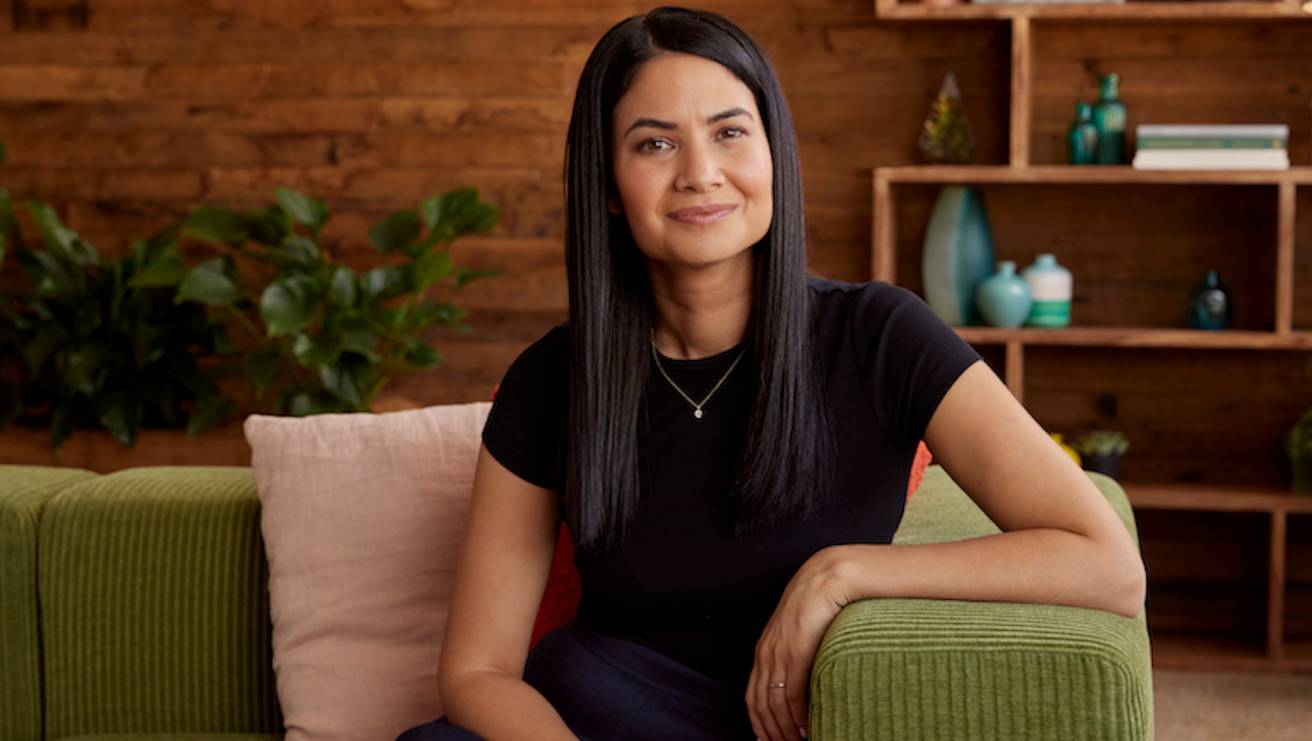
CEO and cofounder Melanie Perkins told staff in a company-wide note on Wednesday that incremental changes were insufficient as the Sydney-based design firm battles slowing growth, and the impact of AI.
“This is without doubt the hardest moment in our 13-year history,” she wrote.
“This has been our hardest year yet, and as we shared earlier this year, our growth has slowed for the first time in a decade.”
While Perkins didn’t specify the total number of redundancies, with the 22% figure includexs staff facing role changes or relocation, saying
“After exploring a wide range of alternatives, I’ve come to the difficult conclusion that small changes won’t be enough,” she said.
“To set ourselves up for the next decade, we need to refound Canva, getting back to our roots of small, empowered teams with the freedom to make decisions, take ownership and focus on what matters most for our community.”
The restructure follows her August note to shareholders that Canva had reduced its 2026 revenue growth forecast from 30% to 20%, after slowing AI product rollouts to address high computing costs.
Cutting AI costs
Yesterday, Canva announced a new deal with OpenAI hoping to cut costs, and over the last fortnight, announced it had developed two in-house AI models, Brush, a design-editing model, and Craft, which generates images.
The company, which had been hoping to list in the US, also had to deal with a falling valuation, with Blackbird and Airtree had marked Canva’s valuation down 17% to US$34.9bn, from its US$42bn peak. A separate employee share valuation fell to US$31bn.
By then, Canva had cut the cost of serving an AI task by 90%. June-quarter revenue rose 25.2% year-on-year to US$921.9m. The company ended June with US$1.47bn in cash, having reported nine profitable years.
Perkins is merging Product, Growth and Platform into a single organisation, broadening specialised roles and removing layers and overlapping responsibilities.
“Over time, we’ve divided work across more and more subspecialties and teams,” Perkins.
“While this has helped us build valuable expertise, it’s also fragmented ownership and made it harder to see the full picture, with different teams responsible for many pieces of the same work.
“We want to get back to spending more time building, and less time navigating how work gets done.”
Staff support
Sydney will become the main base for more product teams and other roles, with relocation support offered. Most hybrid employees will be expected in the office two to three days weekly from January.
Departing staff will receive at least six months’ salary, including statutory entitlements. Canva is removing the one-year equity vesting cliff for recent recruits, providing career support and allowing employees to keep their MacBooks. Healthcare coverage, where already provided, and employee assistance will continue for 12 months, with the latter also covering families.
The company is also launching a Canva Collective Fund offering US$10,000 grants to departing employees starting businesses or community projects. Canva will take no equity.
A company meeting will be held next week to discuss changes.
“I’m deeply sorry for the pain and disruption this will cause for everyone affected,” Perkins said.
“Please know these decisions do not diminish your talent, the value of your contributions, or the difference you’ve made here.”