



Crude oil prices were little changed Tuesday, after President Donald Trump told the United Nations that he believes Iran will make a deal after the U.S. midterm elections in November.
Brent crude futures, the international benchmark, were down 69 cents at $99.65 a barrel by 1:52 p.m. ET. West Texas Intermediate traded 27 cents lower to $95.51 per barrel. Prices are down more than 3% this week, though they are still up more than 10% on the month.
Trump told the U.N. General Assembly in New York City that he has a “big decision” to make on whether to seek a negotiated deal with Iran or “annihilate the Islamic Republic.”
“I believe we’ll make a deal right after the election because it doesn’t make sense for them not to,” Trump said in his address. “They’re waiting to see how I do in the midterm election. What they don’t realize is that I’m not running.”
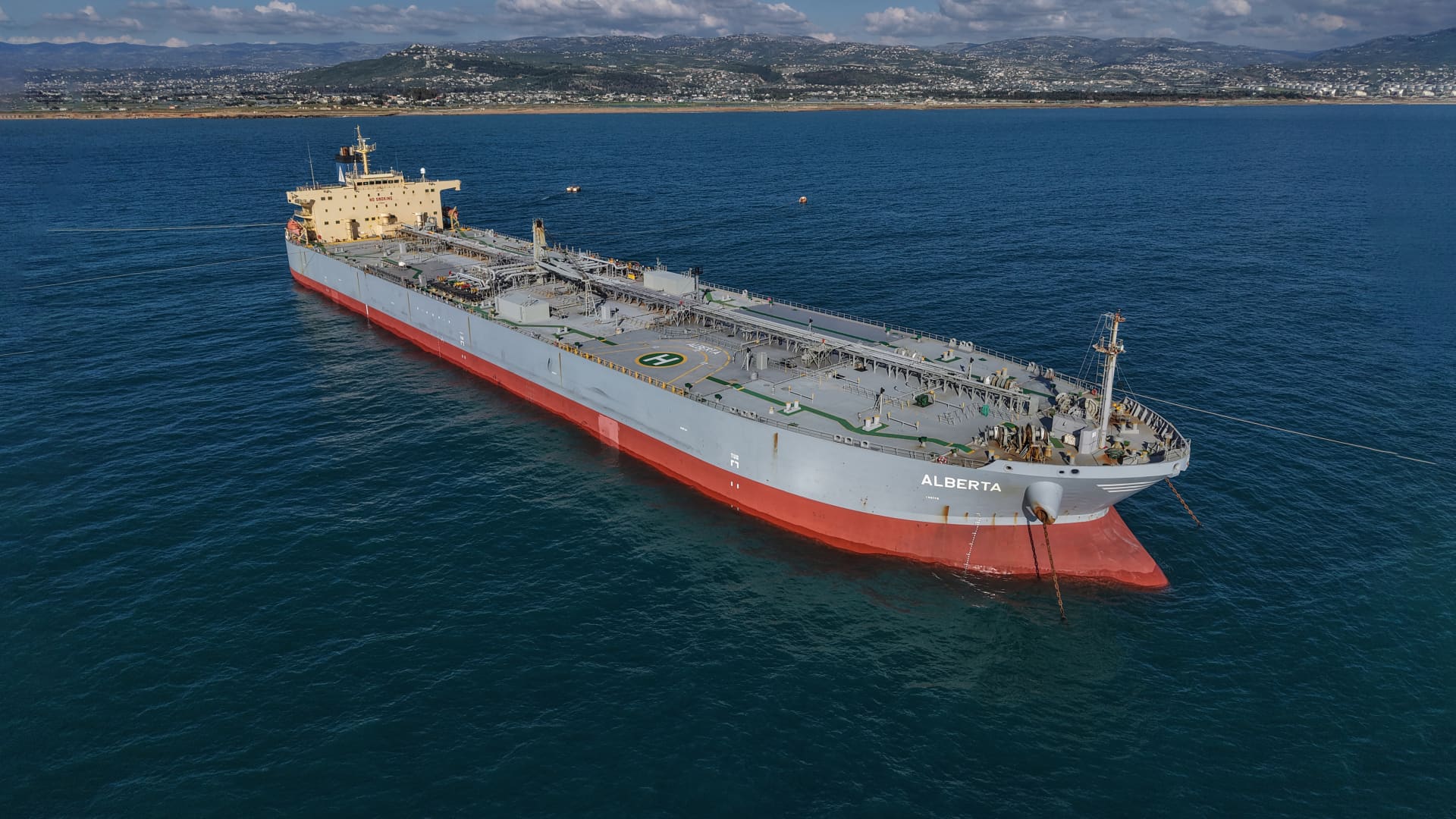
Trump said the U.S. military has recently escorted more than a billion barrels of oil through the Strait of Hormuz. More oil is flowing through the strait under U.S. military protection than at any previous point of the war, he said.

Iran’s president, Masoud Pezeshkian is attending the UN General Assembly. Trump told Fox News on Sunday that he was open to meeting Pezeshkian. Every attempt at a negotiated settlement between the U.S. and Iran so far has collapsed into renewed fighting.
There were signs that the supply crunch in the Middle East could ease this week. Saudi Arabia is in the early stages of restarting its critical East-West pipeline, people familiar with the matter told Bloomberg News. Riyadh aims to restore meaningful flows by Saturday, one of the people told Bloomberg.
Sources told Reuters that the pipeline was already pumping at a low rate and could resume exports at the port of Yanbu on the Red Sea later Tuesday.
The Saudis closed the pipeline after it sustained damage in a drone attack launched from Iraq on Sept. 10. The pipeline has played a crucial role in diverting Saudi crude oil exports to the Red Sea as the U.S. and Iran battle for control of the Strait of Hormuz.
Riyadh has diverted oil back through Hormuz during the pipeline closure.
Ras Tanura, a port on Saudi Arabia’s east coast, had its busiest loading day since before the war started on Feb. 28, according to maritime data firm Kpler. Six supertankers loaded nearly 12 million barrels at Ras Tanura and Juaymah on Monday, according to Kpler.