


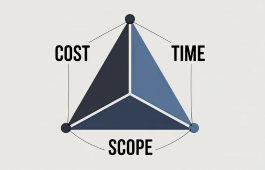

For decades, projects have been measured against three key metrics: on time, on budget, and within scope. While these measures still matter, they no longer fully capture success in a world defined by rapid change, uncertainty, and rising stakeholder expectations. Projects can’t simply tick the boxes; they must create meaningful organizational value.
Organizations today are under constant pressure to transform: 93% of CEOs tell us they must rethink their operating models at least every five years. Projects are the engine of this transformation, yet only about half of all projects are considered successful. The picture is even more concerning in complex projects, with 31% failing to achieve their intended goals.
As organizations increasingly depend on projects to drive new capabilities and sustain competitiveness in this disruptive reality, the definition of project success must encompass not only efficient execution, but the delivery of value that strengthens organizational viability, adaptability, and long-term impact. Recent PMI global research provides this definition: successful projects deliver value worth the effort and expense.
This definition may sound simple, but it represents a fundamental shift: from project management success to project success.
Why project success must change
Global project success rates sit at around 50 percent, as measured across 2024 and 2025 among a large, global sample of project professionals, leaders, and stakeholders. While this research suggests a more positive view of project outcomes than is often reflected in industry narratives, it also illuminates opportunities to drive that success rate higher through proven approaches combined with a leadership mindset.
The projects that consistently succeed share a common foundation built on three fundamentals: why, what, and how.
- Why: A clear, shared vision of success. Projects with no clear “why” are far more likely to fail. When teams understand the purpose of the project, especially when tied to ambitious goals or sustainability outcomes, perceptions of success rise dramatically.
- What: A relentless focus on value. High-performing teams are willing to flex time, cost, and scope when needed to maximize value, rather than treating those constraints as the goal themselves.
- How: Strong measurement. Define success criteria upfront, put a measurement system in place, and track progress toward outcomes throughout the project.
These fundamentals matter, but to move from project management success to project success, they must be coupled with the right mindset.
The mindset that multiplies success
What truly separates high‑impact projects from average ones is mindset. Research has identified a set of behaviors that enable project professionals to elevate both project outcomes and their role within an organization.
- Manage perceptions: Shape stakeholder understanding, communicate openly, and build trust.
- Own success: Take responsibility for delivering real value, not just completing tasks.
- Relentlessly reassess: Continuously monitor change, reassess risks and opportunities, and adjust course.
- Expand perspective: Connect projects to broader organizational goals and societal impact.
When all four behaviors are consistently applied to a project, it’s more than three times as likely to be deemed successful. Yet only a small percentage of project professionals say they always work this way, making adoption of this mindset a clear opportunity to help improve project outcomes.
What project professionals can do now
The path forward doesn’t require reinvention. Instead, there are three practical steps, rooted in project management fundamentals, that professionals can take immediately:
- Anchor every project in value. Start by clarifying what success truly looks like and why it matters.
- Embrace responsibility for project success. Stakeholders overwhelmingly expect project managers to lead these behaviors — and the data shows they can.
- Build the project success mindset into daily habits. Even small, consistent changes in how teams communicate, reassess, and connect work to outcomes can make a measurable difference.
In a world defined by constant change, project success can no longer be viewed as simply execution excellence. Project professionals who expand their definition of success beyond delivery alone will be better positioned to lead transformation, influence strategy, and deliver outcomes that truly matter.
Views: 10