



Your construction project has grown beyond its original scope, so what do you do now? Extra client requests, design revisions and unexpected work can quickly turn a well-planned job into one that’s harder to schedule, manage and deliver profitably. Without a structured response, scope creep can create delays, increase costs, overload crews and trigger disputes between owners, contractors and subcontractors.
This guide explores the practical actions construction project managers can take to regain control after scope creep has affected a project. You’ll learn how to evaluate the additional work, communicate with stakeholders, protect the project budget, update schedules, prioritize critical activities and implement proven construction management practices that help keep the project moving toward a successful completion.
What Causes Scope Creep in Construction Projects?
Scope creep usually develops through a series of small changes rather than a single major event. Some changes are requested by the owner, while others result from incomplete planning, design revisions, unforeseen site conditions or poor communication between project stakeholders. Recognizing the source of additional work is the first step toward controlling its impact on cost, schedule and productivity.
- Clients continue requesting additional rooms, finishes, features or functionality after construction has already begun, but those changes are approved without formally adjusting the contract value, project schedule or resource plan.
- Construction starts before drawings, specifications or engineering documents are fully coordinated, forcing contractors to perform rework as conflicts, omissions and design errors are discovered during execution.
- Unexpected site conditions such as unstable soil, hidden utilities, contaminated materials or undocumented underground structures require significant additional work that was never included in the original project scope.
- Project teams perform extra work based on verbal instructions, informal emails or field conversations without documenting change orders, creating confusion over responsibilities, payment and contractual obligations.
- Stakeholders fail to clearly define project requirements during planning, allowing assumptions, evolving expectations and late design decisions to gradually expand the amount of work required for project completion.
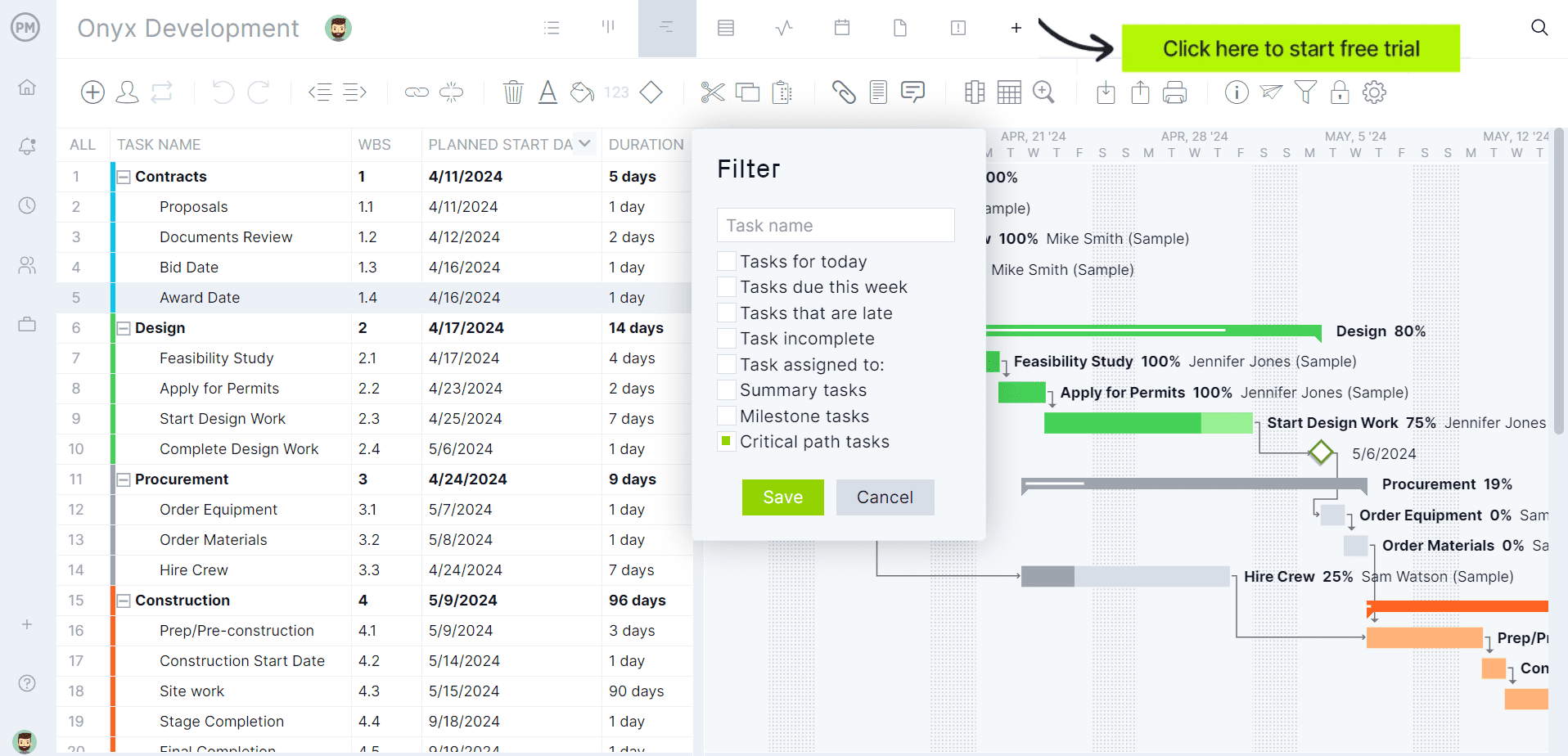
If you’re looking for software to plan, schedule and track construction projects from start to finish, try ProjectManager. ProjectManager is an award-winning project management solution that gives construction project managers the tools they need to ensure projects are completed on time, within budget and within scope. Create detailed construction schedules, estimate costs, allocate resources, set budgets, track progress and compare estimated versus actual project outcomes using real-time dashboards and reports to quickly identify delays or cost overruns. Get started with ProjectManager for free today.
Who Should Get the Project Back on Scope?
Recovering from scope creep is a shared responsibility across the construction team. Every stakeholder has a different level of authority to approve changes, control field operations, revise designs or authorize additional funding, making collaboration essential to bring the project back within its intended scope.
- Project Manager: Coordinates the overall scope recovery effort by evaluating change requests, assessing cost and schedule impacts, updating the project management plan, facilitating stakeholder communication and ensuring every approved modification follows the project’s change control process.
- Superintendent: Manages day-to-day field execution, prevents unauthorized work from reaching construction crews, sequences activities to minimize disruption and verifies that on-site work matches the latest approved plans and specifications.
- General Contractor: Reviews contractual obligations, coordinates subcontractors, negotiates change orders with the owner, reallocates resources when necessary and ensures additional work is properly documented before execution.
- Subcontractors: Identify how requested changes affect their trade, provide updated labor and material estimates, communicate scheduling impacts and avoid performing out-of-scope work until proper authorization is received.
- Owner: Decides whether proposed additions, revisions or enhancements justify their additional cost and schedule impact, formally approves scope changes and provides the funding required for authorized modifications.
- Architects: Evaluate requested design changes, revise drawings and specifications when appropriate, clarify design intent and help ensure new requirements remain consistent with the project’s functional and aesthetic objectives.
- Engineers: Determine whether proposed scope changes are technically feasible, analyze their structural or systems impact, update engineering documents and verify that revised designs continue meeting applicable codes and performance requirements.
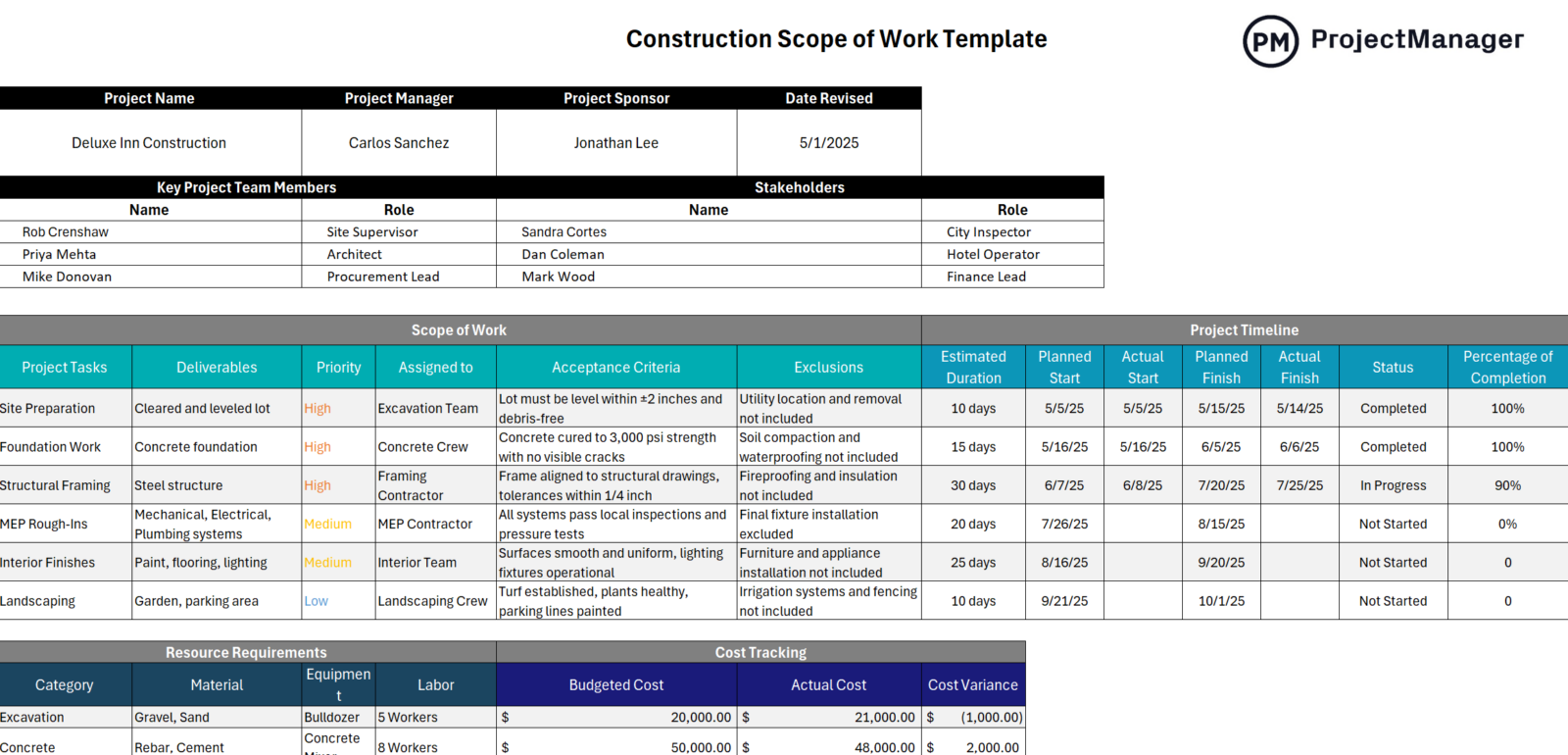
Get your free
Construction Scope Of Work Template
Use this free Construction Scope Of Work Template for Excel to manage your projects better.
Step-by-Step Process to Get Your Project Back on Track
Recovering from scope creep requires a structured approach instead of reacting to problems as they appear. Each step builds on the previous one, helping the project team understand what changed, measure its impact, make informed decisions and prevent additional work from pushing the project even further away from its original objectives.
1. Identify the Causes for Scope Creep
Before attempting to reduce or control additional work, determine exactly why the project’s scope expanded in the first place. Separate the primary cause from contributing factors such as poor requirements, incomplete designs, informal client requests or weak change control procedures. Once the root cause has been identified, evaluate practical mitigation measures that address the underlying issue rather than simply responding to its consequences. That analysis creates a stronger recovery plan and reduces the likelihood of future scope changes.
Construction teams commonly perform root cause analysis using techniques such as the 5 Whys, fishbone diagrams, fault tree analysis and lessons learned workshops. These methods help connect field issues to the management, design or communication problems that allowed scope creep to develop.
2. Review the Project Scope Baseline
Next, compare the current status of the project against the approved scope baseline to measure the full extent of the changes. Review the original scope statement, work breakdown structure (WBS), drawings, specifications and approved deliverables to identify every deviation. This comparison establishes how much additional work has been introduced and provides an objective basis for evaluating schedule delays, budget impacts and future recovery decisions.
3. Assess the Impact of Scope Creep
Additional work rarely affects only the project scope. Review every major part of the construction project, including the construction plan, schedule, budget, resource allocation and procurement plan, to understand the true impact. Every project responds differently to scope changes, so avoid assumptions and measure the consequences using current project data before deciding on recovery actions.
- Construction Schedule: Scope creep extends the project timeline by introducing new activities, delaying successor tasks and increasing the likelihood of missing contractual milestones.
- Construction Budget: Additional work increases project costs through extra labor, materials, equipment rentals, subcontractor expenses and extended project overhead.
- Resource Management: Unplanned tasks consume labor, equipment and supervisory capacity, making it harder to complete originally scheduled work on time.
- Procurement Plan: New scope often requires purchasing additional materials, specialized equipment or long-lead items that were never included in the original procurement strategy.
- Project Risk: Every scope change increases coordination complexity, creating more opportunities for rework, quality issues, contractual disputes and construction delays.
- Quality Management: Rushed implementation of additional work can reduce workmanship quality, increase inspection failures and create more punch list items before project closeout.
- Stakeholder Communication: Scope creep requires more frequent coordination between owners, designers, contractors and subcontractors, increasing the risk of misunderstandings and conflicting expectations.
- Cash Flow: Additional work can disrupt planned project cash flow by accelerating expenditures, delaying payments tied to change orders and creating temporary funding gaps.
4. Plan Mitigation Actions & Communicate with Stakeholders
Once the project’s impact has been evaluated, use construction project management techniques to develop an action plan that will mitigate or reduce the negative impacts of scope creep on the construction project and communicate them to everyone affected.
It’s important to inform both internal and external stakeholders that scope creep has changed the project’s objectives, schedule or budget, then present realistic recovery options, their expected outcomes and any required decisions. Early, transparent communication helps align expectations, secure approvals and avoid additional misunderstandings as the project moves forward.
Construction Project Management Techniques to Get Your Project Back on Scope
After identifying the source and impact of scope creep, the next step is choosing the right recovery strategy. Different construction management techniques solve different problems, whether that means reducing unnecessary work, improving coordination, reallocating resources or measuring project performance. Selecting the appropriate approach depends on how scope creep has affected your specific project.
Project Crashing
Project crashing helps recover from scope creep by assigning additional labor, equipment or subcontractors to critical activities created by the expanded scope. The objective is to complete the extra work faster without changing project deliverables. Because crashing increases project costs, it should only be applied where the schedule benefits justify the additional expense.
Fast Tracking
Fast tracking helps offset delays caused by scope creep by performing certain construction activities in parallel instead of sequentially. Overlapping work can recover valuable time, but only when tasks are compatible and risks are carefully managed. Close coordination between project teams is essential to avoid rework, conflicts and quality issues.
Value Engineering
Value engineering brings a project back on scope by finding more efficient ways to deliver approved project requirements without reducing functionality, quality or safety. The team reviews materials, construction methods and design details to eliminate unnecessary costs or complexity, making it easier to accommodate approved scope changes while maintaining project objectives.
Earned Value Management
Earned value management measures how scope creep affects project performance by comparing completed work against the approved schedule and budget. These performance metrics help project managers determine whether recovery efforts are working, identify emerging problems early and make better decisions about future corrective actions throughout project execution.
Critical Path Optimization
Critical path optimization focuses recovery efforts on the construction activities that directly determine the project’s completion date. After scope creep introduces additional work, project managers can resequence tasks, shorten critical activities or remove unnecessary delays to minimize schedule impacts while keeping the expanded scope under control.
Resource Leveling
Resource leveling redistributes labor, equipment and subcontractors to match the additional workload created by scope creep without overloading individual crews. Balancing resources across project activities improves productivity, reduces scheduling conflicts and helps ensure the expanded scope is completed as efficiently as possible.
Lean Construction
Lean construction helps control scope creep by reducing waste, improving collaboration and keeping crews focused on work that delivers value to the project. Better planning, reliable workflows and continuous communication make it easier to manage approved changes while preventing unnecessary work from expanding the project even further.
How ProjectManager Helps You Get a Construction Project Back on Scope
Recovering from scope creep begins with understanding exactly how the project has changed. ProjectManager is construction project management software that helps teams plan work, manage changes, allocate resources and monitor project performance in real time. Construction project managers can compare current work against the original plan, evaluate the impact of approved changes, coordinate recovery efforts and track whether mitigation actions are successfully bringing the project back within its intended scope.
Gantt Charts
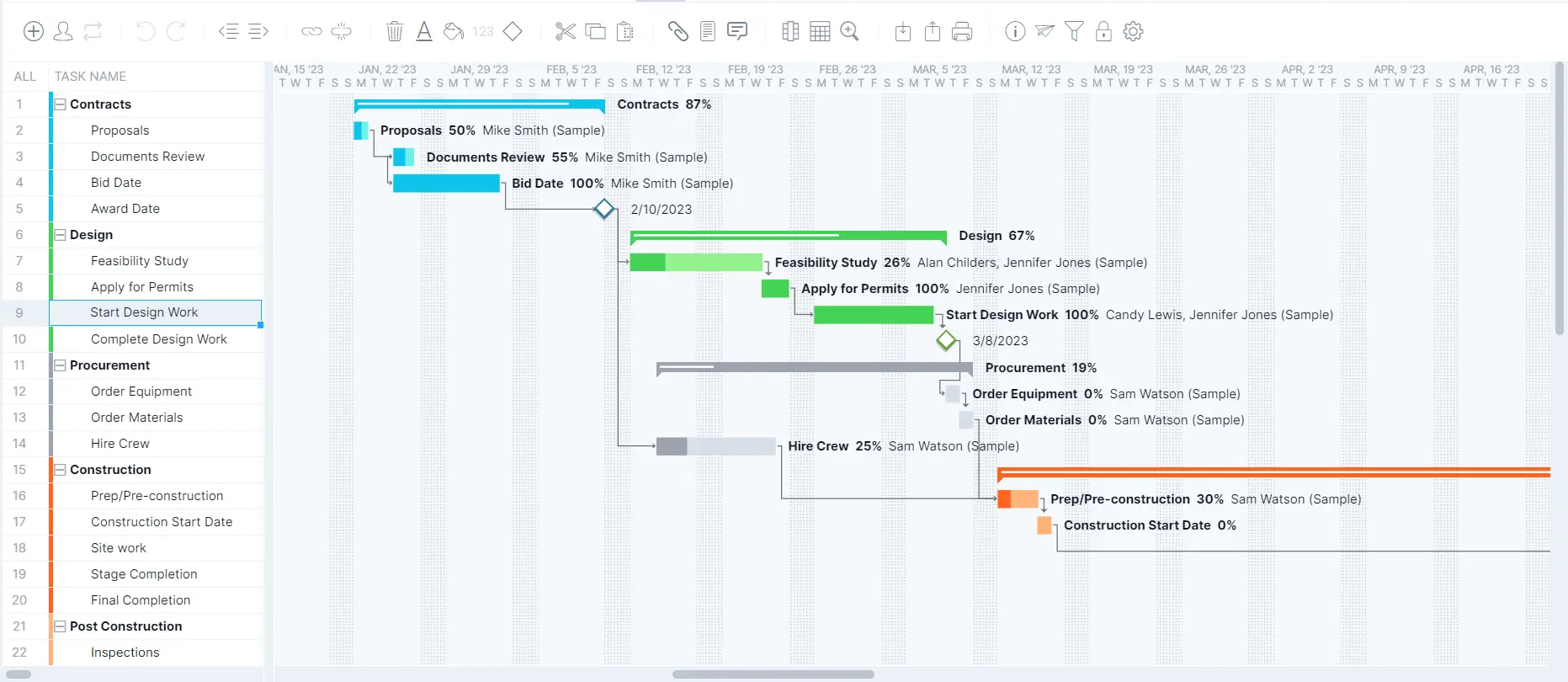
ProjectManager’s online Gantt chart helps construction teams evaluate how scope creep affects the project schedule and organize the work needed to recover. Compare actual progress against the original baseline, identify activities added through scope changes and update task dependencies to reflect the revised execution plan. Milestones, critical path analysis, percent-complete tracking and task assignments provide complete visibility into how recovery efforts affect project delivery.
Real-Time Project Dashboards
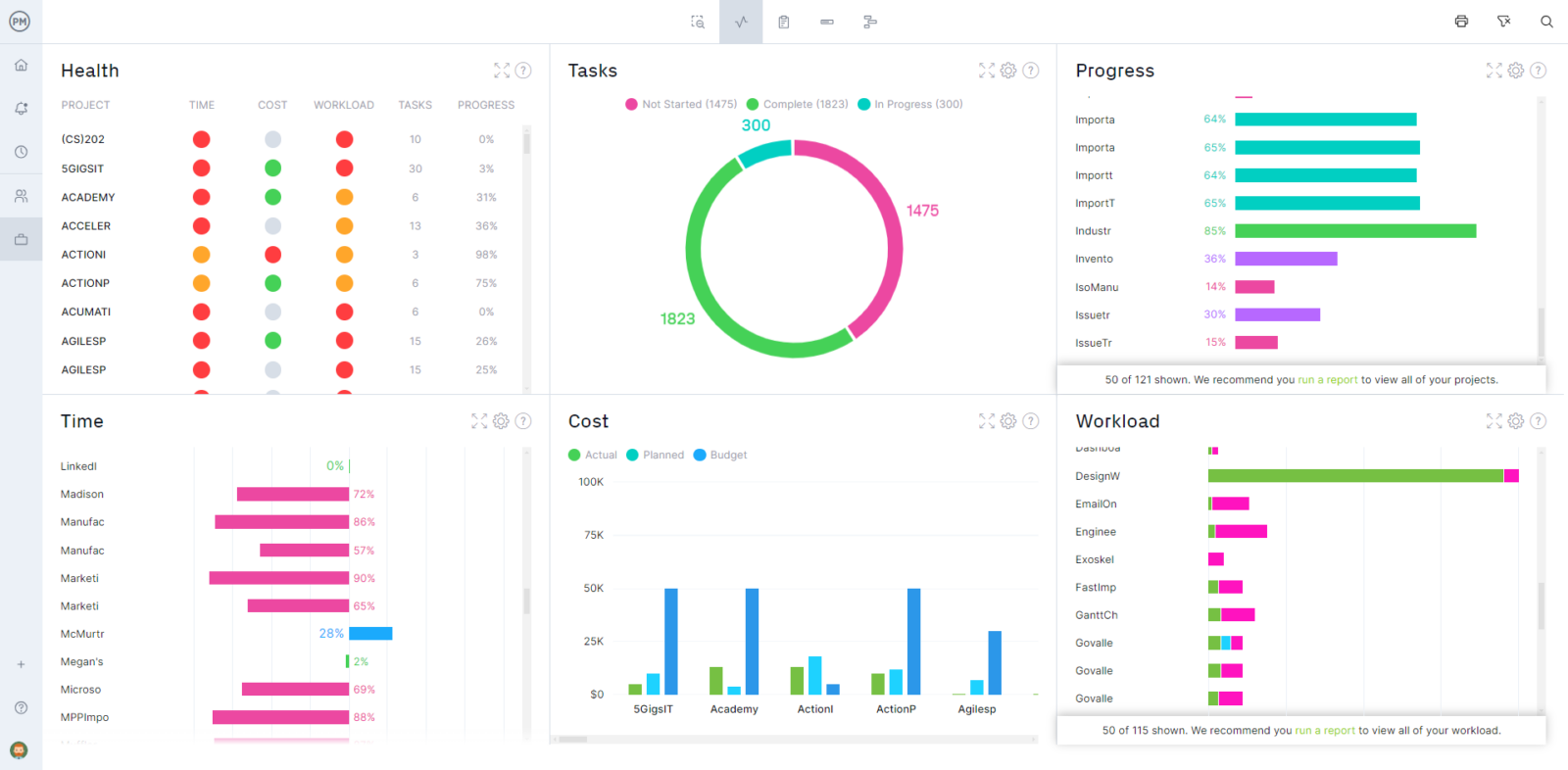
As corrective actions are implemented, ProjectManager’s real-time dashboards allow construction project managers to measure their effectiveness without waiting for manual reports. Live metrics track progress, costs, workload and schedule performance while RAG indicators quickly highlight issues requiring attention. Portfolio dashboards also help construction firms monitor multiple projects and identify where scope changes are creating the greatest operational impact.
Resource Management Tools
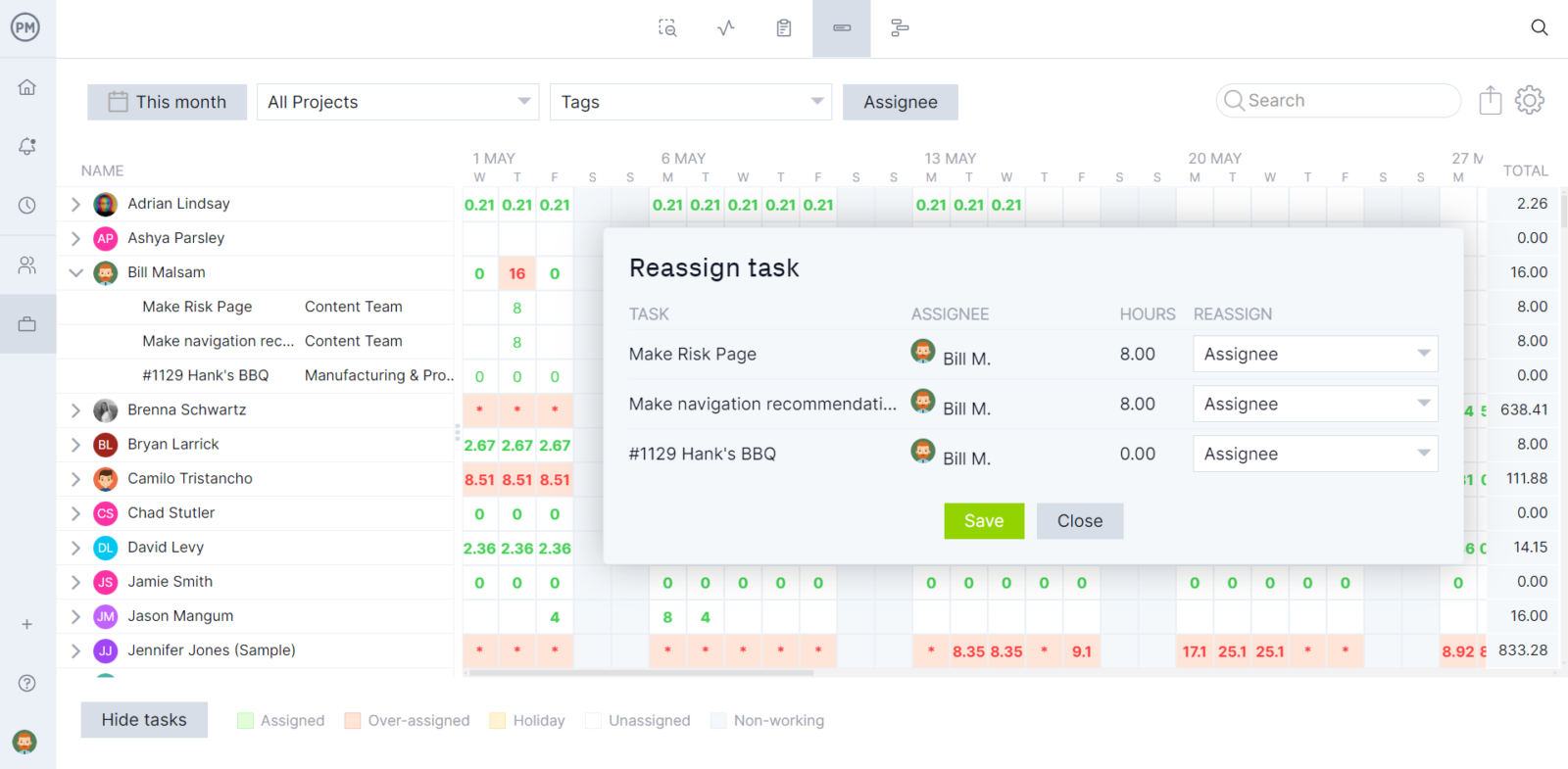
Bringing a construction project back on scope often requires adjusting how labor and equipment are assigned. ProjectManager’s resource management tools help managers balance workloads, identify available capacity and assign qualified team members where they’re needed most. Real-time workload charts and availability data make it easier to support approved scope changes without overallocating crews or disrupting other critical project activities.
Integrations
Managing scope creep requires accurate information from more than a project schedule alone. ProjectManager integrates with leading accounting, ERP and business management platforms so project managers can evaluate scope changes using current operational and financial data. Keeping that information connected supports faster decisions, stronger change management and more accurate recovery planning.
Acumatica
The Acumatica integration combines project information with ERP data, giving construction teams better visibility into how scope changes affect budgets, job costs, purchasing and resource requirements. That information supports more informed decisions when reviewing change orders and planning mitigation strategies.

MYOB
ProjectManager’s MYOB integration connects project execution with accounting data, allowing construction businesses to evaluate the financial impact of scope changes alongside operational progress. Access to current expenses, invoices and payroll information helps teams make better-informed decisions throughout the scope recovery process.
QuickBooks
The QuickBooks integration helps construction project managers understand how approved scope changes affect project finances. By connecting accounting data with project execution, teams can monitor labor costs, material expenses and budgets while ensuring corrective actions remain aligned with the project’s financial objectives.

ProjectManager is online construction project management software that empowers teams to plan, manage and track their projects in real time. It connects architects, engineers, project managers and field crews through a single platform where they can collaborate, share updates and monitor progress from anywhere. Get started with ProjectManager today for free.