



In recent years, the recreational vehicle (RV) industry has witnessed significant growth, and many aspiring entrepreneurs are considering entering this lucrative market. With the rising trend of mobile and flexible lifestyles, RVs have become a symbol of freedom and adventure. Before diving into your RV business startup, it’s crucial to understand various facets that could impact your success as an entrepreneur in this domain.
Understanding the RV Market
The RV industry has shown consistent growth as more individuals and families seek ways to explore and travel at their own pace. According to RVBusiness, the demand for mobile RV repair services is escalating since traditional service centers are often overbooked, especially during peak travel times. Entrepreneurs should recognize this opportunity as a potential area for business development and expansion.
New entrants to the RV market must be aware that customer demand can fluctuate significantly with seasons and economic trends. However, the interest in RV ownership remains strong, with reports from Emergency Assistance Plus indicating that approximately 20% of U.S. households are interested in owning an RV. This vast potential customer base means there is room for growth for those willing to navigate the market’s complexities.
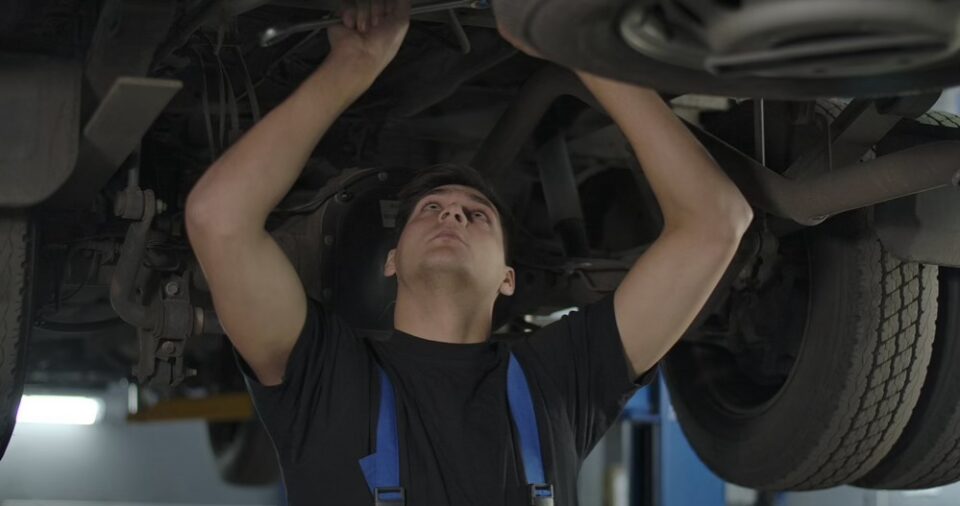
While the market is promising, competition is also a factor to consider carefully. There are over 2,119 registered businesses in the trailer and RV repair services sector across the United States, as per IBISWorld. Understanding these dynamics will allow entrepreneurs to position themselves strategically, ensuring they meet the demands of this growing clientele effectively.
Setting Up Your RV Business
Starting an RV business requires meticulous planning and a deep understanding of your target audience. Apart from focusing on repair services, entrepreneurs can explore selling RV accessories and offering rental options to diversify income streams. This approach could cater to varying customer needs, enhancing overall business success.
Location plays a critical role in the potential success of an RV business. Situating the business near popular travel destinations or areas with high RV traffic can attract more clientele. Entrepreneurs should also consider establishing a flexible business model that adapts to customers’ evolving preferences and travel habits.
Building a strong, recognizable brand that prioritizes customer satisfaction is essential in this competitive industry. Offering excellent after-sales support and prompt service can set your business apart. Networking with other businesses in the tourism and travel industry can lead to partnerships that expand your market reach and enhance your business’s reputation.
Challenges and Benefits of the RV Business
Entering the RV business comes with its own set of challenges, including the need for specialized knowledge and skills. Repairing and maintaining RVs requires specific technical expertise, which often necessitates investing in staff training and equipment. These initial costs, though potentially high, are vital for providing high-quality services that customers trust.
Despite these challenges, the RV business offers significant opportunities for growth and profitability. The increased interest in recreational travel and the freedom it affords promise a steady stream of potential customers. Moreover, by staying attuned to industry trends and customer preferences, entrepreneurs can tap into new market segments and drive sustained growth.
Moreover, the benefit of setting your RV business apart from traditional service models can attract loyal customers seeking convenience and reliability. Engaging with the community and utilizing social media for marketing can amplify your business reach effectively. These strategies can translate to long-term success, making the challenges of entering this industry worthwhile.
Starting an RV business can be a rewarding venture for entrepreneurs ready to embrace the opportunities and challenges of this dynamic industry. Understanding the market trends, customer needs, and the competitive landscape is crucial for success. With dedication and strategic planning, an RV business startup can thrive and capitalize on the ever-growing interest in mobile travel.