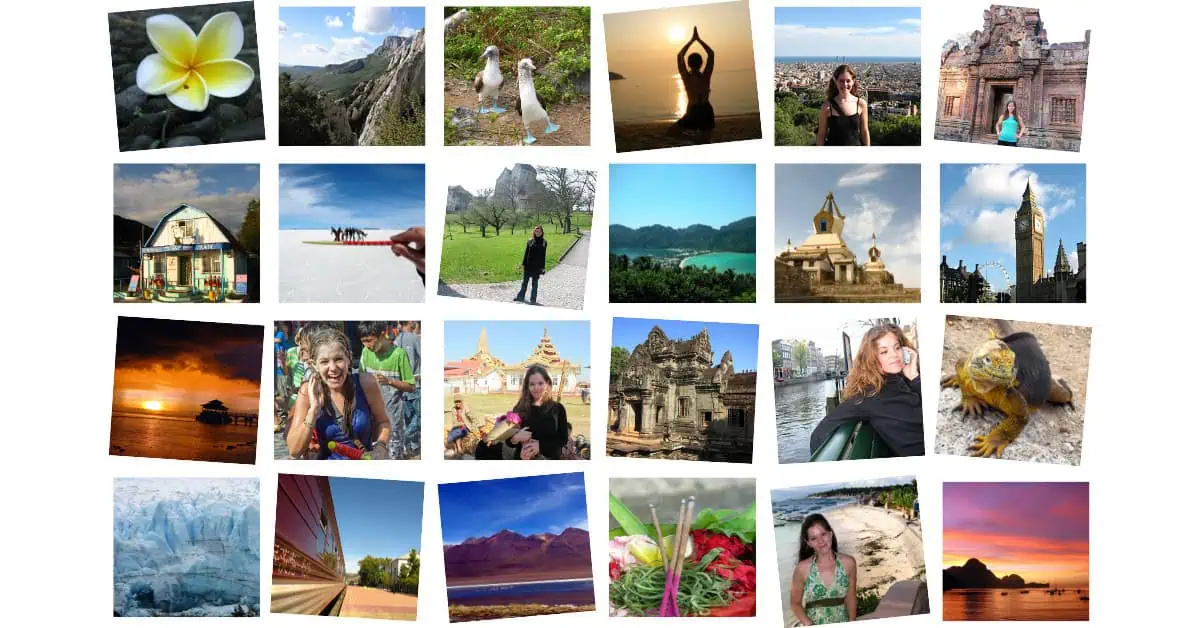
August used to be the month that I looked forward to, a promise of adventure and new challenges. My birthday is midway through the month, and long before I quit my job to travel the world I had a tradition of climbing a mountain every year to celebrate. When I started Legal Nomads, many of you came along for the ride — including when I lost several toenails on my triple mountain climb for my 30th birthday in Bali, when I clambered up South Sister in awe, the Perseid meteors overhead, or when I climbed Gros Morne in Newfoundland.
I was honoured to share these mountains with you, but most of all I was proud to have climbed them. I started this tradition as an adult because of something that happened during a very intense weekend when I was a child. My parents split when I was three and a half, and during those early years following their divorce my brother and I would stay in Montreal with my dad during his custody time. By the time I was six, my dad had already met my stepmother and my brother and I would spend weekends with both of them. During this particular weekend, we received some very dense news about her health and I had a fall that scared the whole family.
We lost Deborah in April, and I will share her part of that weekend when I write her eulogy later this year. In my case, my dad and I went to a park near his apartment where there were big monkey bar structures that I liked to play on. I climbed the skinny metal rungs to the top platform, and as I was about to reach the last rung a boy standing on the platform stomped on my hands as they curled around the metal of the ladder. Surprised and in pain, I reflexively let go and fell backwards onto the cement.
This was in the 1980s, when 10-12 foot tall park structures were still the norm, without guardrails. The cement block below kept the metal in place, but did not provide a soft landing for me. Thankfully, parks have changed these days.
I don’t remember all of the details, but I do vividly recall my dad swearing and running over to me in panic, screaming at the boy at the top (who quickly ran away). I remember him carrying me to his apartment, and our subsequent trip to the children’s hospital. I could barely walk or move my legs. I remember the doctor telling us that I was very lucky and that my dad should buy a lottery ticket; miraculously, while I had a scrapes, bruising, and a fractured rib, I was otherwise unharmed. It took time to recover, and for the rest of my life my back caused me pain long before my spinal CSF leak. This fall is part of why the pain was so acute during the Vipassana Course I took in New Zealand, and why I had to use a special wooden seat for support instead of sitting and meditating like everyone else.
It is also due to this formative event that I climbed mountains on my birthday.
Though my climbs were often very painful, I attributed the discomfort to the aftermath of the fall so many years earlier, not realizing I also had a myriad of genetic issues that were contributing to my body struggling in ways others often did not.
I climbed because I could, and because my body held up in its own tender way. I had not forgotten the doctor’s words, and instead of a birthday party I wanted to do something that acknowledged the what ifs of that moment.
After I sustained my spinal CSF leak one week after my birthday in 2017, during another intense day of what ifs that could have been far darker, my birthday mountains were no longer feasible — with the exception of a climb up Mount Royal during those brief, blissful months that I was sealed in 2018.
There’s a void in my life where my birthday mountain used to be, thanks to the holes in my dura that remain unfixable. The proximity of these two commemorations make August especially tough. It’s an exercise in living grief that I warily wait for each year, and it rarely gets easier.
The exhaustion of living grief
There is so much written about bereavement and the desolation of losing someone you love. Most of us will experience bereavement in our lives by the time we reach middle age. If it happens when we are young, there’s special attention given to the tragedy of that preemptive experience. No matter the age, the universality of death and grief is profoundly human.
Having experienced bereavement grief as well as the living grief that accompanies the ongoing loss of function in chronic illness, they feel like different emotional experiences altogether. With compassion and empathy, we can commiserate with those who lose their mobility or function. However, there is far less written about the aggregate, compounding grief of discovering new ways that you cannot function as you’re expected to. As with bereavement grief, if we have the privilege of aging, we will all likely experience some level of disability as our bodies change. When disability occurs out of nowhere, as it did with me, people are more shocked. Unfortunately, sometimes that leads to commentary about ‘why’ this happened or why someone isn’t improving, commentary that flirts very heavily with blaming the patient.
Both types of grief are devastating, and both feel at onset like they will never end and that life is bleak and meaningless. Both also go on longer than people often think we ought to be grieving; grief is itself such a personal experience, yet humans are impatient. The weight of expectation that we ‘move on’ at an arbitrary point despite not being emotionally ready to do so is difficult in either case.
However, bereavement grief follows a death, an event of finality even though our attachment systems often need time to catch up with reality. The waves do feel less intense over time until eventually it feels like you are no longer drowning.
Living grief lacks the tapestry of rituals, language, and social permissions around grieving that a person is offered with death. In death, that commemoration can help us feel closer to our loved ones. With living grief, it’s the opposite: ritual is like death by a thousand paper cuts, as it only reminds you of what you’ve lost. It can also lead to confusion or distance in relationships. I frequently hear from patients whose families or friends have ghosted them, sometimes after telling them they ‘ought’ to be better by now or are keeping themselves sick.
Living grief diverges from the collective and is an exercise in othering.
In a 1999 book entitled Ambiguous Loss: Learning to Live with Unresolved Grief, Pauline Boss discussed losses that remain unclear and unresolved because a person is simultaneously present and absent. Her own examples were family members grieving someone physically present but changed, such as with dementia or addiction, or someone who is missing in action. However, the concept also applies well to patients’ own experiences. We are, after all, grieving the parts of ourselves that are simultaneously here and gone. The illness itself can create ambiguity because symptoms fluctuate, which may prevent patients from fulfilling the roles society expects of them. It can also prevent validation of the loss of self, because a crisis of meaning has less objective ‘proof’ when it’s tangled within the dense webs of chronic illness — especially invisible illness. And the interminable duration of chronic illness is exhausting for the patient and their loved ones.
While my grief stems from one precipitating event, there is no one ‘thing’ it organizes itself around. It seeps into all sorts of nooks and crannies where I never thought to look, and creeps in without warning even during the times that I think I’m ok. What causes my grief is also the thing I need to make peace with and accept; every symptom, limitation, medical appointment, failed treatment, or activity that I can no longer do is a reminder of the identity I no longer have.
It’s constant work to reframe and not let myself stew in the emptiness of what I lack.
We don’t have the societal tools to support living grief, perhaps in part because of its ambiguity. But I think also because we don’t want to collectively admit that you can’t will your way to being better. I’ve discussed this in part in a piece I wrote about how people have told me to ‘just fight harder’ to seal my leak. In reality, I am determined to live every single day. Unfortunately, the output is not always what society thinks I ought to show for it. My life is reflected in the advocacy I’ve been fortunate enough to engage in, the papers I’ve helped co-author, and the writing that I hope helps people understand what it’s like to be this unwell. I don’t have progress pics or quantifiable changes to share with the world. Some days I can take a walk; other days I am stuck in bed. Vastly fluctuating capacity, even when mobility is limited, is part and parcel of long-term disability. Yet the discourse is often focused on poking holes in the patient: someone ‘is faking it,’ someone is ‘performing illness.’ That disconnect between the unified expectation of progress and the reality of chronic illness is part of what makes being sick this long so isolating.
I am not at all saying that one type of grief is easier than the other. I am saying that while both may begin with a precipitating event, they begin to spiral away from each other soon thereafter. Bereavement is more understood and more acceptable to the society we live in. Living grief curls into itself, separate from the support of others who are not able to grasp the ongoing violence of not being able to do basic tasks for yourself. Our world is built for the able-bodied, and there is a long history of decisions that spotlights just how little many people, governments, or communities think of the disabled.
In reading about death grief and living grief, I find it interesting that anger is commonly cited within bereavement circles as part of the process. Yet for those of us living with loss of our function each day, anger can be seen as inappropriate or unresolved. I’d argue that in both cases, we need to process the anger to move on to anything else. I’ve written about how not doing so is like paving over a pothole without filling it in first. But with living grief, we’re not supposed to be angry. How dare we rage against the injustice of what we’ve lost? How dare we take up more space than we’re entitled to, being as limited as we are in how productive we can be?
While I feel proud of what I’ve been able to create while leaking, and while my community and those I love are very supportive, society still says, ‘but when will you get better?’
Negotiating with August
I’ve written before about how I was always someone who did feel grateful for what I was able to experience. Even within the concentric circles of deep gratitude, though, we can only hold space for what we know. I was fortunate not to know then of the granularity of loss I now experience. I always use my shoes as the analogy. How could I know to be grateful that I could tie them, so blinded was I by the forward motion of my goals and dreams?
I am not pretending when I share photos of me smiling on a walk, or excited about a flower I noticed or a beautiful tree. I genuinely am joyful about those things, and I have found acceptance in the cards I’ve been dealt. It has been a true honour to help raise awareness for the condition I’ve learned to live with during the past nine years. For most of the year, I do well at reframing all of this loss. I can hold my grief and my joy together in one hand, those ‘two birds’ that make life complicated but oh so human.
In August, though, I struggle not to squeeze my hands too tightly around each one, the space where the mountains should live so vivid in my mind alongside the event that took them away from me just one week later. The limits of my daily life chafe harder this month, and often I slink away and into myself.
August 22 is my leakaversary, and last year I had a particularly hard time with the month when it dawned on me that I likely would spend the entirety of my forties in bed. My grief cracked open and I felt completely broken by the plans I had for myself during this decade that I would never be able to fulfill.
At the zenith of my grief, however, things got a little crazy.
It started with an Instagram message
Several days before my birthday, I got a message request on Instagram.
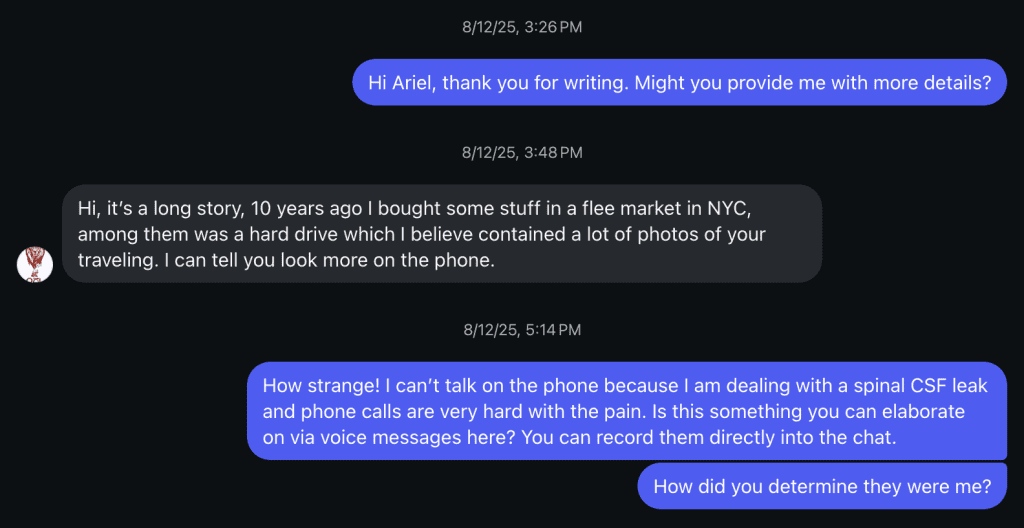
Hi Jodi, my name is Ariel, I’m from NYC. Can you please give a call. I might have something that belongs to you.
It included a phone number.
My first thought was, yeah… this is not a scam I am falling for.
I left the message there for a few days, but kept thinking about it. A voice in my head kept nudging me to reply. So I cautiously replied. What followed was a shock.
Longtime readers may remember that I was burgled twice in New York. The second time was more recently, in 2017 when I sustained my lumbar puncture. At the exact time stamp of the procedure, my friends’ nanny cam recorded someone breaking into their apartment and stealing their valuables, my laptop, hard drives, and many other items — using my own Tom Bihn Synapse daybag and my friends’ larger duffle bag to do so.
Believe it or not, in 2010 a similar thing happened also in Brooklyn. While I was meeting my friends Shannon and Derek for coffee, my ex’s apartment was burgled and the thief stole my laptop, all my hard drives with my photos, camera, and much more, including his valuables and DSLR. He also used my own backpack to do so.
Setting aside everyone’s questions about whether I am cursed in Brooklyn, that 2010 burglary left me despondent because I lost all of my photos. The thief stole my only backup drive as well as my laptop, and I realized thereafter that I did not have any original photos from my original round-the-world trip that mistakenly turned into this new career. I quit my law job in 2008, and on those hard drives were not only photos from my first two years of wandering the world, but also important family photos and law school graduation photos that I had no copies of otherwise.
I wrote an impassioned plea here on Legal Nomads in 2010, begging anyone who traveled with me to please help me get my memories back. There are 100 comments on that post, many of whom were OG travel bloggers who sent me whatever pictures they had of where we crossed paths during those wondrous two first years of exploration and food. I also learned a hard lesson: always have an option that backs up to the cloud. Ever since, I’ve done so — which is why the second of the Brooklyn burglaries did not actually lead to any loss of photos or memories (only my mobility, zing!); I had them backed up and could retrieve them on my new laptop later on.
During that second burglary, adjacent to my leak, Tom Bihn sent me a replacement bag. Four years later, I got a message on Facebook from someone in Brooklyn who had their chimney cleaned and found the original bag inside. Still in the bag, protected from the elements, was expired credit cards, my prescription glasses that were stolen along with everything else, and other sundry items. The homeowner used the name on the credit cards to find me, and messaged me on Facebook to tell me that she thinks she found something of mine on her roof.
My amazing friend Cheryl, who lived nearby and supported me so much following that awful night that changed my life, went and picked up the bag. She had it cleaned, and sent it to me in Canada where it has had a new life. I shared the astounding serendipity of this story with all of you in a post here, and you were suitably amazed.
But now, almost fifteen years later, I got the rest of my memories back.
A flea market find
Back to Ariel.
We exchanged voice messages where he explained that he is a filmmaker, and needs a ton of external storage as a result. To keep costs lower, he often goes to flea markets and buys external hard drives there, since they are usually cheaper than buying new.
He said that over a decade ago he purchased some electronics at a flea market in Brooklyn from an older man, things like cables for his cameras, and several smaller external hard drives. When he brought them home to reformat them, he saw a lot of folders with pictures and thought, something isn’t right here. He did not see the older man in any of the photos, and wondered where the photos came from and if someone was looking for them. “I felt so bad,” his audio shared, “I said, my god, this probably belongs to someone and got away from them somehow — and let me just back it up first.”
So, before reformatting the hard drive, he saved the folders of photos elsewhere, just in case. He hoped to try and track down the person in the photos (me!) and reunite them with whoever they belonged to.
This was over a decade ago. In the interim, life got hard and got in the way.
He moved, several close family members passed away, and his filming took him to far away places. In all the chaos, he forgot about the folders.
Last year, right before my birthday in August, he opened his old hard drive and saw all those folders again and thought to try and find the person featured in many of them.
While we live in an age of AI and face recognition, he did not use either to find me.
In his own words:
I saw there’s a lot of pictures with trips all over the world. And I saw your face there, and I was trying to figure out how can I find you?
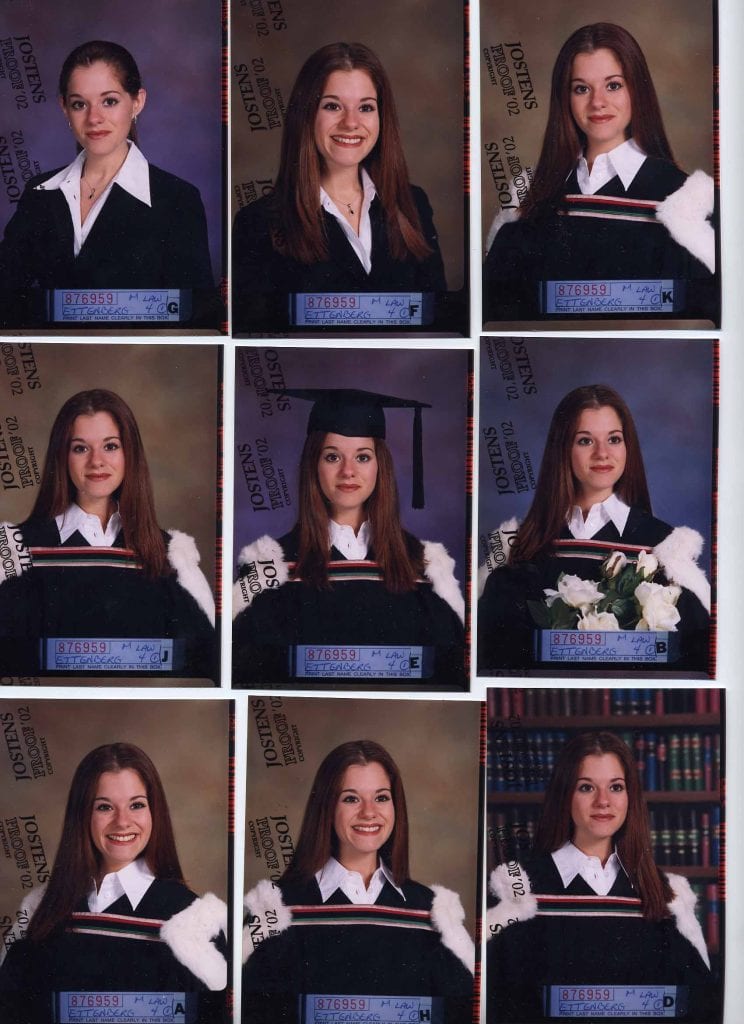
And luckily there was a folder with pictures from your graduation. It says your last name on the photos. And I’m like, I gotta find this woman and get her the pictures.
And there you go, I did a little research and I found you.
Given my work since then, writing online with a profile photo and — according to friends — the same face I had since I was a kid, he was able to find me quite easily. I don’t have a phone number listed anywhere, so he went to Instagram to reach me and see if I would recognize or want these photos back.
My reply was, of course, absolute shock and awe and joy and confusion, and also a part of me wondered if it was really me. So I sent a message back, asking if he could screenshot some of the photos for me to verify it is me.
His reply, echoing my friends: “yeah, your face did not change. It’s you.”
He sent a selection of photos from early in my travels, as well as the graduation pics he used to locate me:
I could not believe it.
I sent an audio back, sharing some of the insanity of the years since 2010 and asked if we could set up an online transfer for him to send me all the photos. I thanked him over and over, and asked if I could send him a reward or purchase or something to express my deep gratitude.
He didn’t want any money, gifts, or anything else. He is just a good person who wanted to make right something he had forgotten to do many years earlier, before life got in the way.
On my birthday last year, I woke up to an email link where I could download all the photos he had saved. By the end of my birthday, I was reunited with so many memories I never thought I’d see again. I laughed, I cried, I sent tons of unflattering photos of me to my friends.
Here’s the folder list of what I received:
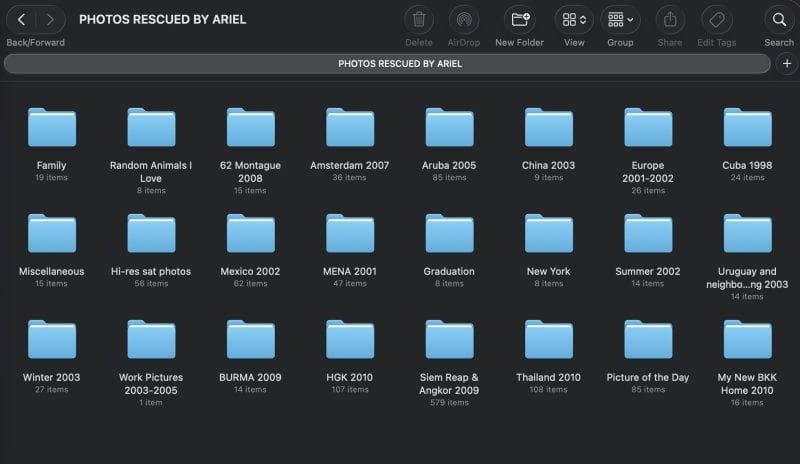
So many pictures from my travels that I thought I’d never see again:
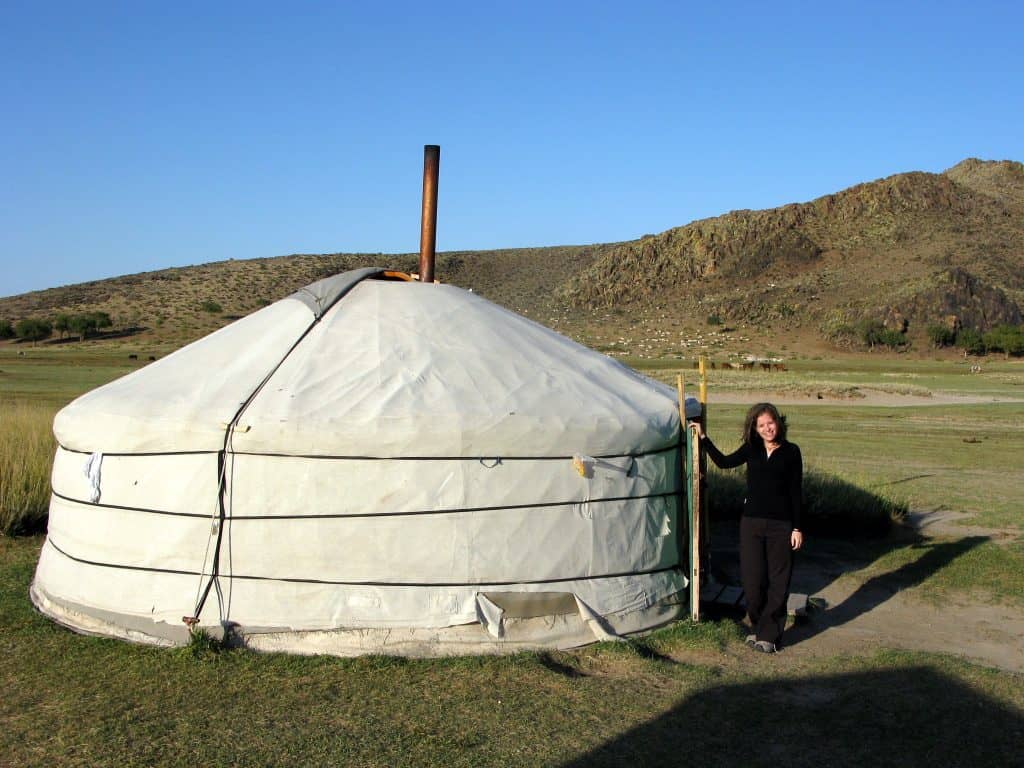
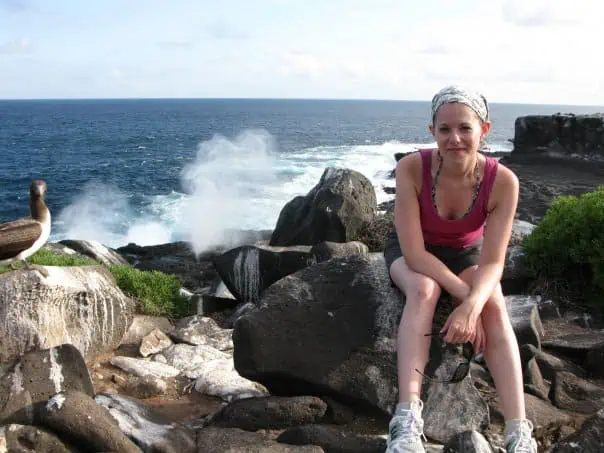
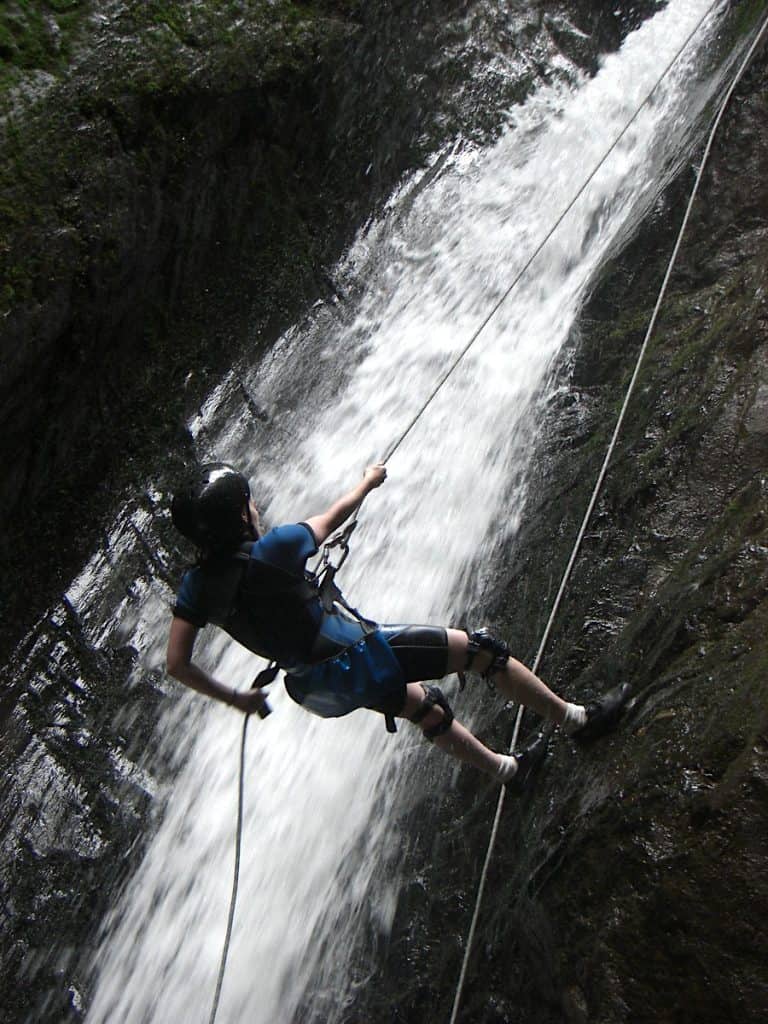
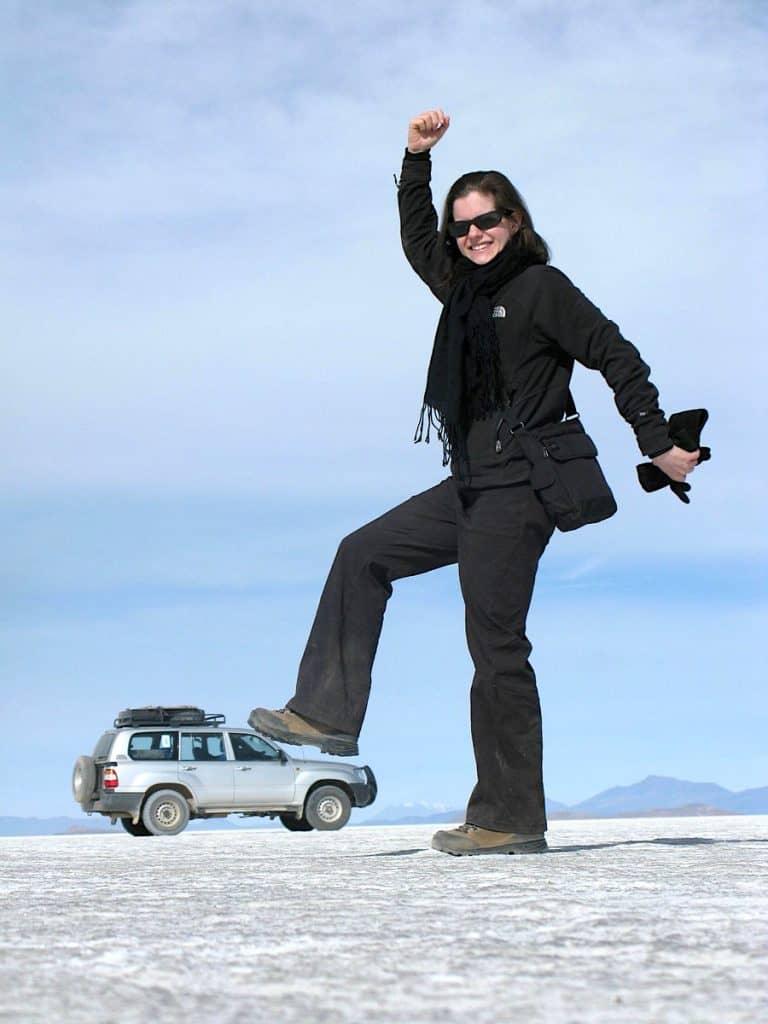
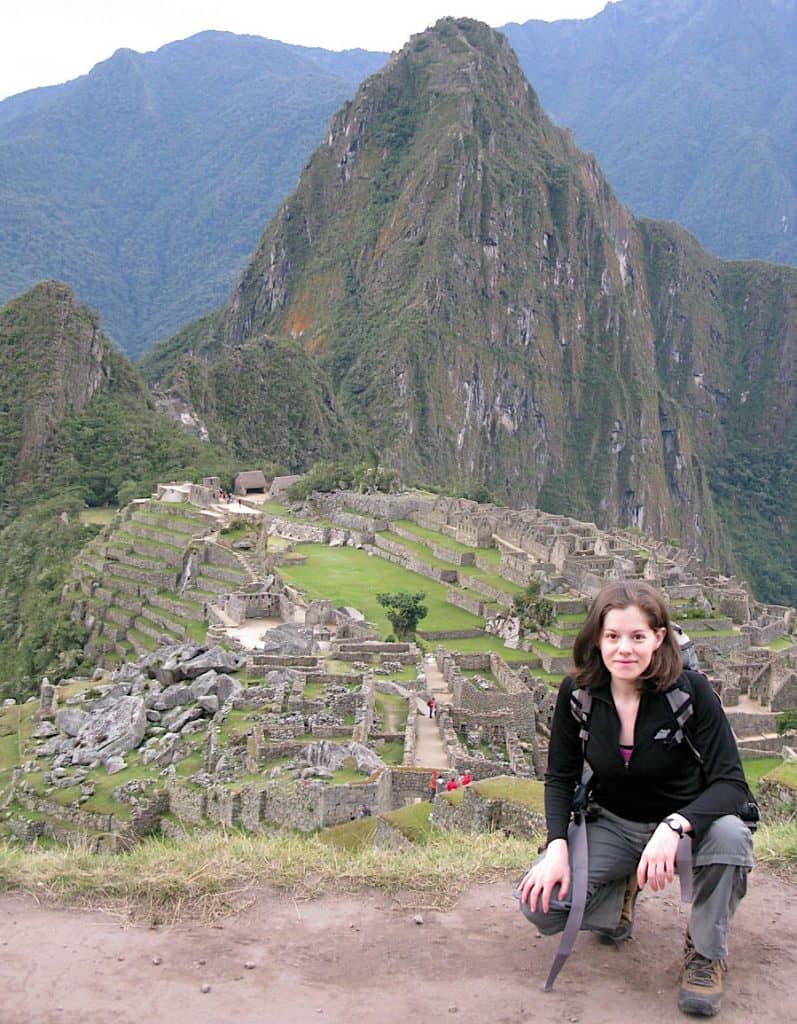
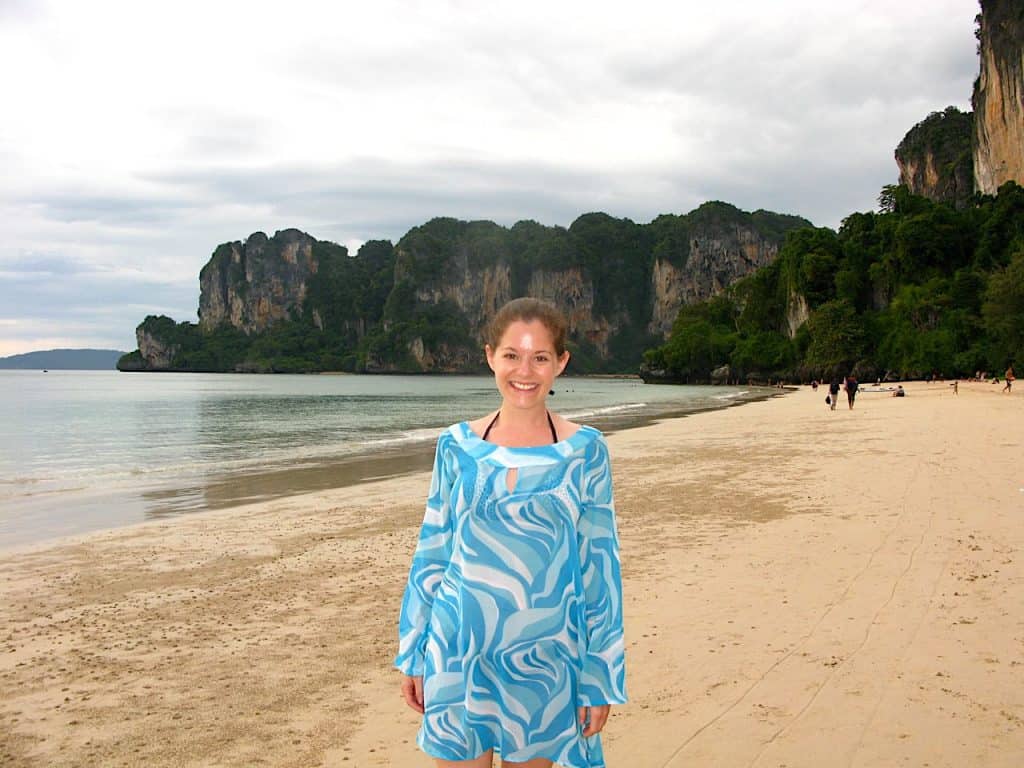
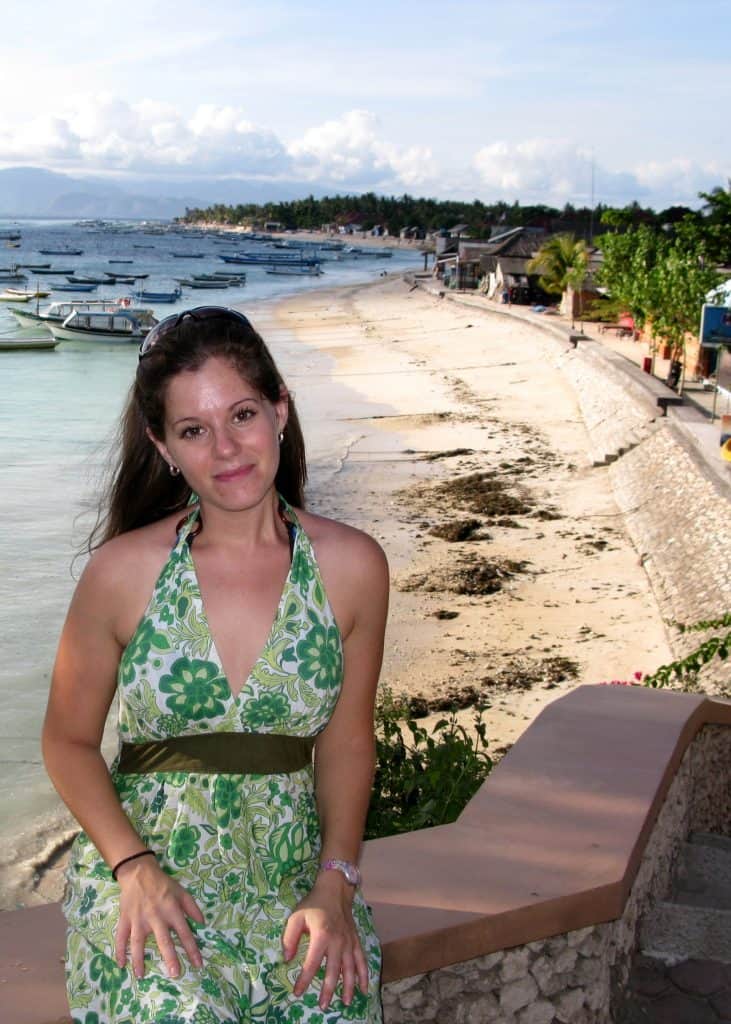

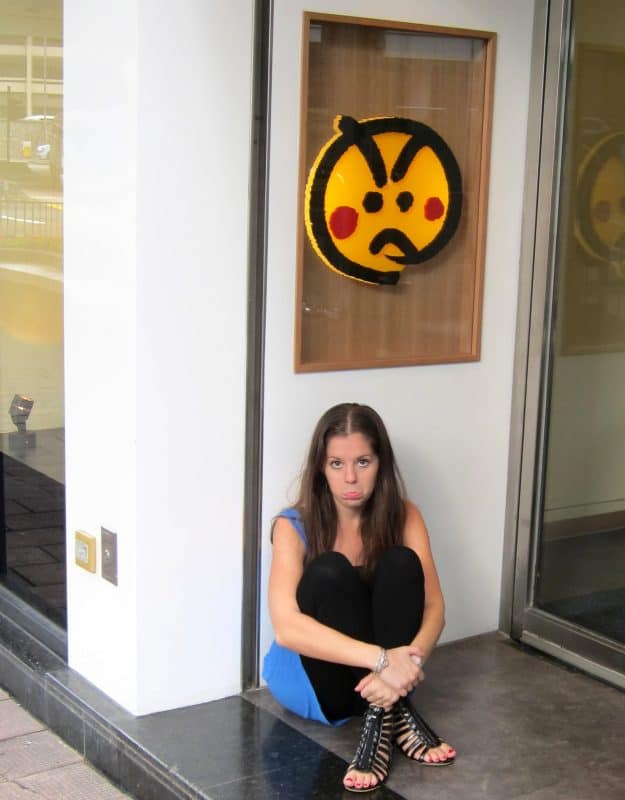
There were even folders of pictures from my first very time living alone and abroad, in France in 2001-2002:
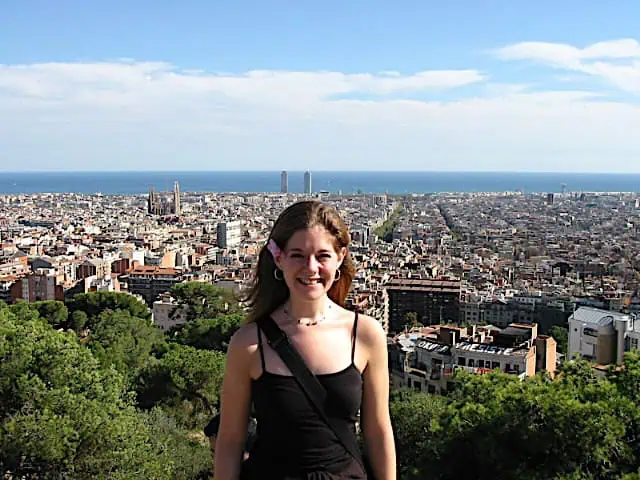
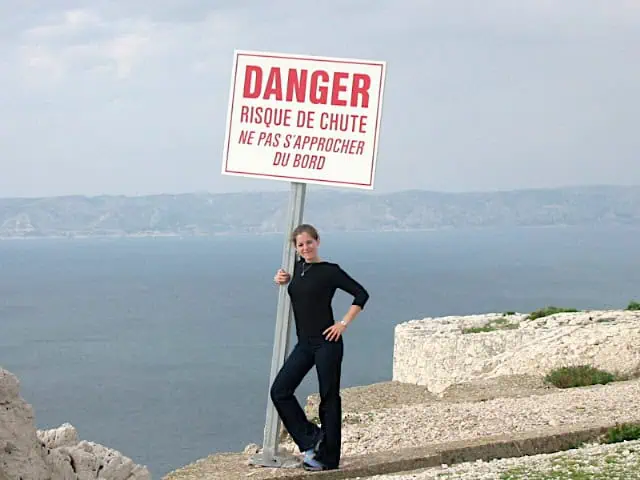
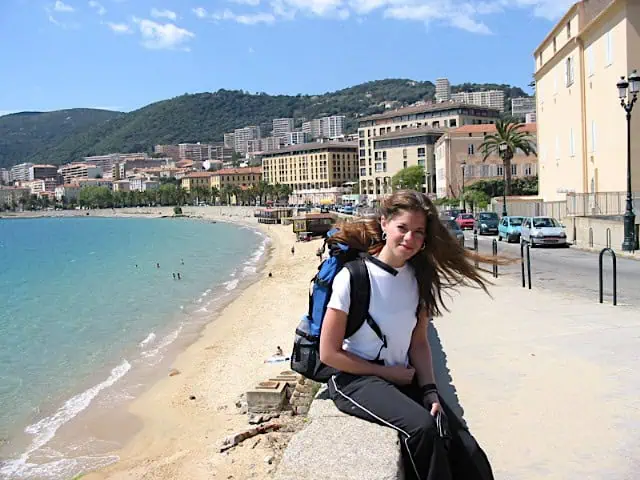

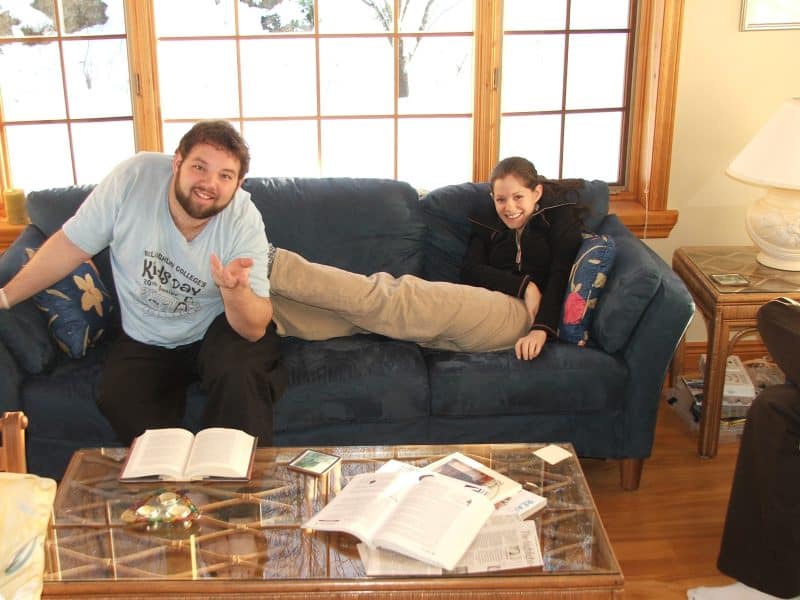
Among the photos was a family folder, of family trips and candids that pre-dated my travels. I thought I’d lost those forever. Pictures of my brother and I being our usual selves:
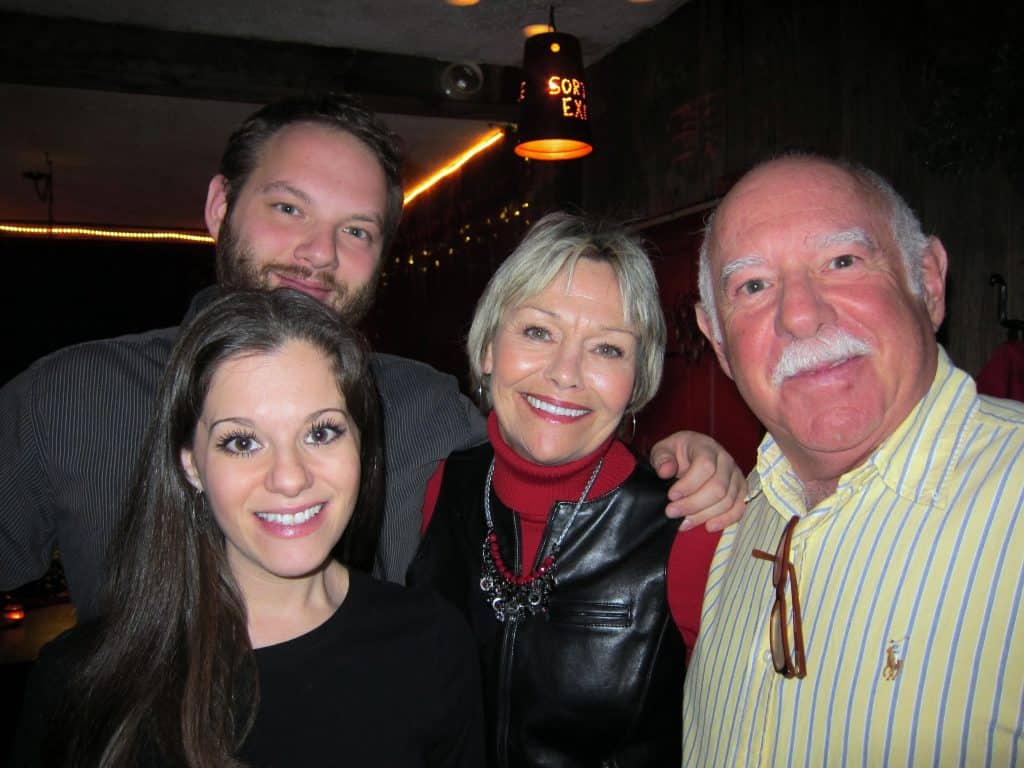
Pictures of my stepmom, who passed away in April. I’m particularly grateful to get these back:
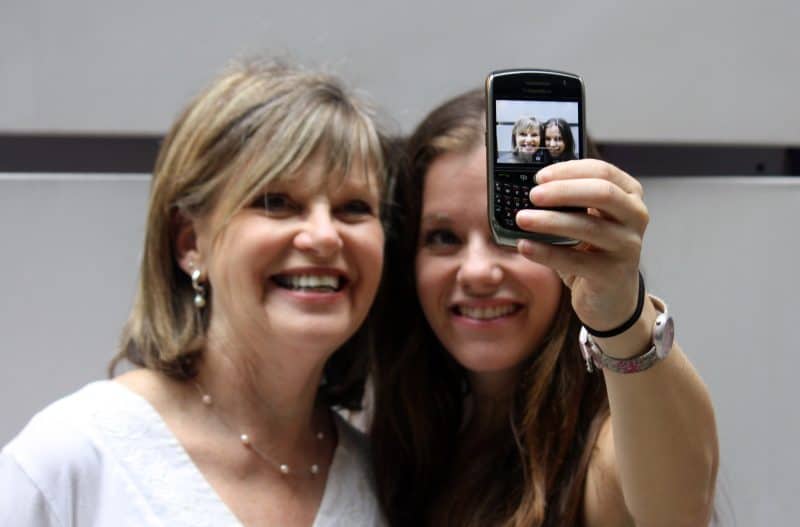
Pictures of my mum and me that I thought I’d lost:
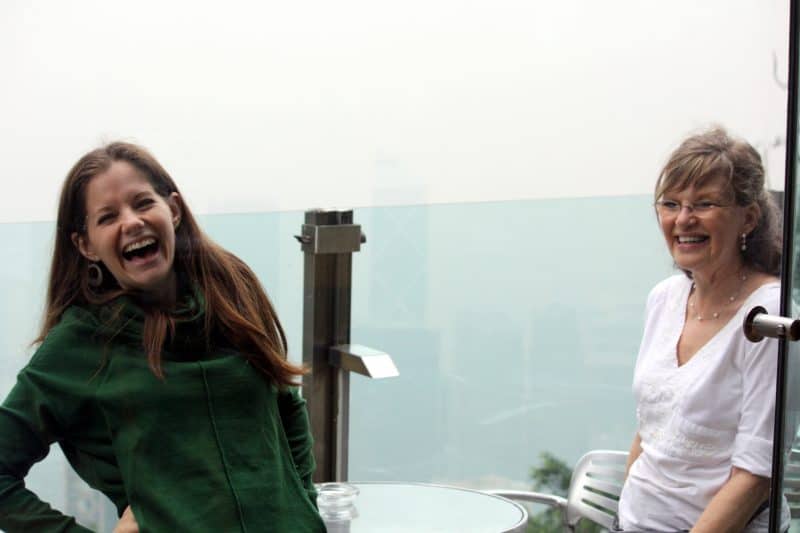
Including from a 2010 trip to Hong Kong:
Turning 47 with a full heart
This post may seem like it combines two disparate things together, my thoughts on living grief and the astounding serendipity of reuniting me with my memories. To me, they are both intertwined and needed to be shared in one place.
For years following my lumbar puncture in 2017, I could not bear to look at the photos from my travels or read my friends’ blogs or stories about their own life of wandering. When my family took trips, I was happy for them but felt an almost physical pain of losing the life I worked so hard to build. Burrowed deep in my grief was the knowledge that I would never have that life again, and it was too much to hold space for.
I’ve learned over the years that there is no antidote to the profound, compounding grief of continually finding yourself on the outside of the life you thought you’d have. All you can do, all any of us can do, is to put our focus on the bright spots that we can eke out of the existence we’ve been given.
This gift from Ariel, while still delivering a lot of nostalgia, was nonetheless a lesson in the goodness of humanity and the true magic of serendipity. It took a very sad month and made it glow. Not only that he found me, but that he did so at exactly the time I needed it most. I’m still astounded that I got back these precious memories.
It was also the first time in a long time that I let myself sit and take stock of those ten decadent years of travel and food that resulted from my planned sabbatical. In doing so I felt a shift that was new. I can now look at these photos above and read my old posts and feel a sense of wonder. Before digital nomads were a thing, before travel blogging was an industry, a friend and I quit our lucrative jobs and set out to travel the world for a year. She went back to the law as planned, and I fell in love with travel and food and writing.
And you all helped me turn that into a whole new life of adventure.
Tomorrow, I turn 47.
Though August remains a tough month, alongside the grief there is still that joy, and now awe.
Yes, I likely will spend my 40s in bed. Yes, medicine has yet to evolve in ways that can safely seal my spinal CSF leak. Yes, living grief still wallops. It’s something I wanted to write about for a long time, but it took losing my stepmom this year to provide the extra perspective I needed in order to share my thoughts with you.
In my presentations about building community, I used to give travel bloggers a specific warning: the bigger the gap between who they are in reality and who they write themselves to be on their websites, the more existential unease they would feel. Though I’m no longer traveling, and barely blogging, I always feel more like me when I write. And it feels good to have put all this out into the ether after it percolated for so long.
I feel the support of my wonderful Legal Nomads community (thank you!) and my loved ones, even though you all came here initially for very different writing materials than I’m currently sharing. Legal Nomads is almost 20 years old, and I feel as though I’ve lived a few lifetimes in that time.
Tomorrow, the plans are to spend the morning with my brother and his wife and my two adorable nieces, and then go see my dad at his nursing facility.
For my new birthday tradition during the past leaky years, a far less healthy one than the mountains of my past, my friend Mike and I will go for poutine in a few days. A fellow celiac here in Ottawa, he’s always up for an adventure.
Thank you for still being here, for reading, and for your excitement last year when I said that something so magical happened that I had to write about it, because a social media post wouldn’t do. It took me a long while to get there, but I hope it was worth the wait.
Much love,