


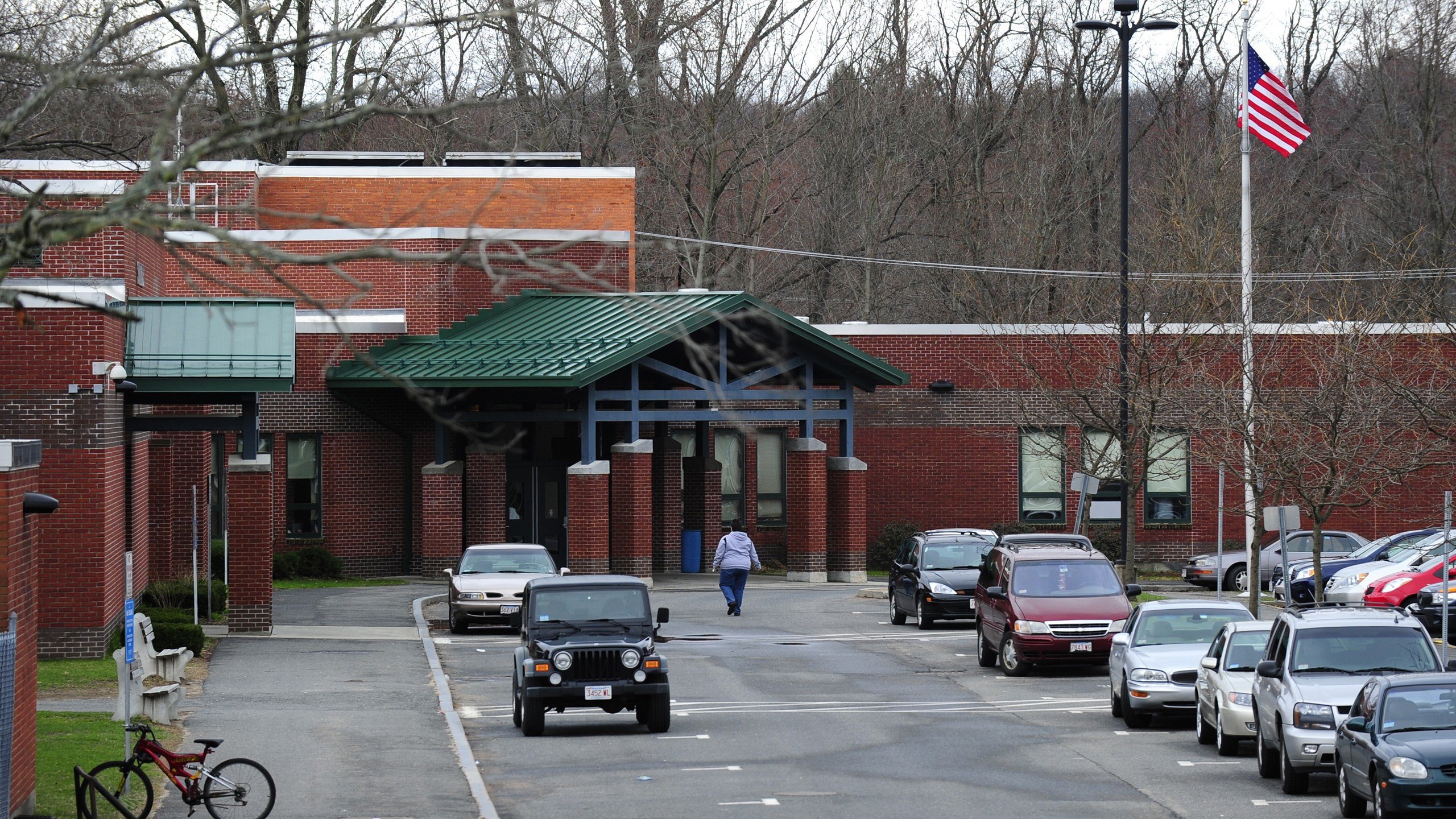
Voters in South Hadley, MA, are heading to the polls today to weigh a 50% increase to their property taxes.
Facing a $3 million budget deficit that threatens to grow in the coming years, the town of roughly 18,000 residents must choose between a $9 million tax override, an $11 million override, or no intervention at all.
The stakes are high in either direction. If the ballot measures fail, local officials warn of deep cuts targeting school programming, police, and public works.
If they pass, the median homeowner’s tax bill could surge from $5,640 to $8,477 over five years—an increase of 50% and a financial burden many residents say they simply cannot shoulder.
South Hadley’s budget woes
This battle mirrors the fiscal challenges faced by municipalities across the country. In South Hadley, an unanticipated spike in health insurance costs just weeks into fiscal year 2026 served as a canary in the coal mine, signaling that the town’s current budget could not keep pace with growing expenses.
This initial shock prompted the formation of a Budget Task Force to identify the root causes of the crisis and recommend new revenue streams. In addition to the $2.4 million health insurance shortfall, the task force uncovered a $1.7 million deficit in school funding, alongside a $400,000 gap needed just to maintain current town services, according to a recent budget presentation.
These deficits coincide with a steady decline in net state aid and recent surges in inflation. Together, they have squeezed the budget from both ends—shrinking revenue while driving up costs.
In light of these challenges, the task force recommended a “yes” vote on the Proposition 2 ½ override. The Select Board voted to present voters with two override questions today: one for $9 million and another for $11 million. If both pass, the town will adopt the $11 million option.
Addressing revenue shortfalls is a unique challenge for Massachusetts towns. State law largely caps annual property tax revenue increases at 2.5%. Therefore, if a town needs to collect additional revenue, the decision must be put directly to voters.
Both proposed overrides would permanently raise the town’s property tax revenue limit, which currently sits at $35 million.
Passing the $11 million option would mean an estimated $1,764 tax increase over five years for the median homeowner, according to the ballot measure. If the $9 million option passes, it would result in a $1,443 increase.
However, neither of those estimates accounts for the automatic 2.5% annual increase the town can legally adopt, nor do they factor in changes to tax assessments, which generally rise alongside property values.
‘Stealing signs won’t change minds, just your criminal record’
It’s a tough pill for homeowners to swallow, especially against the backdrop of a property tax revolt sweeping the nation.
Some states, such as Florida, are seriously considering putting measures on the ballot this November to eliminate part or all of their homestead property taxes, while others are actively seeking ways to roll back these levies.
That broader movement, coupled with the growing economic pain facing households today, has drummed up significant local pushback against the measure.
“This is all falling on the backs of our most innocent,” Carlene Hamlin, a retired South Hadley town clerk, told the Daily Hampshire Gazette in late March.
“Our seniors, our library, our school community, which is frightened. I have neighbors that have looked at me and said please help me solve this problem instead of this continuous conversation for ‘it’s this or nothing,’” she added.
Hamlin is part of a small group of local residents who organized in response to the measure. The group, Alliance for Fair Taxes, supports a “no” vote and contends that the education around the proposal—and what it would truly mean for residents—has been lacking.
Supporters of the override have been just as vocal.
Save South Hadley is urging a “yes” vote in order to prevent deep cuts to essential local services.
“I’ve seen firsthand how tight budgets impact our schools and town services,” reads a testimonial from Tracy K on the group’s Instagram. “For me, this is about being proactive and ensuring we don’t fall behind or face deeper cuts down the road. Supporting the override is one way to preserve the quality of life and ensure South Hadley is a place families and businesses want to stay.”
The debate has grown so heated that campaign yard signs have become targets. So many pro- and anti-override signs have gone missing that the local police department posted a PSA to its Facebook page warning: “Stealing signs won’t change minds, just your criminal record.”
If the override doesn’t pass, those police officers will feel the impact directly. According to the budget presentation, a failed override would force the police department to cut two officers and a school resource officer, and shift from a local dispatch system to a regional one.